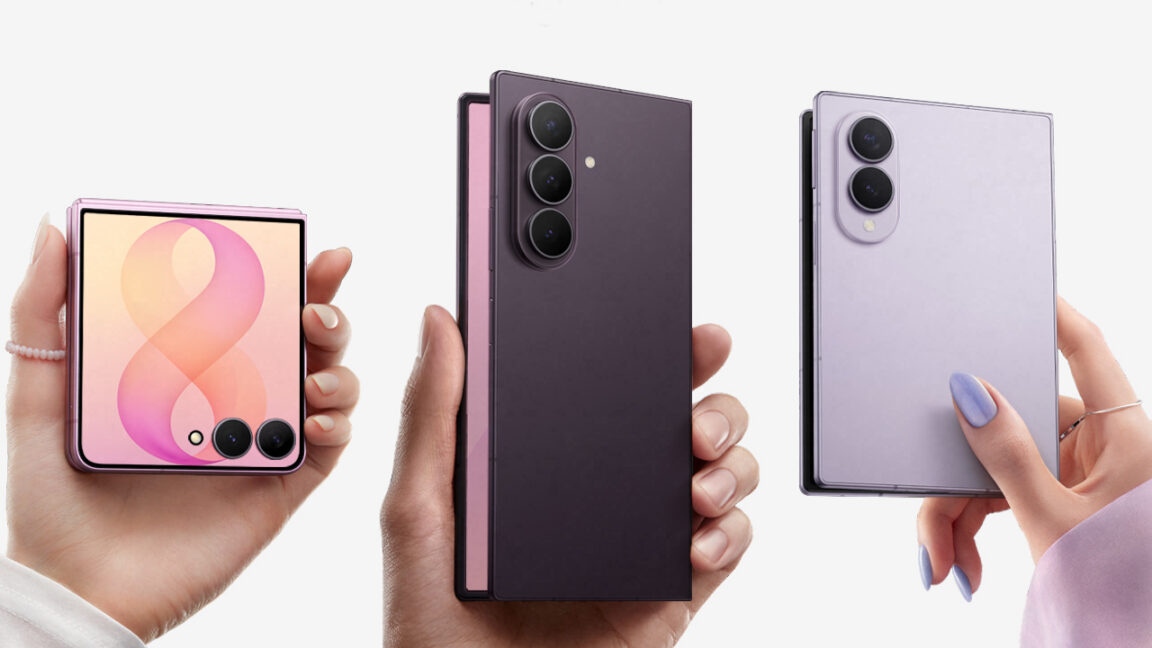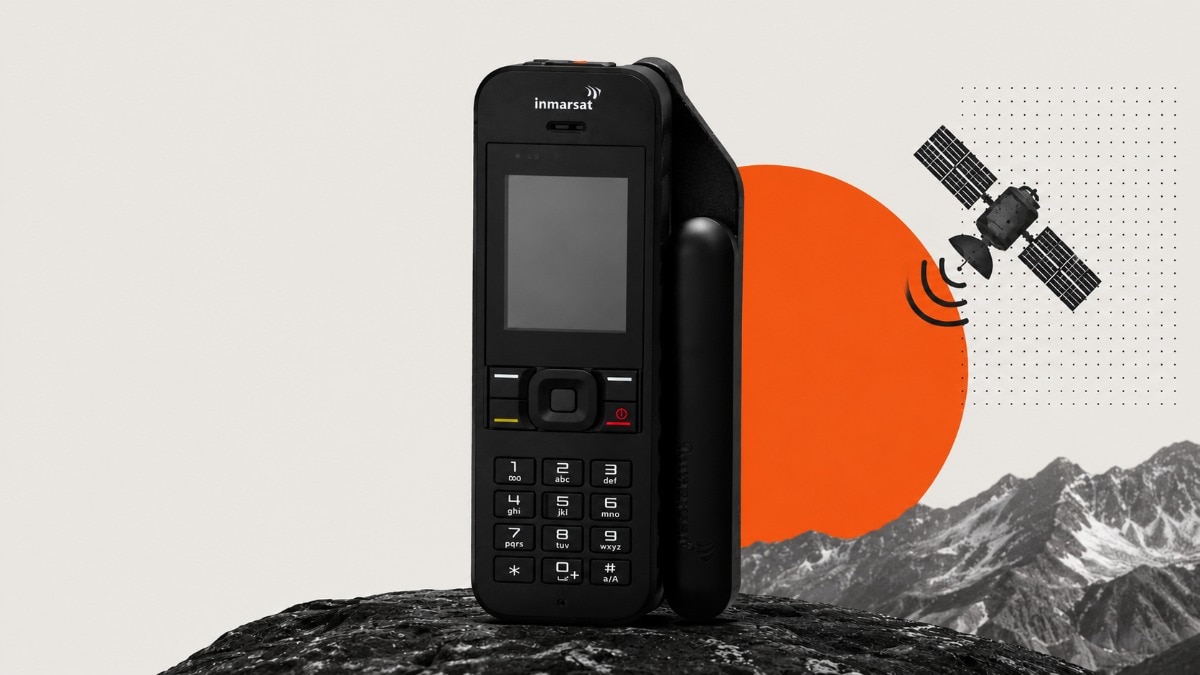
BSNL has introduced a satellite phone in India at ₹1.34 lakh, a price higher than the iPhone 17 Pro. The device targets professionals operating where mobile networks are absent, not Apple’s flagship market. It offers continuous satellite communication, not just emergency backup.
Key Takeaways
- BSNL’s satellite phone costs more than the iPhone 17 Pro but serves a different market.
- The device connects directly to global satellites, requiring expensive hardware and higher service fees.
- Purchasing requires explicit approval from India’s Department of Telecommunications.
On July 10, 2026, BSNL officially rolled out a satellite handset under its Global Satellite Phone Service (GSPS), priced at ₹1,34,166. While the figure surpasses Apple’s latest iPhone 17 Pro, the phone is not meant to compete with premium smartphones. Instead, it is engineered for defence forces, maritime crews, disaster‑response teams, mining operations, remote industrial sites, pilgrims and adventure travellers—any scenario where conventional cellular coverage is unavailable or compromised.
Technical Architecture
The handset bypasses terrestrial towers entirely, linking straight to satellites operated by providers such as Inmarsat. This architecture demands a dedicated antenna, high‑grade RF modules and a rugged chassis capable of withstanding harsh environments. Each of these components is significantly costlier than the integrated chips found in typical smartphones, and the limited production run of satellite phones further inflates unit costs.
Target Users and Use‑Cases
BSNL markets the device as a reliable communication tool for professionals operating off‑grid. In remote mountain regions, oil‑field camps, or during maritime emergencies, the ability to place voice calls and send SMS via satellite can be a matter of safety. An SOS button, long battery life and a durable exterior make it suitable for prolonged field deployments.
Why the Price Is High
Beyond the handset price, users must subscribe to satellite communication plans, which are considerably pricier than ordinary mobile tariffs. According to a 2026 government notification, commercial plans start at ₹5,835 per month, while government entities pay a minimum of ₹3,500. These plans include a modest amount of free talk time; additional minutes and messages are billed at premium rates.
Comparison with Apple’s Satellite Feature
Apple’s “Emergency SOS via satellite” is a limited‑functionality add‑on designed solely for distress situations, allowing users to send short texts and their location when no cellular or Wi‑Fi signal is present. By contrast, BSNL’s satellite phone offers full‑time voice calling and SMS capabilities, functioning as a standalone communication device rather than an occasional safety net.
Regulatory Landscape
In India, satellite phones are tightly regulated. Prospective buyers must obtain explicit permission from the Department of Telecommunications (DoT); operating a satellite handset without authorization can trigger legal action. This regulatory hurdle ensures that the technology is used responsibly and aligns with national security considerations.
Overall, while the price tag may appear steep, the BSNL satellite phone represents a strategic investment in resilient communications for critical sectors—a necessity that transcends consumer‑grade pricing metrics.