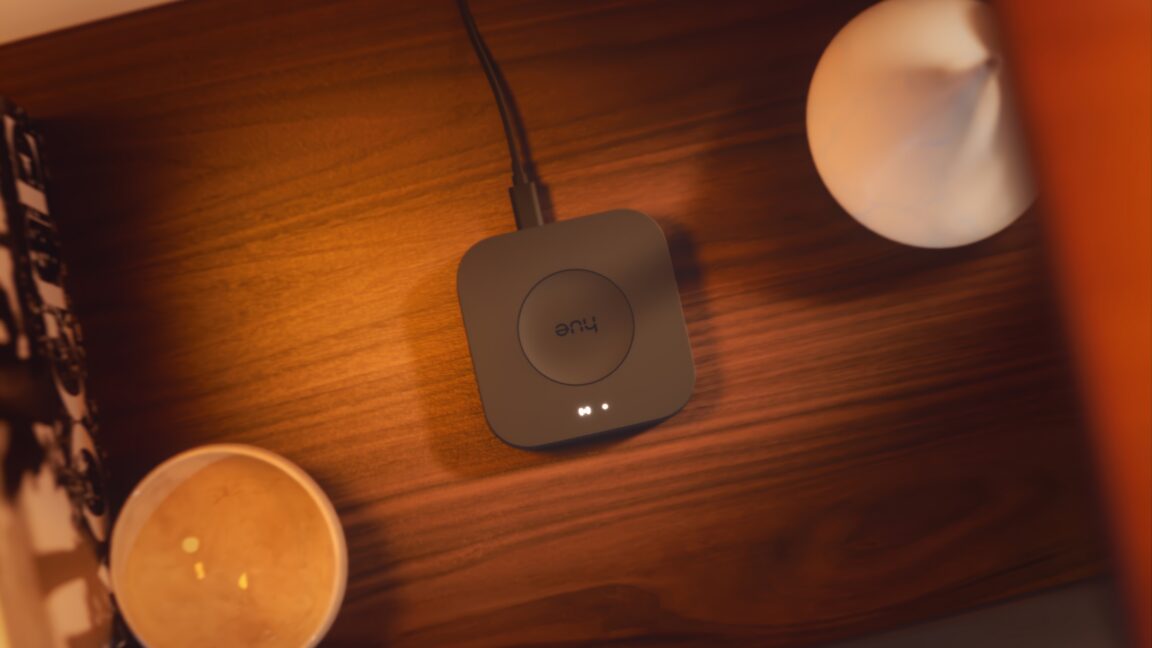
A recent firmware rollout for Philips Hue Bridge Pro smart hubs has rendered many units inoperable, prompting the company to offer free replacements. Users will need to re‑configure their lighting setups from scratch.
Key Takeaways
- Philips Hue Bridge Pro devices stopped working after a firmware update.
- Customers must rebuild all light configurations.
- Philips is providing free replacements for affected units.
In early June, Philips released firmware version 2071353020 for its Hue Bridge Pro, touting “several small changes” aimed at improving stability and cloud connectivity. Within days, a wave of complaints surfaced indicating that the update had effectively “bricked” the hub, leaving a persistent red LED and no response to the Hue app.
Technical Details of the Faulty Update
Firmware updates are intended to patch bugs, enhance security, and refine performance. The problematic build allegedly modified the Wi‑Fi radio firmware and altered the device’s boot sequence. For a subset of units, these changes prevented the bridge from completing its startup routine, rendering the entire smart‑lighting ecosystem unusable.
User Outcry and Social Media Amplification
Reddit’s r/Hue community quickly became a hub for affected owners. User statelymachine posted that the update “bricked” his Bridge Pro, a sentiment echoed by dozens of others. The red LED indicator became a visual hallmark of the issue, and users were forced to reset every scene, automation, and group configuration they had painstakingly built.
Philips’ Response and Remediation Plan
Facing mounting pressure, Philips confirmed the problem and announced a free‑replacement program. A dedicated support portal now accepts serial numbers and proof‑of‑purchase to dispatch a new Bridge Pro at no cost. The company also pledged to tighten its internal QA procedures to avoid similar mishaps.
Broader Implications for the IoT Landscape
This incident underscores the fragility of consumer‑grade IoT devices when a single firmware push goes awry. With millions of homes relying on interconnected gadgets, manufacturers must adopt robust rollback mechanisms and transparent changelogs. Security researchers warn that insufficient testing can open doors to larger vulnerabilities, especially in devices that serve as network gateways.
While Philips’ replacement offer mitigates immediate consumer pain, the episode will likely linger in the public consciousness, influencing buying decisions and prompting regulators to scrutinize firmware‑update practices more closely.