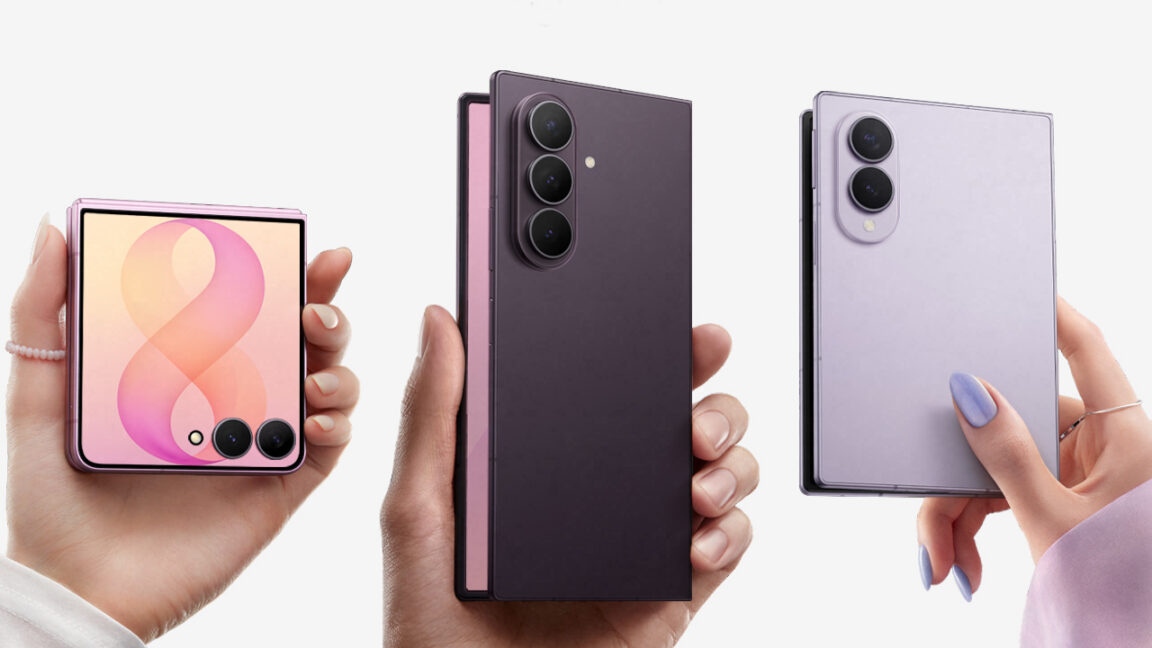
Samsung announced its latest foldable flagship, the Galaxy Z Fold 8, alongside a refreshed Galaxy Watch at the Galaxy Unpacked event. The new devices boast upgraded processors, longer battery life, and advanced health‑tracking features, signalling a strong push in premium mobile innovation.
Key Takeaways
- Galaxy Z Fold 8 features a 7.6‑inch Dynamic AMOLED 2X display with reinforced hinge.
- New Galaxy Watch runs on a 5 nm processor with enhanced health monitoring.
- Foldable smartphone pricing stabilises while offering higher‑end specifications.
At the Galaxy Unpacked event on October 23, Samsung rolled out the Galaxy Z Fold 8 and the latest iteration of its Galaxy Watch. The company highlighted that the Z Fold 8 brings “professional‑grade” upgrades, including a faster chipset, improved battery endurance, and a more durable hinge mechanism. The refreshed Galaxy Watch is equipped with a 5 nm processor, advanced sports modes, and comprehensive health‑tracking capabilities.
The Z Fold 8 is powered by the Snapdragon 8 Gen 3 (or Exynos 2300, region‑dependent), delivering roughly 15 % faster performance than the previous Snapdragon 8 Gen 2. Its 120 Hz refresh‑rate Dynamic AMOLED 2X screen ensures smoother multitasking and gaming experiences. A 4,400 mAh battery powers both the inner and cover displays, offering all‑day usage without compromising on performance.
The new Galaxy Watch comes with a 5 nm chipset, a 1,000 mAh battery, and 24‑hour continuous heart‑rate monitoring. Integrated with Wear OS 4, the watch expands its app ecosystem and deepens Google Assistant functionality. A novel “slip‑free” fitness mode lets users track workouts without interruption.
Historical Background
Samsung entered the foldable market in 2019 with the original Galaxy Fold, a device that faced early production challenges but sparked industry interest. The subsequent Galaxy Z Flip and Z Fold 2 in 2020 refined the hinge design for greater durability. Models like the Z Fold 3 and Z Fold 4 (2022‑2023) emphasized software integration for seamless multitasking. The Z Fold 8 now consolidates these lessons, delivering the highest performance tier yet.
Comparison Table
| Feature | Galaxy Z Fold 7 | Galaxy Z Fold 8 |
|---|---|---|
| Processor | Snapdragon 8 Gen 2 | Snapdragon 8 Gen 3 |
| Battery | 4,400 mAh | 4,400 mAh (optimized power management) |
| Display Refresh Rate | 120 Hz | 120 Hz (enhanced) |
| Hinge Durability | 10 million folds | 12 million folds |
Why This Matters
According to BozokMedia analysis, the global foldable smartphone market is projected to grow at a 20 % CAGR through 2025, and Samsung’s latest model positions the company to capture a larger share of productivity‑focused consumers. This shift enables freelancers and small businesses to access laptop‑level functionality without a separate device, reducing capital expenditure.
Furthermore, the upgraded health‑tracking features of the Galaxy Watch empower users with more accurate daily metrics, contributing to broader public‑health awareness and data‑driven wellness initiatives. The ripple effect extends beyond personal convenience to influence healthcare analytics and preventive care strategies.
"The next phase of foldable technology is moving from novelty to genuine productivity tools," says tech analyst Ajay Sharma.
Frequently Asked Questions
Q1: How does the price of the Galaxy Z Fold 8 compare to its predecessor?
A: In India, the base model starts at roughly ₹1,79,999, similar to the Z Fold 7, though higher‑spec variants see a modest price increase.
Q2: What new health features does the latest Galaxy Watch offer?
A: It adds 24‑hour continuous heart‑rate monitoring, an SpO₂ sensor, and improved sleep tracking, all tightly integrated with Google Fit.