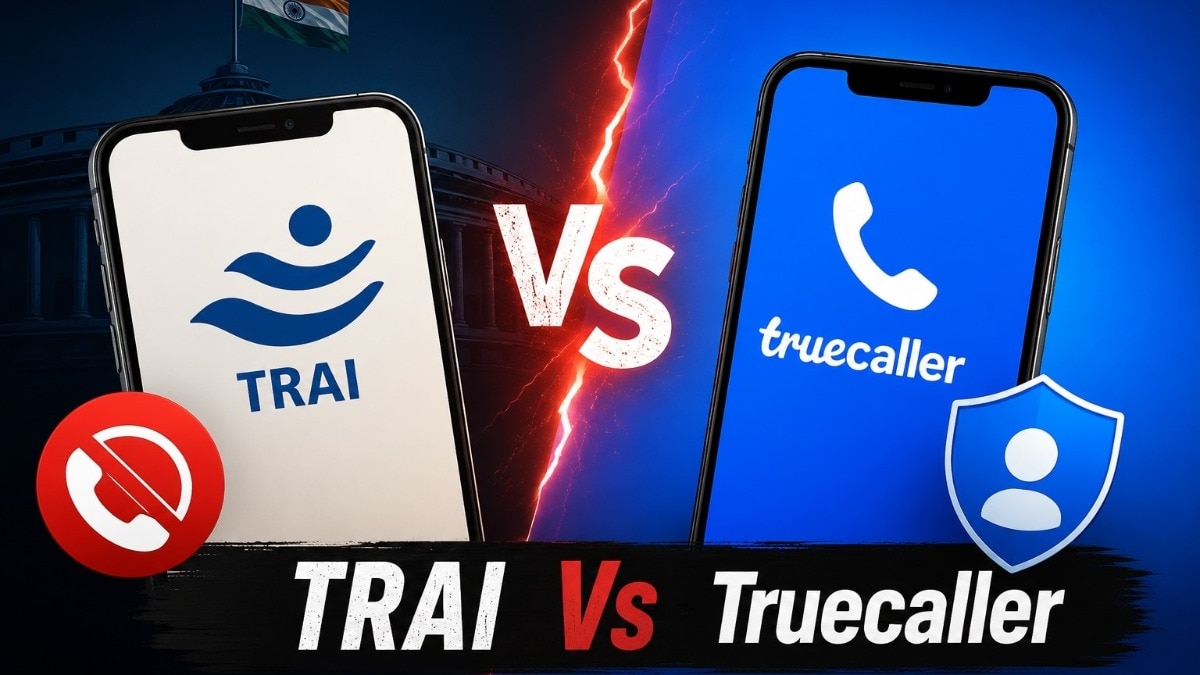
TRAI clarified that calls from the 1600 and 140 series cannot be tagged or blocked as spam, aiming to protect trusted banking communications. The regulator also seeks MeitY’s permission to bring call‑management apps such as Truecaller under stricter oversight.
Key Takeaways
- TRAI bars apps from tagging 1600 and 140 series calls as spam
- Goal is to restore trust in banking and service‑related calls
- TRAI seeks MeitY approval to regulate call‑management apps like Truecaller
TRAI has prohibited the tagging of 1600 and 140 series numbers as spam. The clarification comes after media reports suggested that Truecaller and similar apps were automatically blocking these calls. The regulator emphasized that these numbers are reserved for essential service communications, and blocking them could erode consumer confidence.
Purpose of the 1600 and 140 Series
According to TRAI, the 1600 series is earmarked for critical service and transaction‑related calls. Only entities regulated by RBI, SEBI, IRDAI or PFRDA—such as banks, financial institutions and insurers—may use these numbers to reach existing customers. Government departments may also employ the series for citizen outreach. The intent is to make genuine service calls instantly recognizable, thereby reducing phishing and fraud.
The 140 series is designed for promotional communications across all sectors. Businesses must register these numbers with telecom operators and comply with TRAI’s commercial communication rules. Users can opt‑in or opt‑out of such promotional calls through the Do Not Disturb (DND) framework, but TRAI insists that apps should not independently tag or filter these calls, as that could mislead users who have expressly chosen to receive them.
Regulatory Proposal and Request for MeitY’s Permission
TRAI has introduced the Draft Telecom Commercial Communication Preference (Third Amendment) Regulations, 2026, which would prevent call‑management applications from treating 1600 and 140 series calls differently—no tagging, blocking, or filtering. To enforce these provisions, TRAI is seeking authorisation from the Ministry of Electronics and Information Technology (MeitY), aiming to bring apps like Truecaller, CallApp and others under a statutory framework.
Truecaller’s Pushback and User Behaviour Insights
Truecaller CEO Rishit Jhunjhunwala sharply criticised the proposal, arguing it would diminish transparency for end‑users. He cited internal data showing that over the past eight months, 81% of 140‑series calls and 79% of 1600‑series calls are ignored by users, reflecting a loss of trust. Truecaller has introduced a “Frequently Blocked” badge for numbers that many users block, but it deliberately avoids labeling 1600‑series calls as spam.
Jhunjhunwala warned, “We protect millions of Indians daily, especially the elderly, by providing a trusted communication experience. Penalising us while allowing bad actors a free playground is unacceptable.” He added that users manually block roughly 4 lakh calls from the 140 series and 1.25 lakh calls from the 1600 series each day.
Implications and Future Outlook
If MeitY grants TRAI the requested powers, call‑management apps will have to comply with stricter guidelines, potentially curbing the volume of spam calls and rebuilding consumer trust. However, overly rigid regulation could stifle innovation and limit the utility of third‑party caller‑ID services that many Indians rely on.
The ongoing dispute therefore serves as a bellwether for how India balances digital transparency, data‑security, and consumer protection against the need for a vibrant tech ecosystem.