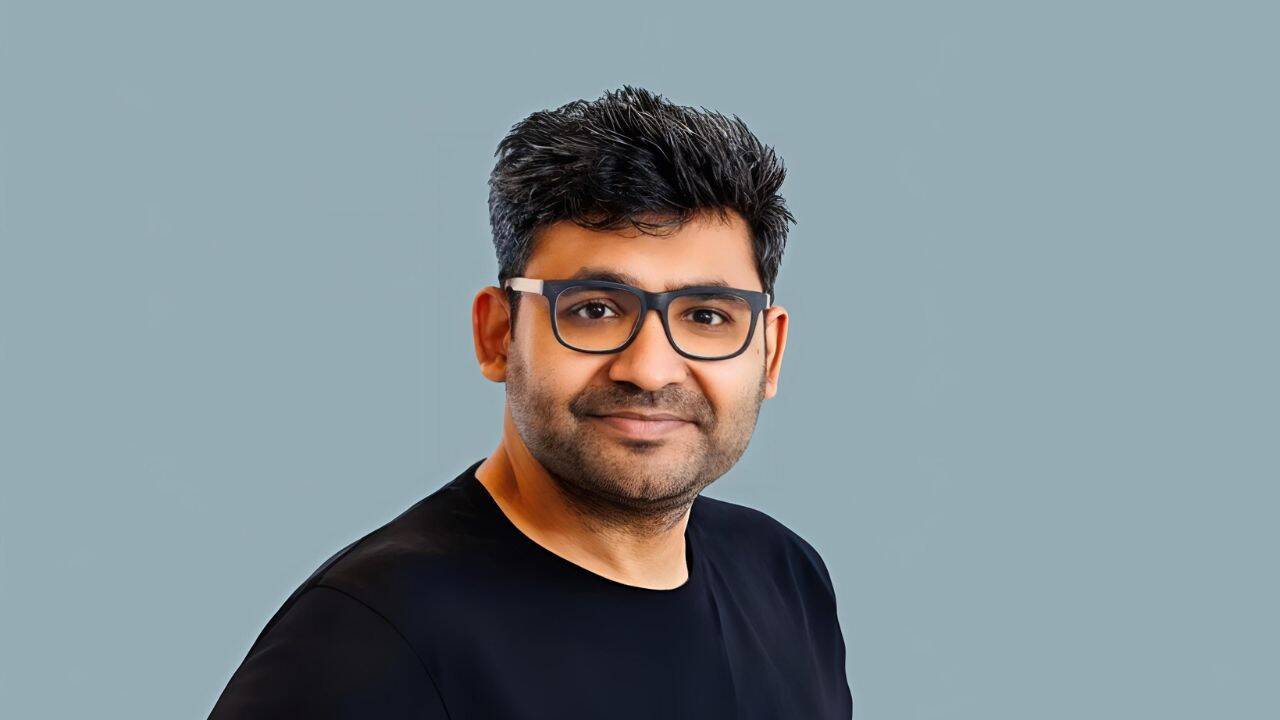
Former Twitter CEO Parag Agarwal has launched AI venture Parallel Web Systems, which has surged to a $2 billion valuation within two years. The startup focuses on building scalable infrastructure for heavy artificial‑intelligence workloads.
Key Takeaways
- Parag Agarwal founded AI startup Parallel Web Systems
- The company is now valued at $2 billion
- Focus is on AI workload infrastructure
Parag Agarwal, who joined Twitter in 2011 and later served as its Chief Technology Officer, is now reshaping the global AI infrastructure landscape. A graduate of IIT Bombay and Stanford University, his academic pedigree underscores a deep technical foundation that fuels his entrepreneurial drive.
From an Unplanned Exit at Twitter to a New Frontier
Amid Elon Musk’s sweeping changes at Twitter, Agarwal was abruptly removed from the platform’s leadership. Rather than retreat, he leveraged the disruption to pivot into the burgeoning artificial‑intelligence sector, applying his expertise to a market hungry for robust, cost‑effective compute resources.
Birth of Parallel Web Systems
Founded in 2022, Parallel Web Systems aims to deliver cloud‑native, scalable infrastructure tailored for training and deploying large‑scale AI models, especially large language models (LLMs) and data‑intensive workloads. The firm has forged strategic alliances with leading cloud providers, offering customers low‑latency, secure, and high‑throughput compute environments.
Financial Upswing and Future Outlook
In its 2023 funding round, Parallel Web Systems secured $500 million from prominent venture capital firms, pushing its post‑money valuation to $2 billion. Investors cite the accelerating demand for AI infrastructure—particularly in emerging markets like India—as justification for the lofty valuation. Looking ahead, the company plans to democratize AI access for small and medium‑size enterprises (SMEs), potentially energizing India’s digital economy.
Agarwal’s Strategic Vision
Agarwal frequently emphasizes that the future of AI lies not just in algorithms but in the underlying compute fabric that powers them. He argues that India’s massive talent pool and rapidly evolving tech ecosystem position the nation to become a global hub for AI‑centric infrastructure.