Google is aggressively marketing its Tensor Processing Units (TPUs) to neocloud startups, prompting a strategic response from Nvidia to protect its market monopoly.
Key Takeaways
- Google is targeting 'neoclouds'—AI computing startups—with its proprietary Tensor Processing Units (TPUs).
- Nvidia's partner, Nscale, became a focal point after engaging in talks with Google.
- Nvidia reportedly attempted to offer financial incentives to Nscale to discourage them from adopting Google's hardware.
- The conflict signals an intensifying battle for control over the global AI infrastructure market.
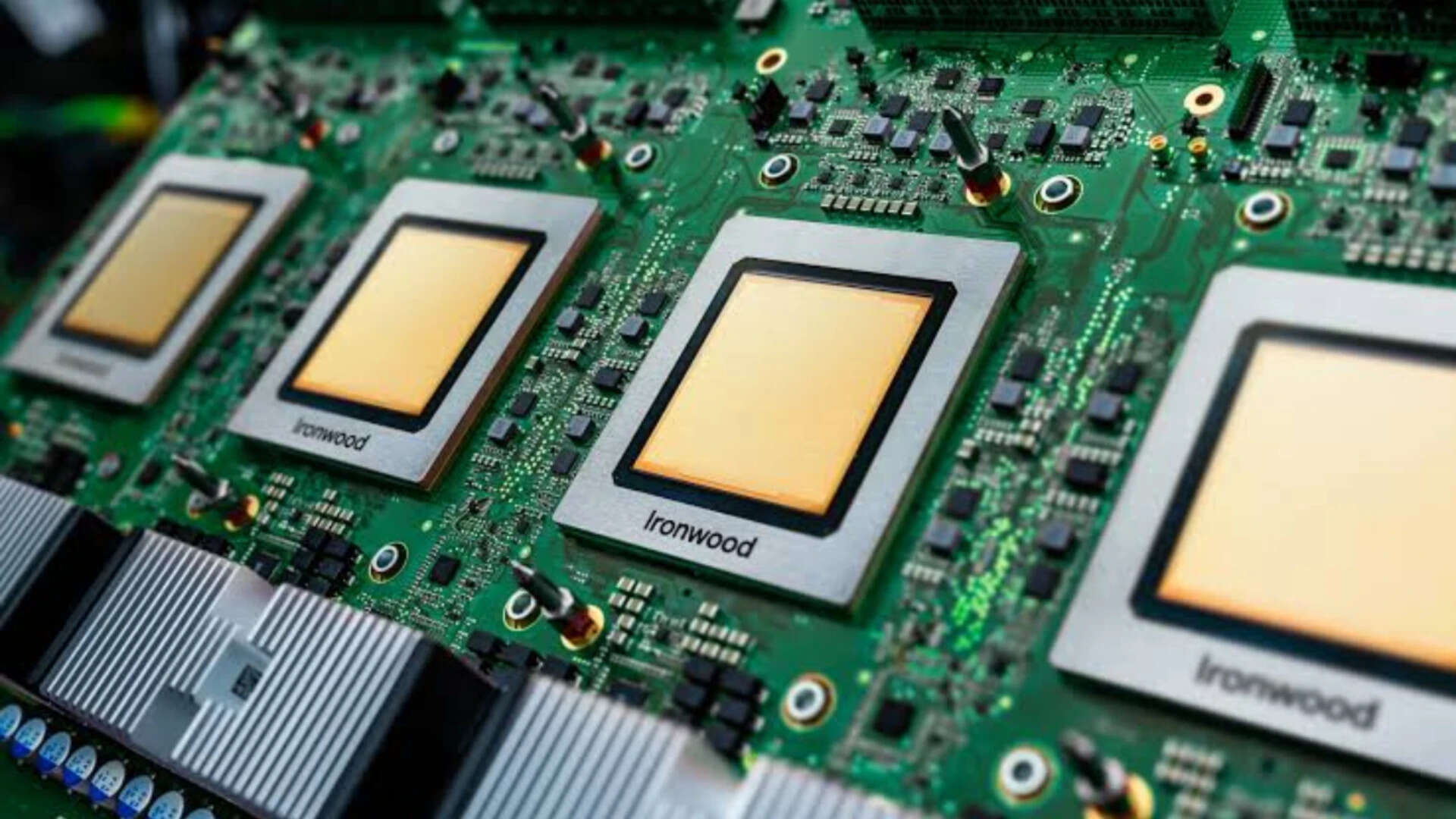
The landscape of Artificial Intelligence hardware is witnessing a seismic shift as Google moves to directly challenge Nvidia's undisputed hegemony. According to recent reports from The Information, Google has begun pitching its highly specialized Tensor Processing Units (TPUs) to 'neoclouds'—a burgeoning sector of cloud startups that rent out massive AI computing power to developers and enterprises.
The Strategic Move by Google
For years, Nvidia has been the primary provider of the high-end GPUs required to train and run large language models. However, Google's TPUs are custom-built specifically for machine learning workloads, offering a potential cost-effective alternative for startups that want to avoid the 'Nvidia tax.' By targeting neoclouds, Google is attempting to build an ecosystem that bypasses traditional hardware bottlenecks.
Nvidia's Defensive Maneuvers
The tension escalated when Google entered discussions with Nscale, a prominent cloud partner within the Nvidia ecosystem. Sources suggest that upon learning of these negotiations, Nvidia moved to protect its interests by offering financial incentives to Nscale. The goal was reportedly to cool Nscale's interest in diversifying its hardware offerings with Google's TPUs. While Nscale has officially denied receiving any such offers, the implications of such a move highlight the high stakes involved in the AI supply chain.
Industry Implications
This escalating friction between the two tech giants marks a turning point in the AI era. As companies race to build the next generation of intelligence, the control over the underlying silicon becomes the ultimate strategic advantage. If Google succeeds in breaking Nvidia's grip on cloud providers, it could lead to a more fragmented and competitive hardware market, potentially lowering the barrier to entry for AI startups worldwide.