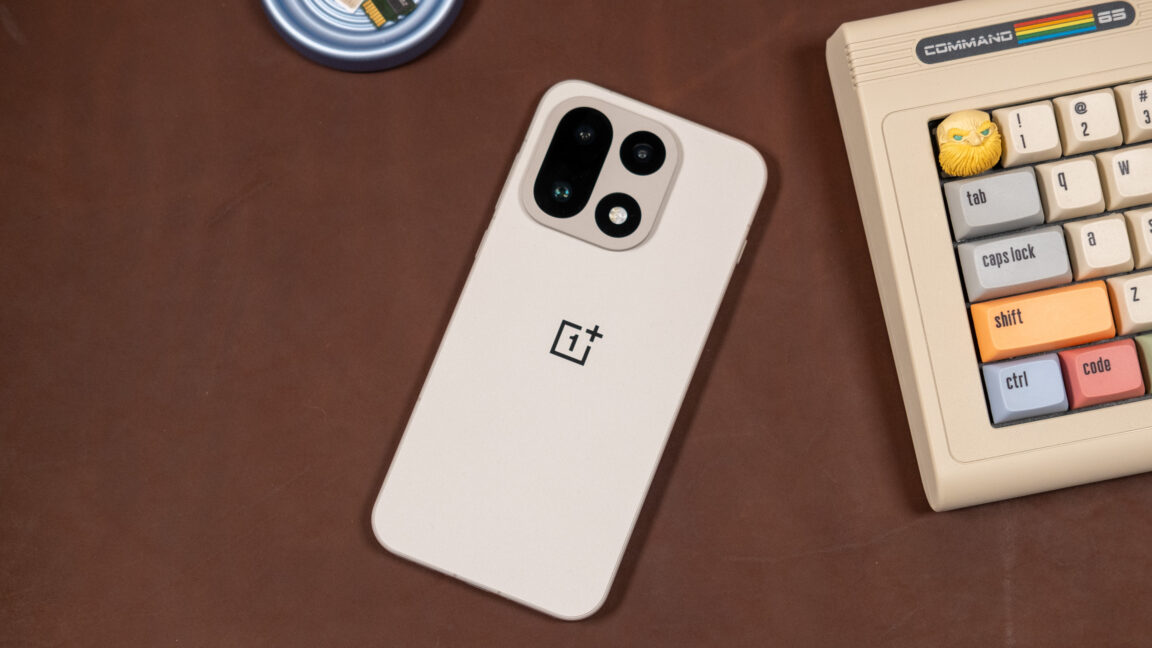
OnePlus has confirmed it will cease launching new phones in the US and Europe, while pledging continued software support for existing devices. The shift signals a deeper focus on the Indian market.
Key Takeaways
- OnePlus will stop new phone rollouts in North America and Europe
- The company is pivoting to India as its core market
- Existing devices will continue receiving software updates
When OnePlus burst onto the scene in 2014 with bold marketing and the promise of a "cheaper, faster" phone, it quickly captured the imagination of tech‑savvy consumers. Its blend of high‑end specifications at a mid‑range price disrupted the status quo, forcing established giants to rethink pricing strategies. Over the ensuing decade, however, the global smartphone landscape has evolved dramatically, and OnePlus has evolved with it.
Market Evolution and Strategic Realignment
Today’s market is saturated with a spectrum ranging from ultra‑premium flagships to budget devices, all backed by massive R&D budgets. After a brief expansion in the United States through carrier partnerships with T‑Mobile and Verizon, OnePlus began shifting its emphasis toward India, a move accelerated by the pandemic‑driven surge in Indian mobile demand. The Indian ecosystem now offers the volume and growth potential that many Western markets lack, making it a logical focal point for the brand.
Oppo’s Growing Influence and Brand Convergence
OnePlus has increasingly come under the operational umbrella of its parent company, Oppo. This relationship has led to tighter alignment of product launch calendars, software ecosystems, and supply‑chain efficiencies. As a result, the once‑distinct OnePlus identity is gradually merging with Oppo’s broader portfolio, while still retaining a premium‑focused image. The last flagship, the OnePlus 15, slated for a late‑2025 release in Europe, will likely be the final OnePlus device many Western consumers will ever see.
Implications for Consumers and the Industry
Ceasing new releases in North America and Europe reduces competition in those regions, potentially slowing price competition and innovation. For Indian consumers, however, the shift promises a richer lineup of high‑spec devices at competitive prices, as the company redirects R&D and marketing spend toward the sub‑continent. Analysts suggest that this concentration could intensify the premium segment in India, prompting rivals like Samsung and Xiaomi to up their game.
Looking Ahead
OnePlus’s official statement emphasizes continued software support for existing devices, a reassurance for the brand’s loyal user base. Yet the absence of a roadmap for future hardware may erode long‑term loyalty, especially if competitors introduce compelling alternatives. The ultimate outcome will hinge on Oppo’s broader strategy and how effectively OnePlus can leverage its Indian momentum to sustain global relevance.