The NTSB's preliminary report verifies that Tesla's Full Self‑Driving system was active, but the driver manually overrode it by flooring the accelerator. The finding backs Elon Musk's claim that the crash resulted from human intervention, not a software fault.
मुख्य बिंदु (Key Takeaways)
- Tesla's FSD was engaged at the time of the crash.
- The driver pressed the accelerator pedal to 100% to manually override the system.
- NTSB's report supports Musk's assertion but does not yet assign cause.
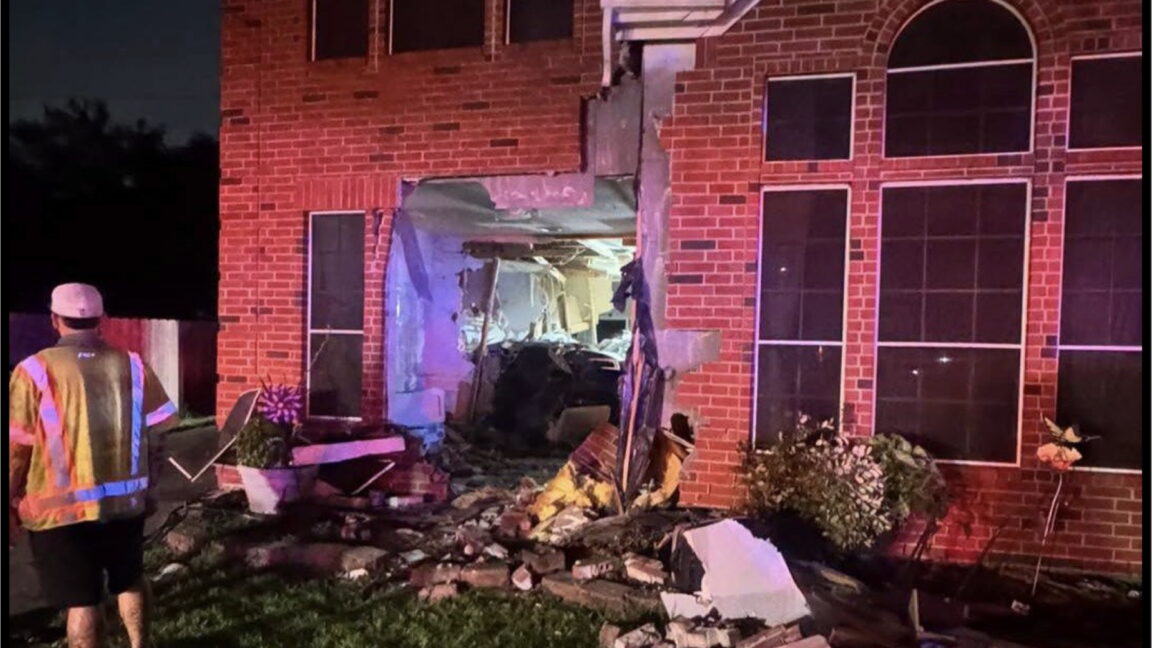
The U.S. National Transportation Safety Board (NTSB) released a preliminary report on Wednesday that sheds new light on a fatal Texas crash involving a Tesla Model Y. According to the data, 44‑year‑old Michael Butler, who was behind the wheel, kept the Full Self‑Driving (FSD) mode active but, moments before impact, pressed the accelerator pedal fully to the floor, accelerating the vehicle in a residential neighborhood.
Background and Earlier Controversies
Tesla’s Autopilot suite, especially the FSD beta, has been at the center of ongoing safety debates. Past incidents involving “pedal‑pumping” or sudden driver overrides have prompted scrutiny from regulators and consumer advocates. In the weeks leading up to the crash, Butler told police that the autopilot was engaged, a claim that Elon Musk publicly disputed on X, stating that “FSD drives slowly through neighborhood streets, and this was a high‑speed crash!” Musk’s argument implied that the driver must have manually disabled the system.
New Findings from the NTSB
The NTSB’s preliminary analysis confirms that the FSD system was indeed active when the collision occurred. However, electronic logs reveal that the driver “manually overrode FSD (Supervised) by pressing the accelerator pedal to 100 percent.” This aligns with internal data shared by Tesla’s vice‑president of AI software, Ashok Elluswamy, who previously reported that the driver’s action was the decisive factor in the vehicle’s rapid acceleration.
Regulatory and Industry Implications
These revelations could intensify regulatory pressure on Tesla. If the incident is ultimately classified as driver error rather than a software flaw, it may affect the company’s safety certifications and future autonomous‑driving policy. Legal experts anticipate that the case will spur fresh guidelines on driver‑monitoring requirements, clearer system‑off warnings, and more stringent user‑training protocols for FSD users.
Looking Ahead
The NTSB’s investigation is still ongoing, with a deeper dive into sensor data, driver reaction times, and road conditions planned. Industry analysts argue that the episode underscores the urgent need for a robust human‑machine interface, where drivers receive unmistakable cues and are required to maintain active supervision, especially in high‑speed environments.