The India‑Japan high‑speed rail partnership moves ahead with the first Surat‑Bilimora stretch slated for 2027, while Japan’s next‑gen E10 Shinkansen will join after 2030. The corridor will dramatically cut travel time between the two megacities.
Key Takeaways (मुख्य बिंदु)
- Surat‑Bilimora section to start operations in 2027.
- Initial services will use Indian‑built high‑speed trains.
- Japan’s E10 Shinkansen expected after 2030.
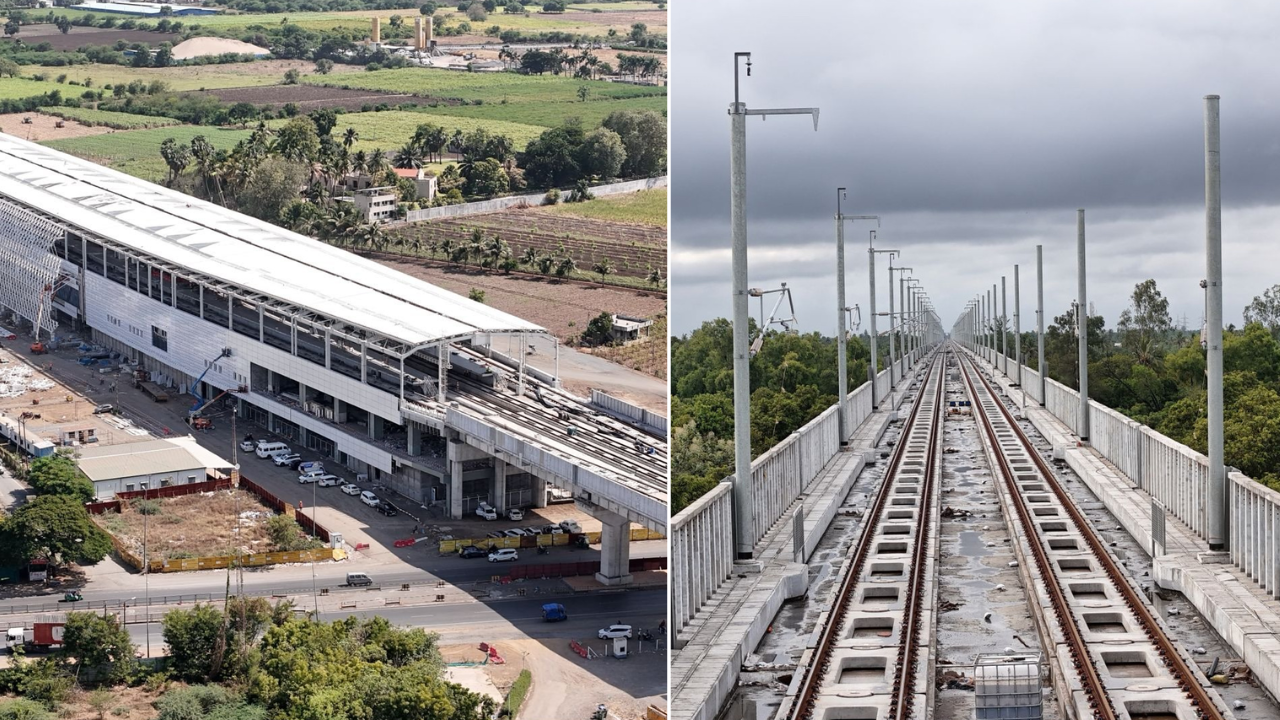
Under the bilateral India‑Japan agreement, construction of the Mumbai‑Ahmedabad high‑speed rail corridor is progressing at a rapid pace. Both governments have agreed to commence services with domestically produced high‑speed trains, ensuring the project does not wait for the finalization of Japan’s E10 model.
The inaugural segment, linking Surat and Bilimora in Gujarat, is scheduled to be operational by 2027. This stretch will slash the current travel time of 7‑8 hours to roughly 2‑3 hours, marking a watershed moment for India’s rail infrastructure and a flagship initiative of Prime Minister Narendra Modi.
Japan’s next‑generation E10 Shinkansen is still under development and is projected to achieve speeds of up to 360 km/h. Its eventual deployment will deepen technological collaboration and set new standards for speed and efficiency on Indian tracks.
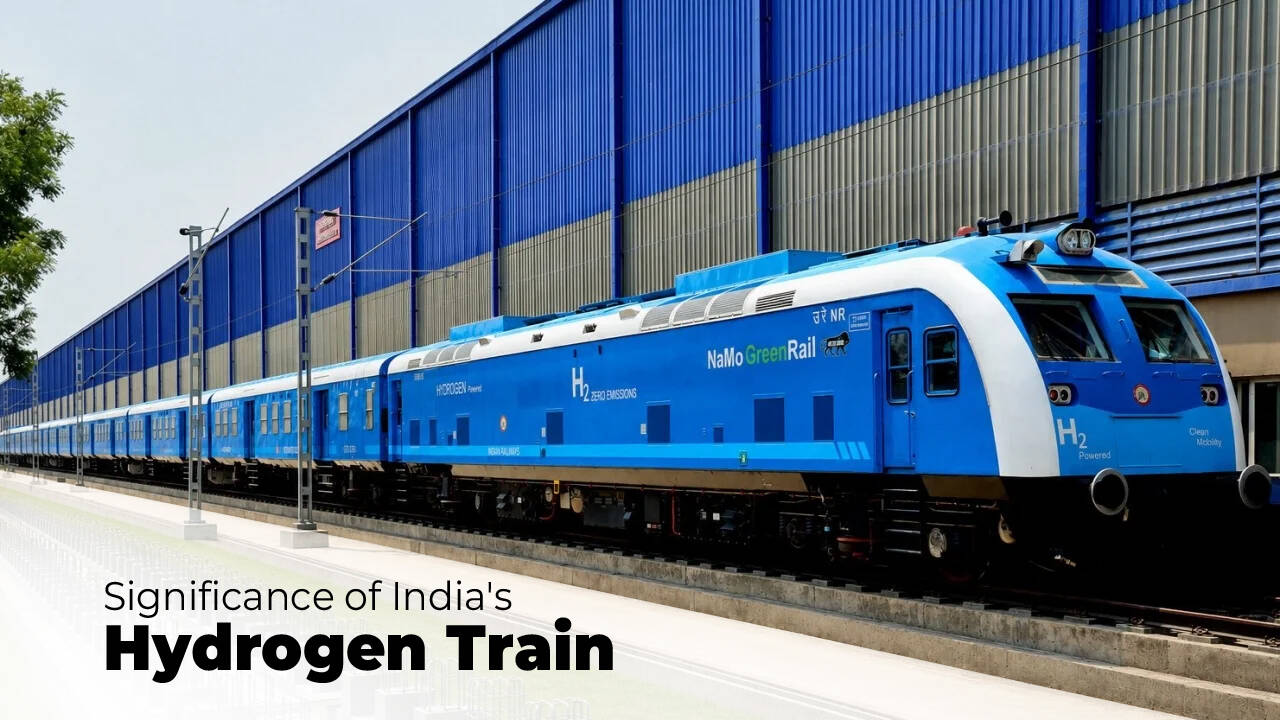
Recent developments also include Prime Minister Modi flagging off India’s first hydrogen‑powered train, positioning the country among a select group of nations embracing clean‑fuel rail solutions. The 10‑coach train, capable of carrying 2,600 passengers, will initially run between Jind and Sonipat at a maximum speed of 75 km/h, with design capabilities up to 110 km/h.
Why This Matters (इसके मायने क्या हैं)
According to BozokMedia analysis, the bullet‑train corridor will not only accelerate passenger movement but also stimulate economic activity along the route, attracting investment, boosting tourism, and creating jobs in ancillary sectors.
Furthermore, integrating hydrogen‑powered rolling stock with high‑speed rail aligns with India’s climate commitments, reducing carbon emissions and supporting Sustainable Development Goals related to affordable and clean transportation.
“Introducing Japan’s E10 Shinkansen in India will be a milestone in bilateral tech cooperation, enhancing both nations’ industrial capabilities.” – Dr. Rajesh Singh, Transportation Analyst
Frequently Asked Questions (अक्सर पूछे जाने वाले प्रश्न)
Q1: When will the first section open?
A1: The Surat‑Bilimora segment is slated for service in 2027.
Q2: When will the Japanese E10 trains be introduced?
A2: The E10 Shinkansen is expected to be deployed after 2030.