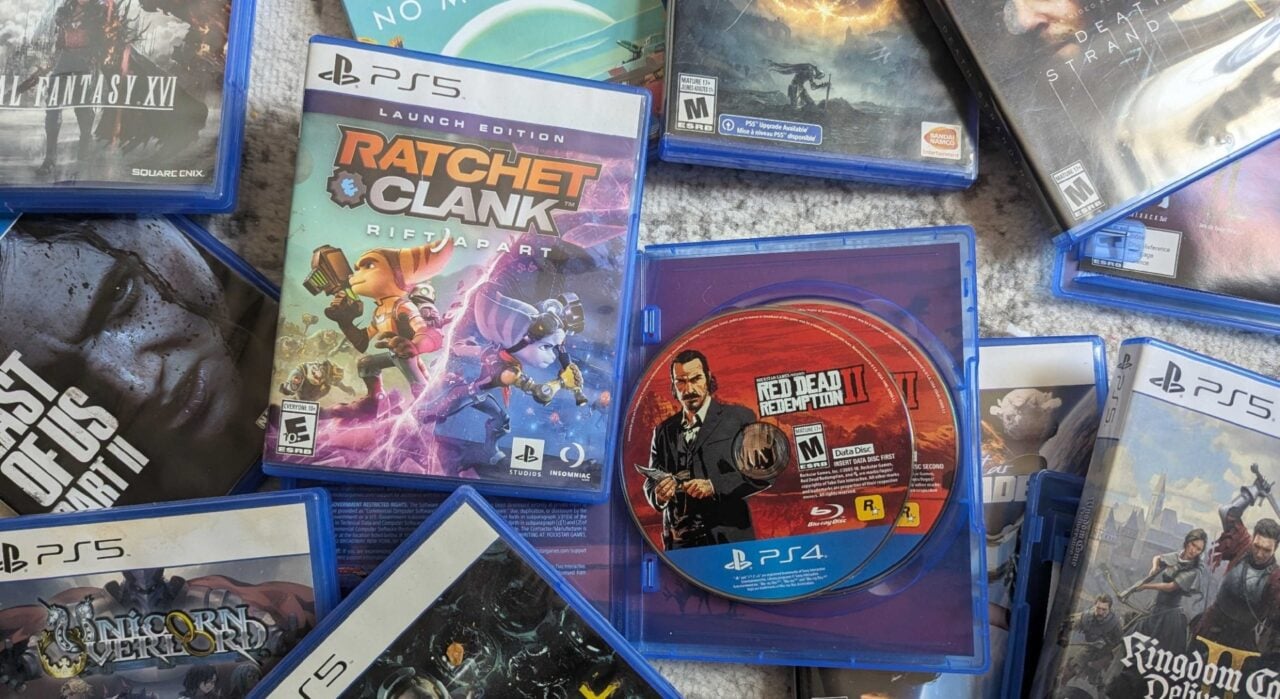
Following Sony's announcement to halt physical game disc production by 2028, Nier creator Yoko Taro has expressed deep sadness over the death of physical media.
Key Takeaways
- Sony plans to end production of physical game discs starting January 2028.
- Nier creator Yoko Taro expressed profound sadness regarding the decline of physical media.
- The shift toward digital-only models raises concerns about consumer ownership and market monopoly.
- Legal challenges are emerging from consumer groups and lawmakers worldwide.
The gaming industry is standing on the precipice of a massive cultural shift. Yoko Taro, the visionary creative director behind the acclaimed Nier series, has taken to social media to voice his devastation regarding the impending demise of physical media. This follows Sony's strategic decision to phase out the production of PlayStation game discs by January 2028.
In a poignant post on X (formerly Twitter), Taro lamented that while the disappearance of physical media feels like an inevitable 'flow of the times,' it remains deeply saddening. He admitted that his previous prediction—that high-end, limited edition physical releases would continue to thrive even in a digital-first world—has proven incorrect. Taro urged fans to secure their physical copies, such as his copy of Hi-Fi RUSH, while the opportunity still exists.
Why This Matters (इसके मायने क्या हैं)
BozokMedia analysis shows that this transition from physical to purely digital distribution is more than just a change in format; it is a fundamental shift in consumer rights. When physical media disappears, the concept of 'ownership' is replaced by 'licensing.' Consumers no longer own a tangible product that can be resold, lent, or kept in a collection; they merely rent access to software that can be revoked by the provider at any time.
Furthermore, this move consolidates immense power within a few massive digital storefronts. By eliminating physical distribution, Sony effectively removes the ability for independent retailers to compete, potentially leading to a monopolistic environment. This lack of competition can lead to higher prices for consumers and a lack of choice in how they consume their favorite media.
"The death of physical media represents the loss of gaming's tangible history and the erosion of true consumer ownership."
Historical Background
For decades, physical media has been the backbone of the gaming experience. From the cartridge-based era of the 1980s to the widespread adoption of CD-ROMs in the 90s and the high-definition Blu-ray era of the PlayStation era, physical discs provided a sense of permanence. Beyond the convenience of not needing an internet connection for installation, physical media allowed for a secondary market of used games, which kept gaming affordable for millions. The shift to digital-only ecosystems poses a significant risk to 'digital preservation,' as games tied to defunct servers may become unplayable forever.
| Feature | Physical Media | Digital Downloads |
|---|---|---|
| Ownership | Full ownership of the physical asset. | Limited license to play. |
| Resale Value | High; can be sold or traded. | Zero; digital licenses cannot be resold. |
| Internet Dependency | Minimal; works offline. | High; required for downloads/updates. |
| Longevity | Lasts as long as the disc is intact. | Depends on server availability. |
Frequently Asked Questions (अक्सर पूछे जाने वाले प्रश्न)
Question 1: When will Sony stop making game discs?
Answer: Sony's current plan is to end physical game disc production starting in January 2028.
Question 2: Why are people protesting this decision?
Answer: Critics argue that it creates a monopoly, kills independent stores, and removes the consumer's right to own their games.