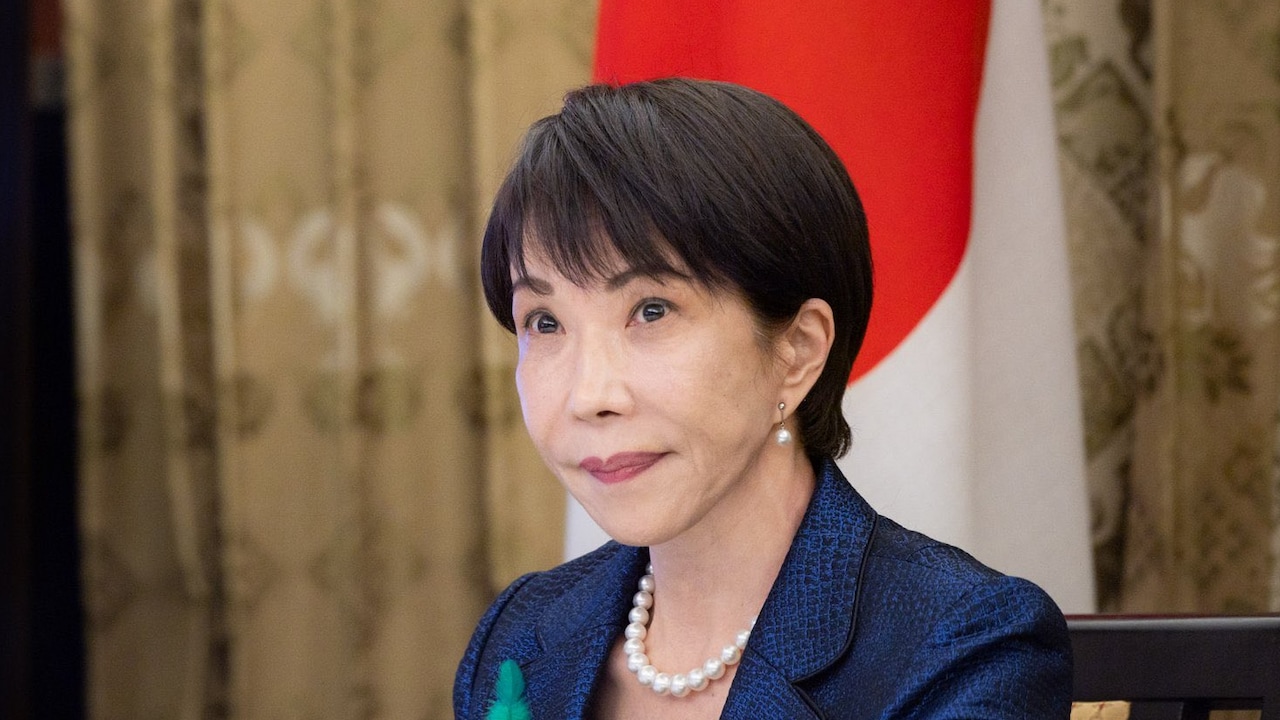
Japan has officially recognized cryptocurrencies as financial assets. Discover how this landmark regulatory shift impacts global markets and the strategic outlook for Indian investors.
Key Takeaways
- Japan has officially classified cryptocurrencies as 'Financial Assets.'
- This move paves the way for massive institutional capital inflow.
- It sets a regulatory precedent that could influence global markets, including India.
In a move that has sent ripples through the global financial ecosystem, Japan has officially designated cryptocurrencies as Financial Assets. As one of the world's most stringent regulatory environments, Japan's decision to integrate digital assets into the formal financial framework marks a significant evolution from viewing crypto as a speculative instrument to a legitimate asset class.
This reclassification is expected to lower the barriers for entry for conservative institutional players, such as pension funds and major banking corporations, who require legal clarity before deploying large-scale capital into the digital asset space.
Why This Matters (इसके मायने क्या हैं)
BozokMedia analysis shows that Japan's regulatory clarity acts as a catalyst for global market stability. By treating crypto as a financial asset, Japan is essentially de-risking the sector in the eyes of traditional finance, which could lead to increased liquidity and reduced volatility in the long run.
For Indian investors, this is a crucial signal. While India continues to navigate its own complex taxation and regulatory landscape, the precedent set by a major G7 economy like Japan provides a roadmap for how digital assets can be integrated into a modern economy. It suggests a future where crypto is not an outsider, but a core component of a diversified investment portfolio.
Japan's pivot transforms cryptocurrency from a fringe speculative asset into a cornerstone of the modern digital financial architecture.
Historical Background
Japan's journey with crypto has been a rollercoaster. Following the catastrophic collapse of the Mt. Gox exchange in 2014, Japan became one of the first nations to implement heavy-handed regulations. While these early rules were seen as restrictive, they built the robust infrastructure and investor protection mechanisms that now allow Japan to lead the world in sophisticated crypto-asset management.
| Feature | Old Approach | New Approach |
|---|---|---|
| Classification | Speculative/Unclear Asset | Financial Asset |
| Investor Confidence | Low (High Volatility) | High (Institutional Grade) |
| Regulatory Oversight | Reactive/Fragmented | Proactive/Structured |
Frequently Asked Questions (अक्सर पूछे जाने वाले प्रश्न)
1. How does 'Financial Asset' status change the market?
It allows traditional financial institutions to hold, trade, and manage crypto under existing legal and tax frameworks, bringing in massive liquidity.
2. Will this influence India's crypto policy?
While every nation has sovereignty, Japan's success provides a compelling case study for Indian policymakers looking to balance innovation with investor protection.