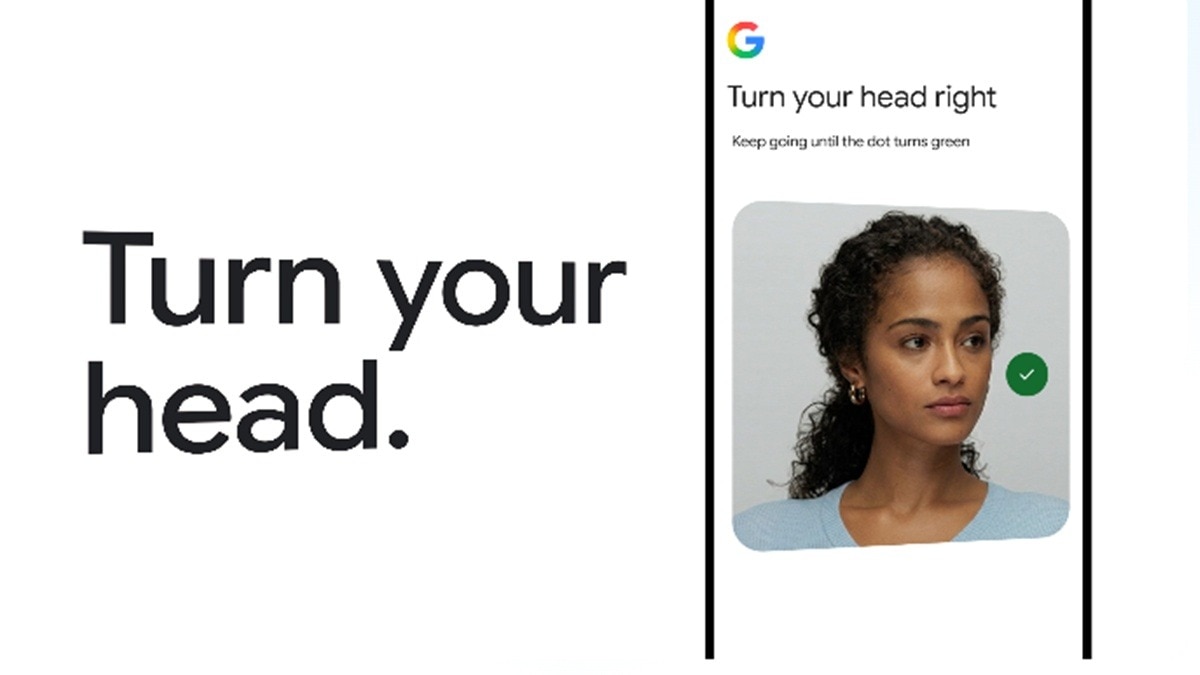
Google is introducing a new 'Selfie Video Verification' feature to help users regain access to their Gmail accounts without needing a recovery phone number or email. This secure tool utilizes advanced biometric analysis to prevent deepfake bypasses, making account recovery seamless and secure.
Key Takeaways
- Google has introduced a selfie video verification feature to simplify password recovery.
- It is designed for users who lack access to traditional recovery methods like backup phone numbers.
- The system features multi-layered security capable of detecting and blocking deepfake videos.
Forgetting a Gmail password is an incredibly common hassle. However, when you also lose access to your registered mobile number or backup recovery email, it can turn into a digital nightmare. To resolve this persistent issue, Google has introduced a groundbreaking solution: 'Selfie Video Verification' for account recovery.
With this new feature, users can regain access to their accounts by simply recording a short video of themselves. This video acts as a direct authentication tool, proving the user's identity when traditional recovery methods are unavailable. Google officially announced this rollout in a recent blog post.
How the Feature Works
To utilize Google's selfie video feature, users will first need to record a short reference video during their account setup. Google records this via the front-facing camera and securely stores it as an encrypted reference. In the future, if a user forgets their password or cannot access standard sign-in options, Google will prompt them to record a quick live video to match against the reference and unlock the account.
Why This Matters
BozokMedia analysis shows that traditional recovery methods like SMS OTPs and secondary email addresses are increasingly vulnerable to sim-swapping and social engineering attacks. By leveraging on-device and cloud-based biometric validation, Google is raising the bar for personal cybersecurity, ensuring that only the rightful owner can reclaim access to their digital identity.
"Google's transition toward live video authentication represents a significant milestone in biometrics, effectively neutralizing the rising threat of sophisticated deepfakes."
From a security standpoint, Google has made it clear that users must record a live video in real-time. Pre-recorded clips, static photos, or deepfakes will not bypass the system. The technology features multiple layers of security designed specifically to analyze facial depth and movement, making it highly resilient against spoofing attempts.
| Feature | Selfie Video Verification | Traditional Recovery Methods |
|---|---|---|
| Security Level | Extremely High (Deepfake-resistant) | Medium (Vulnerable to Sim-Swapping) |
| Prerequisites | Front camera & live user presence | Recovery phone number or backup email |
| User Convenience | Instant and fully digital | Dependent on receiving SMS or email OTPs |
Frequently Asked Questions
Q1: Can I use a pre-recorded video for this verification process?
A1: No, the system strictly requires a live, real-time video recording to prevent unauthorized access attempts using photos or pre-recorded clips.
Q2: Is this selfie video data safe with Google?
A2: Yes, Google encrypts this biometric reference data, and it is used solely for authenticating your identity during the recovery process.