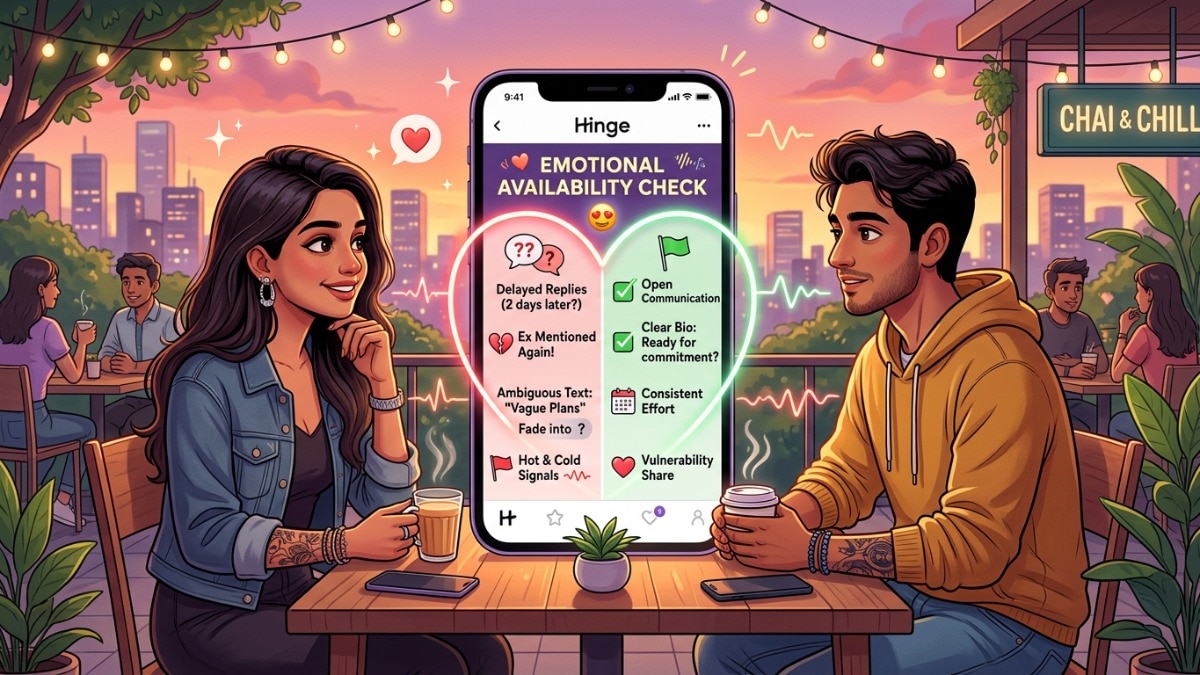
A recent study highlights a growing crisis among Gen Z, where mental well-being is increasingly tied to social media engagement. Lack of likes and comments is leading to loneliness and emotional instability.
Key Takeaways
- 82.9% of female students reported that likes and comments directly affect their mood.
- 61% of Gen Z feel lonely in real life despite having thousands of followers.
- Trolling and negative comments are major triggers for stress and anxiety.
- Experts recommend regular digital detoxes to maintain mental stability.
In the modern digital landscape, social media has transitioned from a simple sharing platform to a core component of identity and self-esteem, especially for Gen Z. A significant study led by Dr. Jyoti Sidana, a professor at the Government Arts Girls College in Kota, Rajasthan, has uncovered alarming trends regarding how digital engagement dictates emotional states.
The 25-day study, which involved 141 college students, aimed to understand the profound influence of social media on emotions, relationships, and mental health. The findings suggest that digital metrics are no longer just numbers; they are psychological benchmarks.
Why This Matters
BozokMedia analysis shows that the pursuit of 'virtual validation' is creating a fragile psychological foundation for the younger generation. According to the research, a staggering 82.9% of respondents stated that their mood is directly influenced by the likes, comments, and views their posts receive. When expectations are not met, it leads to feelings of inadequacy and diminished self-worth.
The reliance on digital validation as a metric for self-worth is creating a mental health crisis among the most connected generation in history.
Perhaps the most paradoxical finding is the 'loneliness epidemic' occurring amidst hyper-connectivity. Despite having thousands of followers, 61% of the students reported feeling profoundly lonely in their actual lives, noting that online connections lack the depth of face-to-face human interaction.
Impact Analysis Summary
| Impact Category | Percentage (%) | Consequence |
|---|---|---|
| Direct Mood Impact | 82.9% | Emotional swings based on engagement |
| Real-world Loneliness | 61.0% | Isolation despite high follower counts |
| Stress from Trolling | 61.0% | Anxiety caused by negative comments |
| Unregulated Usage | 43.9% | Lack of boundaries in phone usage |
Frequently Asked Questions
1. How does social media affect Gen Z mental health?
It can lead to increased anxiety, depression, and loneliness, especially when self-worth becomes tied to social media engagement metrics.
2. What is a digital detox?
A digital detox is a period of time during which a person refrains from using electronic devices such as smartphones and computers to reduce stress and focus on real-world connections.