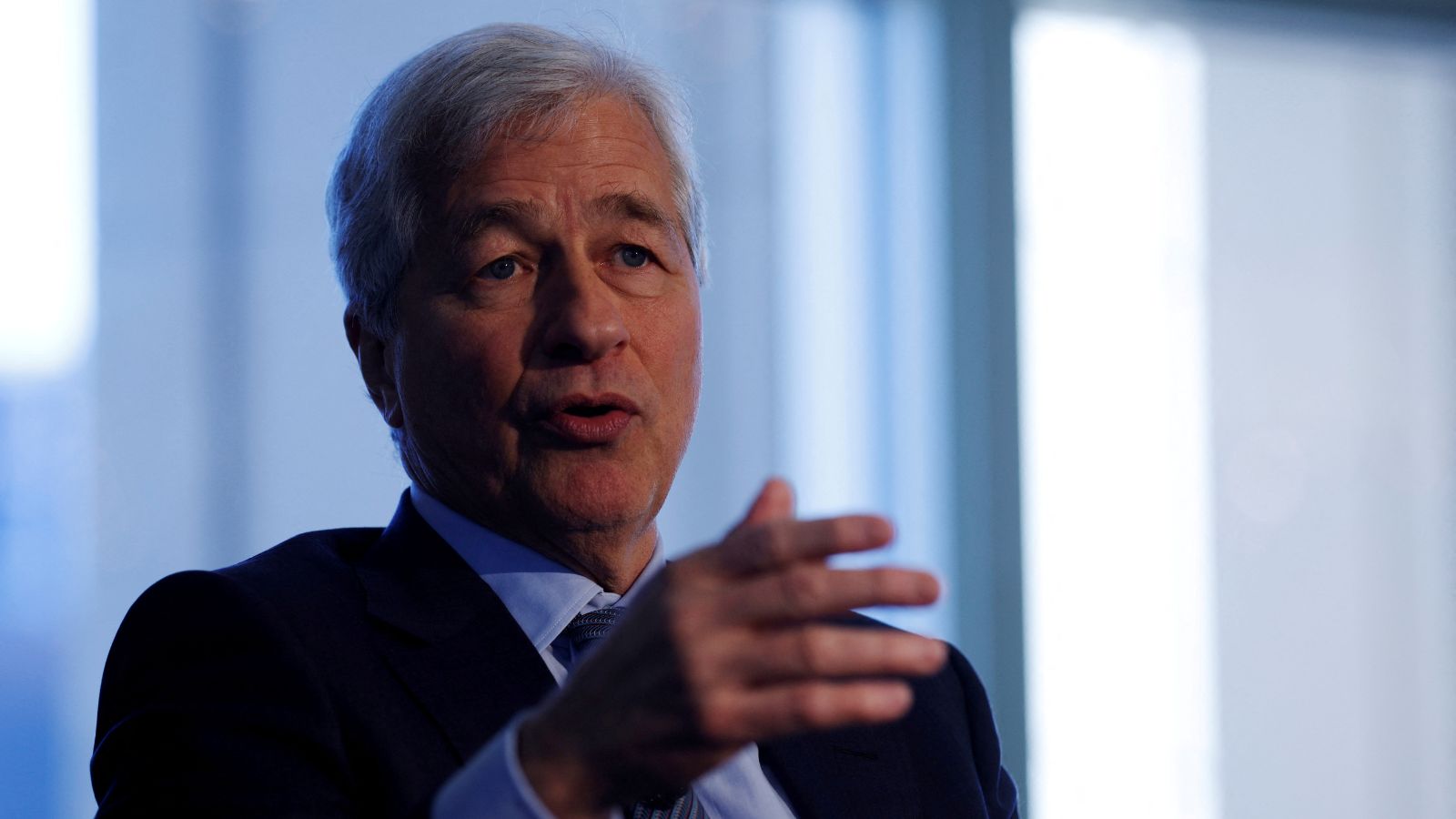
Meta CEO Mark Zuckerberg has issued an apology regarding Child Sexual Abuse Material (CSAM), deepfakes, and algorithmic errors after high-level talks with India's IT Ministry. The company admitted to paying for content boosting and errors in content moderation.
Key Takeaways
- Meta CEO Mark Zuckerberg apologized for CSAM, deepfakes, and operational errors.
- The apology follows a meeting with India's IT Minister Ashwini Vaishnaw.
- The Indian government clarified that Meta may not qualify for 'Safe Harbour' protection.
- Meta admitted to financial expenditures used to boost certain types of content.
In a significant diplomatic and regulatory development, Meta CEO Mark Zuckerberg has apologized for the proliferation of Child Sexual Abuse Material (CSAM), deepfake content, and systemic errors in platform operations. This apology comes after Meta's global leadership team met with India's IT Minister Ashwini Vaishnaw and IT Secretary S. Krishnan following intense government scrutiny.
The 'Safe Harbour' Conflict
Government sources emphasized that Meta's role in selecting and boosting specific content means they may no longer fall under the 'intermediary' definition provided by the IT Act. This distinction is crucial, as losing 'Safe Harbour' protection could make the social media giant legally liable for user-generated content posted on its platforms. The government has taken a firm stance on the platform's responsibility toward public order and national security.
Why This Matters: BozokMedia Analysis
BozokMedia analysis shows that this is not merely a technical glitch but a fundamental crisis of algorithmic accountability. The admission that significant funds were paid to boost specific content types suggests that Meta's business model may be actively conflicting with its safety protocols, creating a vacuum where harmful content can thrive.
"Meta, as one of the leading technology companies in the world, should have the technology to address such issues effectively." - IT Secretary S. Krishnan.
Historical Context: The PM Modi Post Controversy
The tension escalated after a Facebook post by Prime Minister Narendra Modi, intended to engage Indian youth regarding paper leak crackdowns, was briefly restricted by Meta's automated filters. While Meta attributed this to an AI-powered technical glitch, the Ministry of Electronics and Information Technology (MeitY) deemed the explanation "inadequate," prompting the high-level summons of Meta's global executives.
Frequently Asked Questions
1. Why did the Indian government summon Meta executives?
The summons were issued due to the wrongful restriction of PM Modi's content and concerns regarding CSAM and deepfakes on Meta platforms.
2. What is the implication of losing 'Safe Harbour'?
Losing safe harbour means Meta could be held legally responsible for the content hosted on its platforms, similar to a traditional publisher.