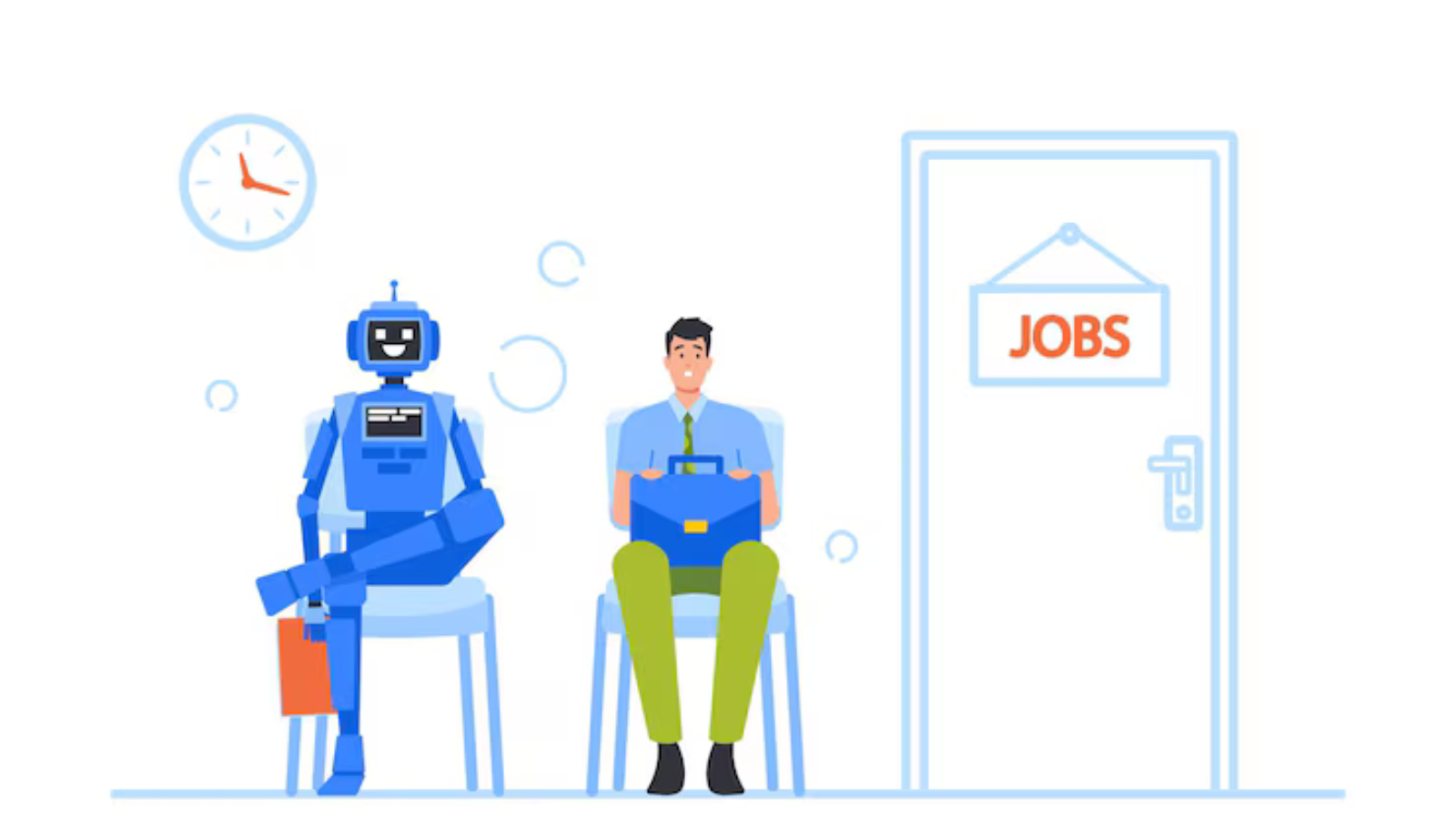
OpenAI has introduced 'ChatGPT for Teens' in India, a specialized experience for users aged 13-17 designed with robust safety guardrails, parental oversight tools, and learning-centric features like Study Mode.
- Launch of a dedicated 'ChatGPT for Teens' experience for users aged 13-17 in India.
- Introduction of 'Study Mode' to promote Socratic learning instead of direct answers.
- Enhanced parental oversight through linked accounts and safety notifications.
- Strict safeguards against high-risk content like self-harm, violence, and inappropriate material.
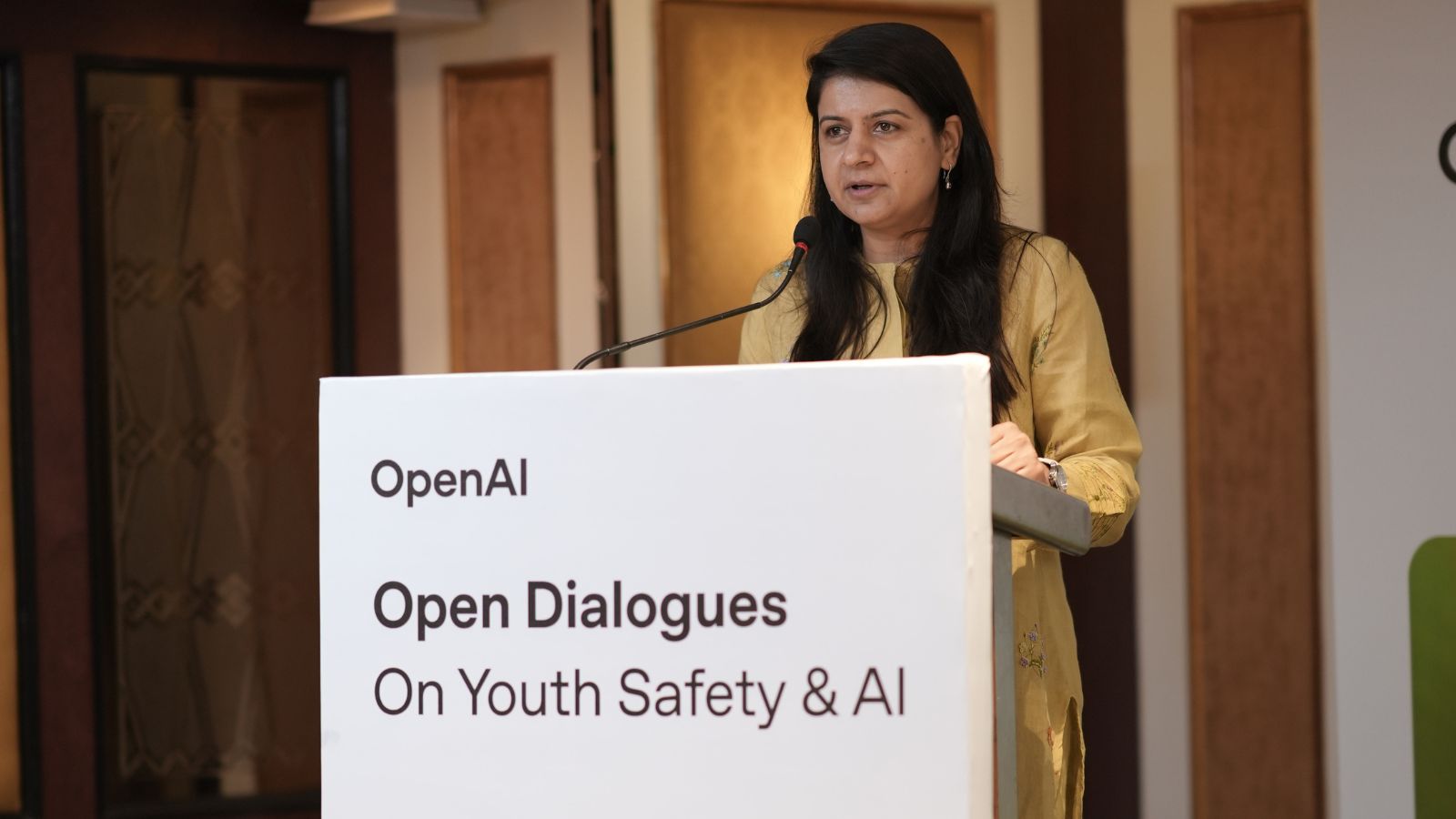
In a significant move to address the growing use of AI among younger demographics, OpenAI has officially launched 'ChatGPT for Teens' in India. Unveiled during the 'Open Dialogues on Youth Safety & AI' event in Mumbai, the initiative aims to provide an age-appropriate experience that balances technological exploration with rigorous safety protocols.
Pragya Misra, OpenAI’s Head of Strategy and Global Affairs, India, emphasized that the product was born out of real-world usage data. "Nine out of 10 use cases that we have are learning use cases, and many of them are under 18," Misra stated, highlighting that the primary driver for this launch is the educational demand among Indian youth.
Why This Matters
BozokMedia analysis shows that as AI becomes deeply integrated into the global education system, the risk of 'brain rot'—the erosion of critical thinking through over-reliance on automated answers—becomes a critical concern. OpenAI’s strategic pivot toward a tutor-like interaction model aims to mitigate this risk, ensuring AI serves as a cognitive enhancer rather than a shortcut.
The core of the teen experience is the 'Study Mode'. Unlike the standard version, Study Mode uses guiding questions and step-by-step support to help students arrive at answers themselves. This Socratic approach is complemented by 'Responsible Homework Reminders' and interactive quizzes designed to reinforce conceptual understanding.
"We expect the model to have a conversation more like a friend and less like a partner to prevent emotional dependency." - Pragya Misra
Safety remains the cornerstone of this new rollout. OpenAI has implemented stringent filters for high-risk areas, including self-harm, eating disorders, and sexually explicit content. Furthermore, the platform addresses the 'guidance gap' by allowing parents to link accounts, receive safety notifications via SMS or email, and set 'Quiet Hours' to manage usage.
| Feature | Standard ChatGPT | ChatGPT for Teens |
|---|---|---|
| Primary Goal | General Assistance | Guided Learning & Safety |
| Interaction Style | Direct Answering | Socratic/Tutor-led |
| Parental Oversight | Minimal | High (Linked Accounts/Alerts) |
| Safety Filters | Standard | Enhanced (High-Risk Topics) |
Frequently Asked Questions
1. How does 'Study Mode' differ from regular ChatGPT?
Study Mode focuses on teaching rather than just providing answers, using a Socratic method to guide students through problems.
2. What happens if a teen discusses a dangerous topic?
The system is designed to flag distress signals or inappropriate content, and parents with linked accounts will receive immediate notifications.