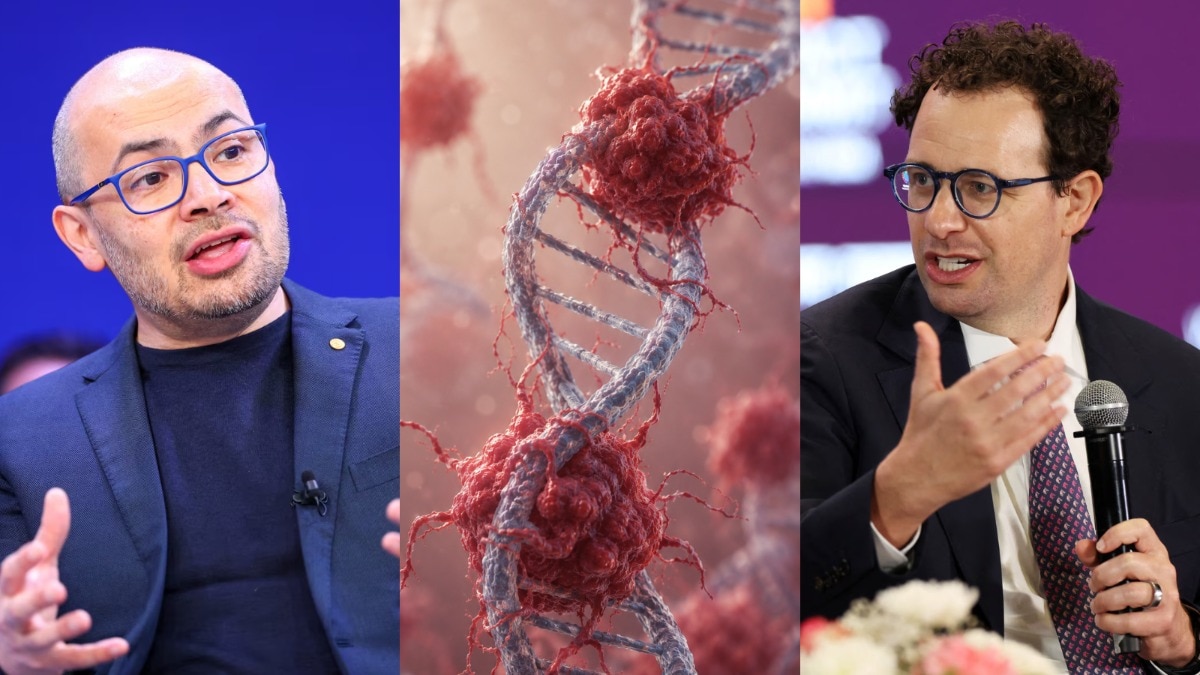
Tech visionaries Dario Amodei and Demis Hassabis predict AI will solve cancer within 10 years, a timeline that medical experts find highly controversial.
- AI leaders predict a cancer cure within a 10-year window.
- The claim is driven by AI's ability to process massive biological datasets.
- Medical oncologists warn against premature optimism without clinical validation.
In a bold assertion that has sent shockwaves through both Silicon Valley and the medical community, industry leaders Dario Amodei and Demis Hassabis have suggested that Artificial Intelligence (AI) is on the verge of curing cancer within the next decade. This prediction hinges on the unprecedented ability of large-scale models to decipher complex biological patterns that have eluded human researchers for generations.
The core of this optimism lies in the speed of drug discovery. While traditional methods of developing oncology treatments can take over a decade and billions of dollars, AI can simulate molecular interactions at lightning speed. Google DeepMind has already demonstrated breakthroughs in protein folding, which is a foundational step in understanding how diseases like cancer operate at a cellular level.
Why This Matters
BozokMedia analysis shows that this shift represents a paradigm change from 'reactive medicine' to 'predictive medicine.' If AI can identify the exact mutation driving a tumor and design a bespoke molecule to target it, the very nature of oncology will be rewritten, turning a terminal diagnosis into a manageable condition.
AI is a powerful accelerant, but biological complexity often defies even the most sophisticated algorithms.
However, the medical establishment is not entirely convinced. Oncologists argue that cancer is not a single disease but a collection of hundreds of different biological malfunctions. They caution that while AI can find patterns, the transition from a digital prediction to a safe, human-tested treatment requires years of rigorous clinical trials that cannot be bypassed by sheer computing power.
Historical Background
For decades, cancer treatment has evolved through stages: from invasive surgeries and radiation to systemic chemotherapy and targeted immunotherapy. Each leap was met with skepticism before becoming standard care. The integration of AI represents the next potential leap, moving from human-led experimentation to machine-augmented discovery.
Frequently Asked Questions
1. How does AI help in cancer treatment?
AI analyzes genomic data to find mutations and accelerates the discovery of new drugs that target those specific mutations.
2. Why are doctors skeptical?
Doctors emphasize that biological organisms are unpredictable and that AI models must undergo strict human clinical trials to ensure safety.