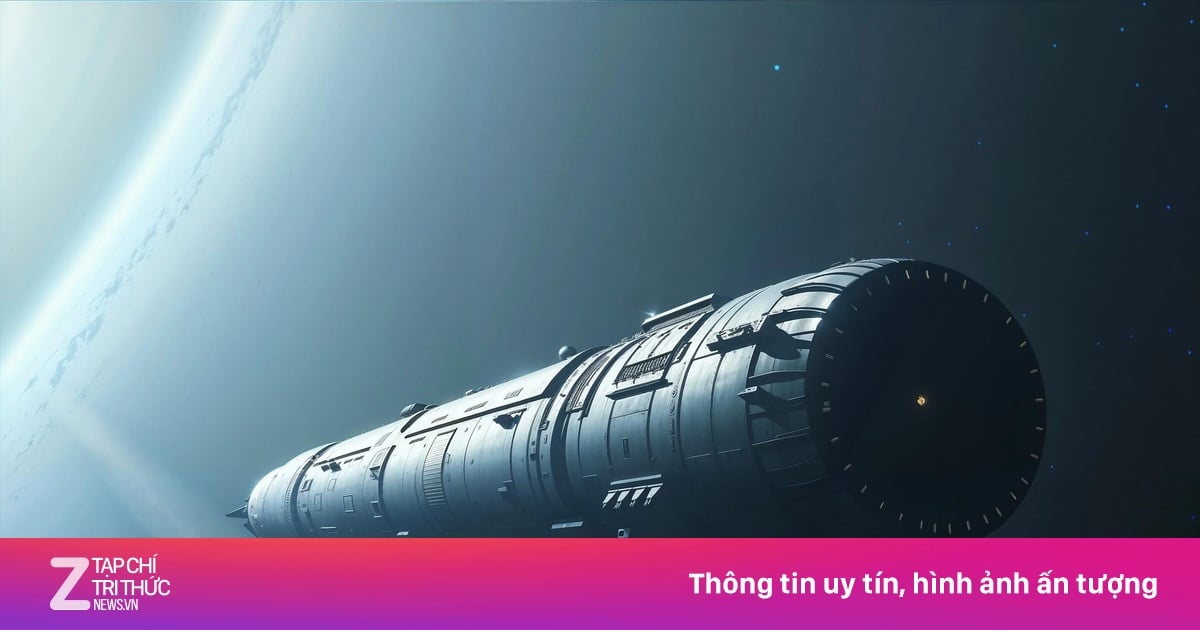
China has unexpectedly delayed the launch of its highly anticipated Chang’e-7 lunar mission. The mission is a cornerstone of China's plan to explore the Moon's South Pole.
- China has abruptly postponed the launch of the Chang’e-7 lunar mission.
- The mission aims to explore resources and water ice at the Moon's South Pole.
- Official reasons for the sudden postponement have not yet been disclosed.
In a surprising turn of events, China has announced the postponement of its ambitious Chang’e-7 lunar mission. This mission is a critical component of the nation's long-term lunar strategy, specifically targeting the unexplored and resource-rich regions of the Moon's South Pole.
The sudden decision has sent ripples through the international scientific community. The Chang’e-7 mission is designed to carry sophisticated instruments to detect water ice and other volatiles, which are essential for sustaining long-term human presence on the lunar surface. The delay, while unexplained, raises questions about technical readiness or unforeseen logistical hurdles.
Why This Matters
BozokMedia analysis shows that the race for the lunar South Pole is no longer just a scientific endeavor but a geopolitical contest. Control over lunar resources could dictate the future of deep-space exploration. China's delay puts it in a delicate position as it competes directly with NASA's Artemis program for lunar dominance.
Technical setbacks are common in deep-space exploration, but the timing of this postponement could impact China's broader lunar timeline and its strategic positioning.
Historically, China has demonstrated remarkable precision in its lunar endeavors. Following the success of the Chang’e-4 mission, which achieved the first soft landing on the far side of the Moon, the Chang’e-7 mission was expected to be a massive leap forward in lunar resource identification.
Historical Background
China's lunar program, established in the early 2000s, has seen rapid, exponential growth. Through the systematic implementation of the Chang’e series, China has evolved from a participant to a leading powerhouse in lunar science, consistently meeting or exceeding its mission milestones.
Frequently Asked Questions
Question 1: What is the primary goal of the Chang’e-7 mission?
Answer: The mission aims to investigate the lunar South Pole for water ice and other resources necessary for future habitation.
Question 2: Why was the mission postponed?
Answer: The Chinese space authorities have not provided a specific technical reason for the sudden postponement.