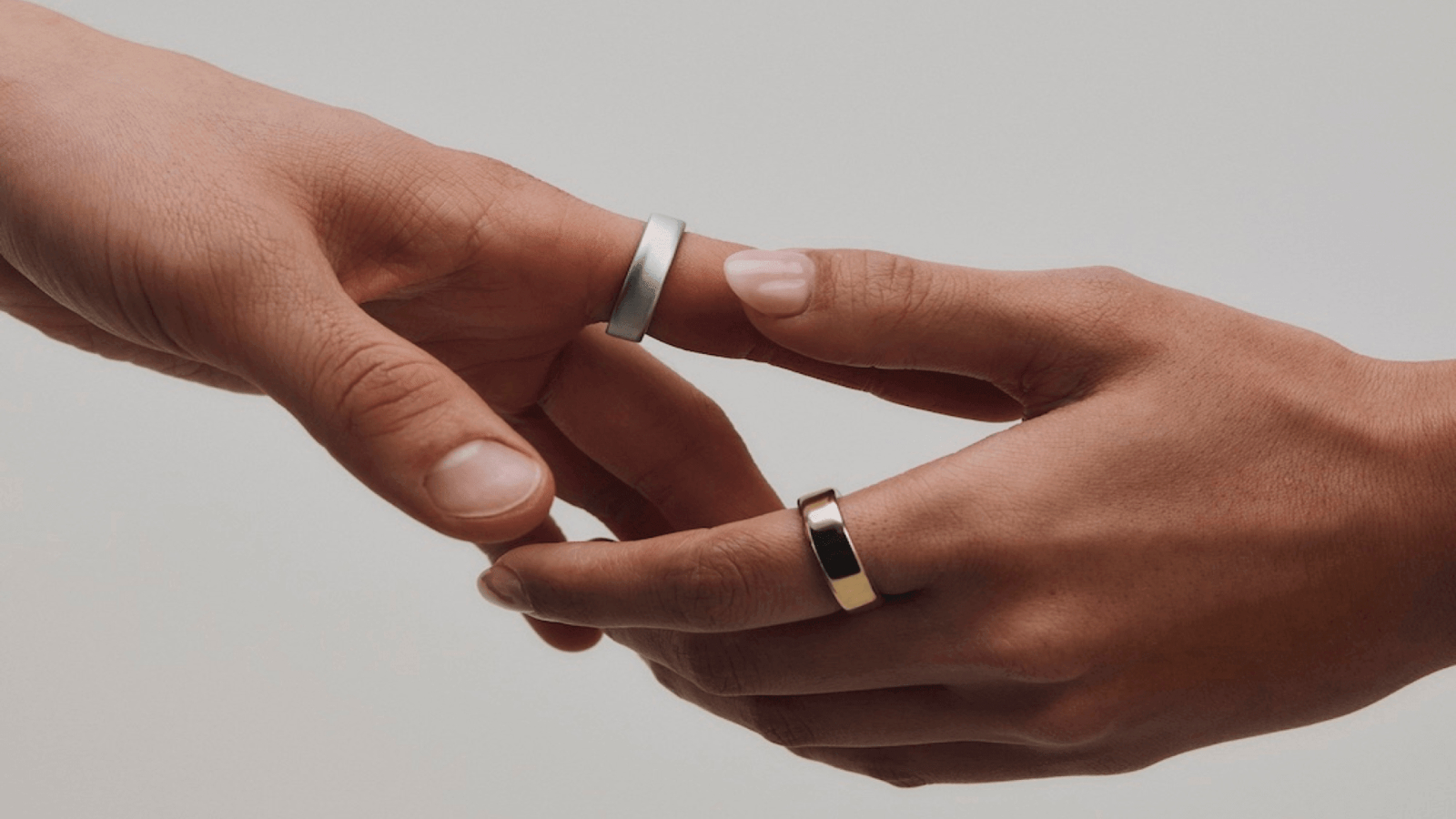
Popular smart ring manufacturer Oura is facing a proposed class-action lawsuit alleging the company misled consumers regarding the accuracy of its sleep-stage tracking features.
- Oura is accused of falsely claiming 'unparalleled accuracy' in sleep stage tracking.
- The lawsuit alleges the ring lacks the sensors required for clinical-grade sleep monitoring.
- Oura disputes the allegations, maintaining its methodology is scientifically validated.
Oura, the Finnish technology company that has dominated the smart ring market with revenues approaching $1 billion, is embroiled in a legal battle. A proposed class-action lawsuit filed by the Clarkson Law Firm in San Francisco alleges that the company has engaged in deceptive marketing regarding the precision of its sleep-tracking capabilities.
The lawsuit contends that Oura marketed its rings as being "built for accuracy" and capable of providing "unparalleled accuracy" in identifying sleep stages, including light, deep, and REM sleep. However, legal experts argue that the hardware in a finger-worn device is fundamentally incapable of measuring the brain activity and eye movements necessary to define these stages with clinical precision.
Why This Matters
BozokMedia analysis shows that this lawsuit represents a pivotal moment for the wearable technology industry. As companies move from simple step-counting to complex health monitoring, the gap between consumer-grade gadgets and medical-grade diagnostic tools is becoming a legal and ethical battleground.
"Sleep happens in the brain, not on one’s finger," the complaint sharply notes, highlighting the physiological discrepancy.
The plaintiffs, including Californian Madison Surber, argue that Oura capitalized on the growing consumer demand for sophisticated health data. The company reportedly claimed up to "95% Sleep Staging Accuracy compared to clinical sleep lab," despite lacking the scalp electrodes and eye sensors utilized in the gold-standard polysomnography tests conducted in medical facilities.
Historical Background
Since its inception in 2015, Oura has grown from a niche startup into a market leader, selling over 5.5 million rings. The company has recently moved toward public markets, filing draft prospectus for an IPO with the U.S. Securities and Exchange Commission, making this legal challenge particularly sensitive to its valuation.
| Feature | Oura Smart Ring (Claimed) | Clinical Sleep Study (Standard) |
|---|---|---|
| Measurement Basis | Heart rate & Temperature | Brainwaves (EEG) & Eye Movement |
| Required Hardware | Finger-worn Ring | Scalp Electrodes & Eye Sensors |
| Accuracy Level | 95% (per Oura) | Gold Standard (Medical Grade) |
Frequently Asked Questions
1. What is the basis of the lawsuit against Oura?
The lawsuit claims Oura misled users by promising clinical-level sleep stage accuracy that its hardware cannot physically achieve.
2. How does Oura respond to these claims?
Oura disputes the allegations, stating that their methodology has been validated and compared favorably against laboratory studies.