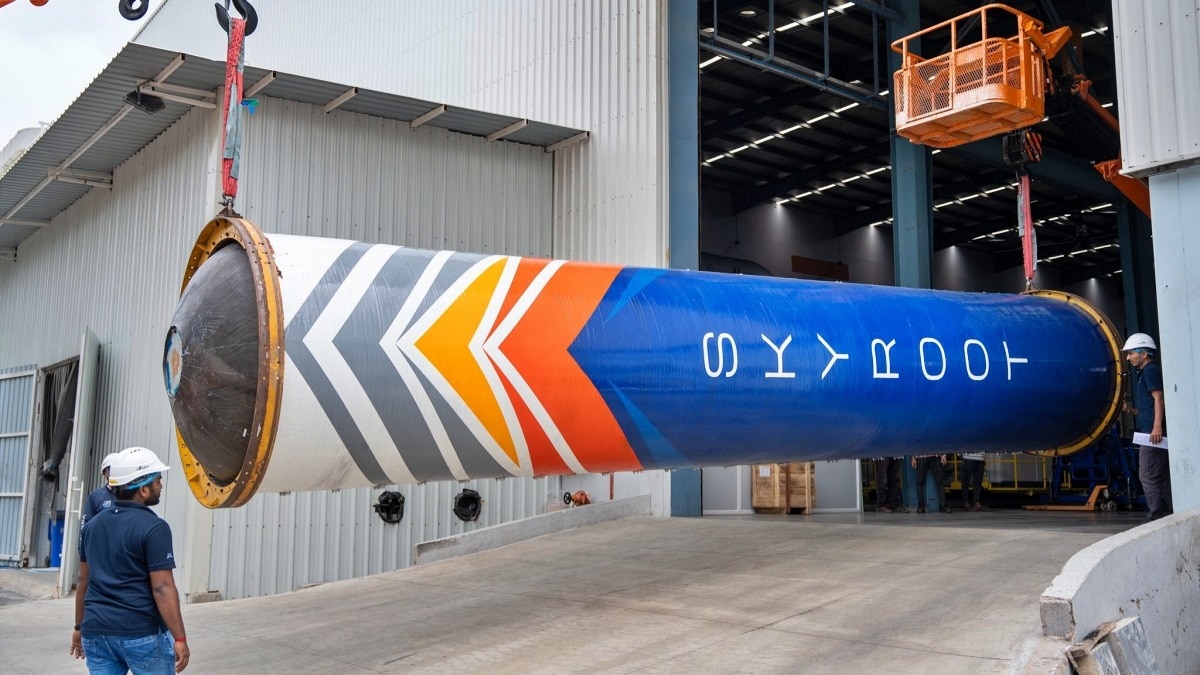
In a rapid follow-up to its maiden success, Skyroot Aerospace has dispatched the first stage of its Vikram-1 rocket to Sriharikota, signaling the start of its second orbital mission.
- Skyroot Aerospace is accelerating preparations for its second Vikram-1 mission.
- The rocket's first stage has been officially dispatched to the Satish Dhawan Space Centre in Sriharikota.
- This rapid turnaround highlights the company's goal of establishing regular launch cadences.
In a significant development for India's burgeoning private space sector, Skyroot Aerospace has officially commenced preparations for its second Vikram-1 mission. The company confirmed that the rocket's first stage has already been dispatched to the Satish Dhawan Space Centre in Sriharikota. This move comes just over a month after the successful maiden orbital flight of the Vikram-1, showcasing an impressive operational turnaround.
Announcing the movement of the hardware, Skyroot stated, "From one flight to the next," underscoring their strategic shift from experimental testing to establishing a consistent and reliable launch rhythm. Upon arrival at the spaceport, the first stage will undergo rigorous integration, testing, and final assembly processes alongside the remaining stages and intended payloads.
Why This Matters
BozokMedia analysis shows that Skyroot's ability to rapidly transition from a successful debut to a second mission is critical for commercial viability. In the global small-satellite market, reliability is measured by repeatability. By shortening the interval between launches, Skyroot is positioning itself as a serious contender in the global launch services market, proving that Indian private entities can maintain high-cadence operations.
The transition from successful testing to rapid-fire mission execution is the ultimate litmus test for any commercial space venture.
The Vikram-1 is an orbital-class launch vehicle specifically engineered to deliver payloads to Low Earth Orbit (LEO). While the first mission proved the rocket's technical capability, the second mission will be the true test of its operational reliability and the robustness of Skyroot's manufacturing and integration pipeline.
Historical Background
Historically, India's space ambitions were the sole domain of the Indian Space Research Organisation (ISRO). However, recent policy shifts and the establishment of IN-SPACe have democratized access to space. This new era allows private players like Skyroot to leverage national infrastructure to build a self-sustaining commercial space ecosystem in India.
Frequently Asked Questions
1. What is the purpose of the Vikram-1 mission?
The mission aims to deploy satellites into Low Earth Orbit (LEO) using a commercially viable launch vehicle.
2. Where is Skyroot's launch site located?
Skyroot utilizes the Satish Dhawan Space Centre in Sriharikota for its launch operations.