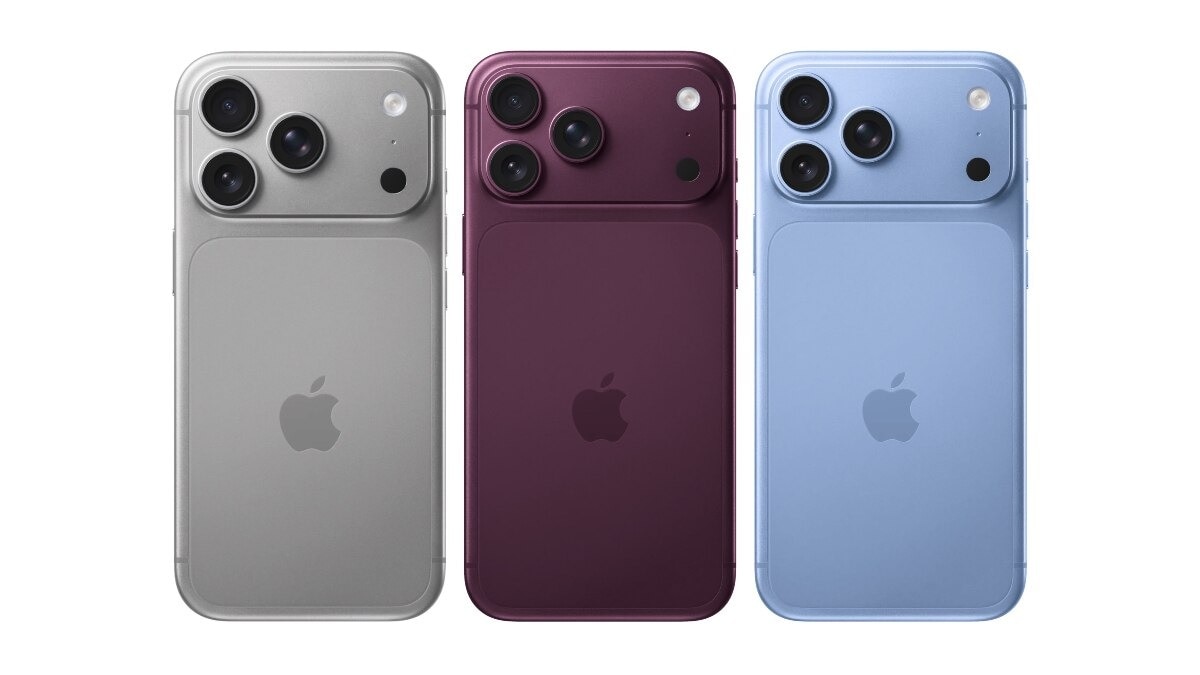
The new Redmi Note 17 Pro Max breaks endurance records with a 9,210mAh silicon-carbon battery. Xiaomi claims the device can last up to three days on a single charge.
- Equipped with a massive 9,210mAh dual-cell silicon-carbon battery.
- Promises up to three days of 'worry-free' usage on a single charge.
- Utilizes high-density silicon-carbon technology for a slim and light profile.
- Features a unique photochromic design that reacts to sunlight.
In a significant move to dominate the mid-to-high-end smartphone market, Xiaomi has introduced the Redmi Note 17 Pro Max. The standout feature of this device is its colossal 9,210mAh dual-cell battery, marking the largest battery capacity Xiaomi has ever integrated into a smartphone sold in the European market.
The core of this technological leap lies in the use of silicon-carbon battery technology. With a high 16 percent silicon content, these batteries offer significantly higher energy density compared to standard lithium-ion cells. This efficiency allows Xiaomi to pack a massive power reservoir into a chassis that remains remarkably slim and portable.
Why This Matters
BozokMedia analysis shows that the shift toward silicon-carbon chemistry is the next frontier in mobile hardware. By increasing energy density, manufacturers can finally break the trade-off between battery longevity and device ergonomics, offering massive power without the bulk.
The integration of silicon-carbon technology marks a paradigm shift, allowing for ultra-thin designs that do not compromise on multi-day endurance.
Interestingly, despite the massive capacity, the Redmi Note 17 Pro Max is highly ergonomic. It maintains a form factor similar to the iPhone 17 Pro Max, yet it is 8 grams lighter and slightly thinner, proving that high capacity no longer necessitates high weight.
Beyond power, the device boasts a sophisticated photochromic design. This aesthetic feature allows the phone's surface to react to sunlight, revealing unique patterns and colors, adding a layer of premium personalization to the hardware.
Historical Background
For years, the industry has struggled with the 'battery bottleneck'—the physical limit of how much energy can be stored in a handheld device without making it too heavy for comfortable use. The transition from traditional graphite anodes to silicon-based anodes is the industry's answer to this long-standing challenge.
Frequently Asked Questions
1. How long does the battery actually last?
Xiaomi officially states that the device provides up to three days of worry-free use.
2. Is the phone heavier than an iPhone?
No, the Redmi Note 17 Pro Max is approximately 8g lighter than the iPhone 17 Pro Max.