The rise of generative AI has sparked a wave of suspicion in the gaming industry, with developers facing constant allegations of using AI-generated assets. This deep dive explores the struggle to maintain artistic integrity in an era of 'AI slop'.
- Game developers are increasingly defending their hand-crafted art against unfounded AI accusations.
- The lack of a fixed style in generative AI makes it difficult for users to distinguish between human and machine art.
- The phenomenon is driven by shifting social media perceptions and the rapid evolution of AI tools.
The era of Generative AI has inadvertently ignited a modern-day witchhunt within the gaming community. It has become a routine struggle for video game developers to fend off accusations of using AI-generated imagery, even when they have been vocal critics of technologies like ChatGPT and Claude.
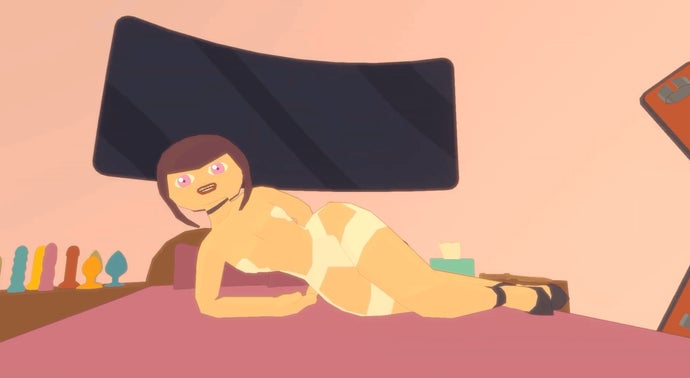
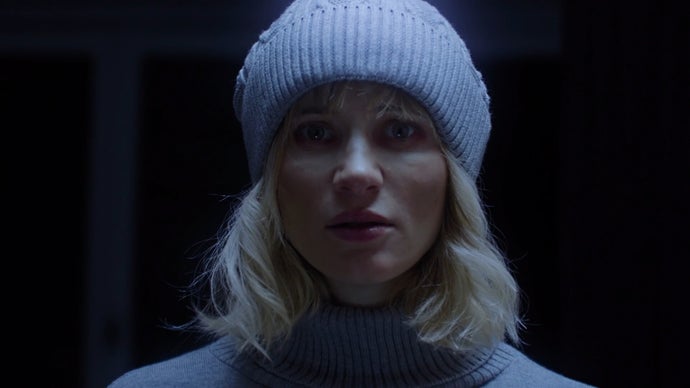
Recent high-profile cases include Sandustry, a 2D factory builder from Hooded Horse, and the newly announced Humankind 2 by Amplitude. In the latter case, developers had to move swiftly to reassure players that their announcement trailer was a genuine live-action production rather than an AI synthesis. This reflects a growing, albeit confused, public perception of what AI-generated content 'looks like'.
Why This Matters
BozokMedia analysis shows that the difficulty in identifying AI imagery is not just a gaming issue but a broader social and political challenge. As AI models evolve, the hallmarks used to detect them become obsolete, creating a moving target for both creators and critics. This ambiguity allows for the spread of misinformation and conspiracy theories.
"We would rather be making cool content ABOUT the game rather than making content proving it's NOT AI slop." — David Oshry, CEO of New Blood Interactive
Hannah Flynn, Communications Director at Failbetter Games, notes that any major announcement now comes with the guaranteed question of AI usage. She emphasizes that while community concerns are valid, many accusations stem from 'social media fly-bys'—users who are not invested in the studio's actual craft but are quick to judge.
David Oshry of New Blood Interactive suggests that short-form video platforms like Instagram and TikTok may be contributing to this phenomenon by altering how users perceive visual reality. Despite the exhaustion caused by these allegations, Oshry notes that the engagement often inadvertently drives up game wishlists.
Frequently Asked Questions
1. Why is it so hard to spot AI art?
Generative AI doesn't have a fixed style; it mimics whatever data it is trained on, making its 'look' constantly shifting and difficult to categorize.
2. What is 'AI Slop'?
'AI Slop' is a derogatory term used to describe low-effort, high-volume content generated by AI that lacks human intent or artistic value.