An investigative report reveals how Inspur, a blacklisted Chinese server giant, utilized a US-based subsidiary and Southeast Asian loopholes to acquire restricted Nvidia Blackwell chips.
- Inspur Group used a US subsidiary named 'Aivres' to bypass the US Entity List restrictions.
- Over $5.6 billion in advanced technology was routed through Southeast Asia to reach Chinese firms like Alibaba and ByteDance.
- The investigation highlights critical loopholes in US export laws regarding remote access to AI data centers.
For years, the global technology landscape has been a battleground for semiconductor supremacy. Inspur Group, one of the world's largest makers of computer servers, found itself at the center of this storm when the United States added it to the 'entity list' in March 2023. This blacklist, comprising over 3,000 companies, is designed to prevent security risks by restricting access to critical American technology. However, a deep-dive investigation reveals that the sanctions were largely a formality for the Chinese giant.
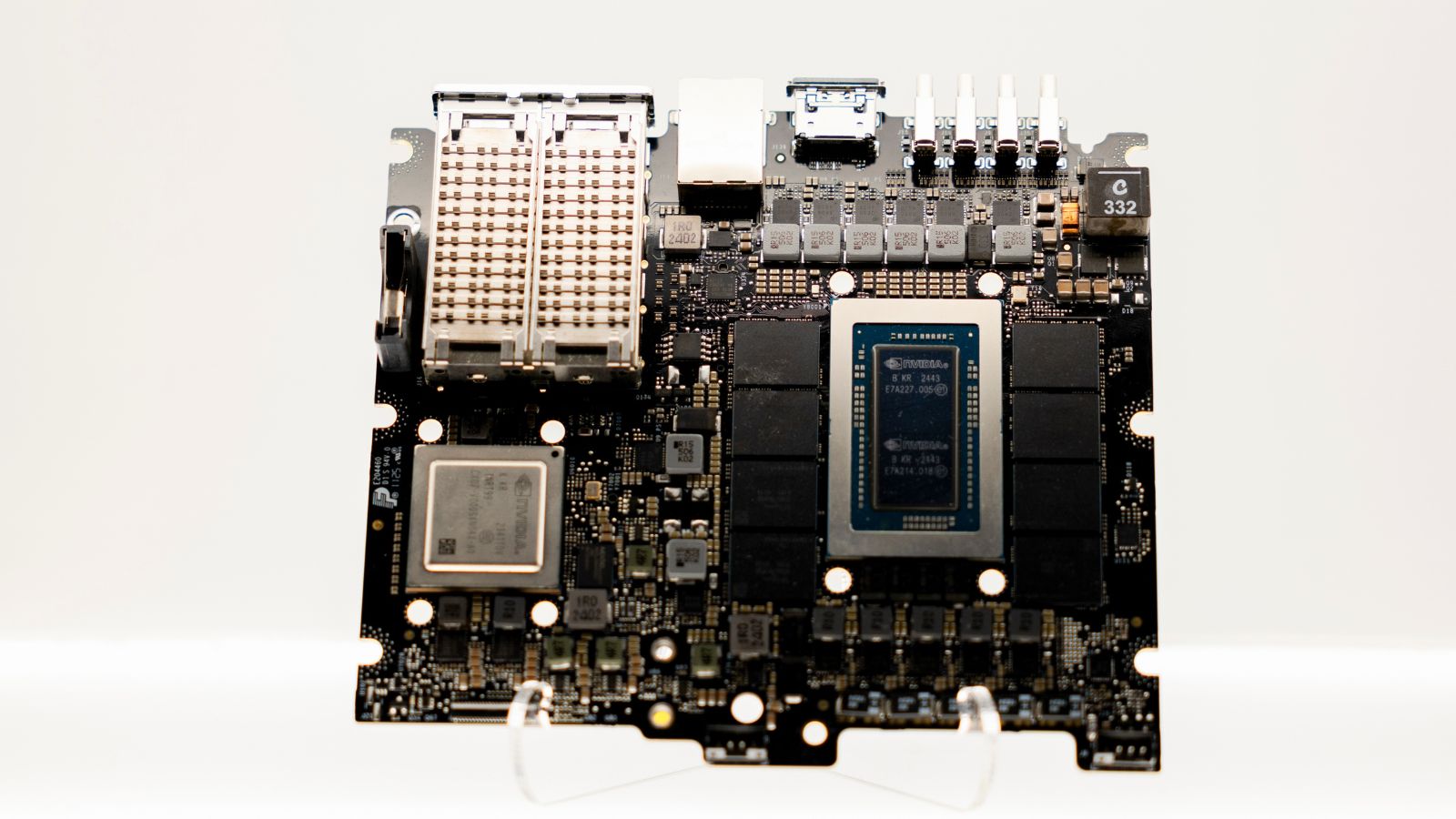
Shortly after the blacklist announcement, Inspur rebranded its Silicon Valley presence as Aivres. While the name changed, the operations remained virtually identical. This US-based subsidiary became a conduit for acquiring the most coveted hardware in the world: the Nvidia Blackwell chips. By exploiting legal gray areas, Aivres managed to facilitate the movement of high-end computing power that fuels China's rapid AI expansion.
The scale of the operation is staggering. Trade records analyzed by ImportGenius and the New York Times indicate that between April 2024 and February 2026, Aivres exported at least $5.6 billion of advanced technology to Southeast Asia. Of this, more than $3 billion consisted of computers containing cutting-edge Nvidia chips. These shipments were directed to data centers in Southeast Asia that serve Chinese tech behemoths including Alibaba and ByteDance.
Why This Matters
BozokMedia analysis shows that the current US export control regime suffers from a 'geographic blind spot.' While shipping a chip directly to Beijing is illegal, providing remote access to a server in Malaysia or Indonesia is far harder to regulate. This allows China to bridge the AI performance gap with US competitors without ever physically possessing the hardware on its own soil, effectively neutralizing the impact of US national security sanctions.
The network extended beyond simple exports. Reports suggest that servers were shipped to an electronics manufacturer in Malaysia, then rebranded and sent to a firm called Maginfra, which subsequently supplied high-performance computers to Chinese state-owned firms and universities. This multi-layered shell game makes it nearly impossible for regulators to track the final destination of the hardware.
"The ability of blacklisted firms to operate under new names in the very heart of Silicon Valley suggests a systemic failure in the enforcement of export controls."
Despite these findings, the US government's response has been lukewarm. Sources within the Commerce Department suggest a dwindling appetite for pursuing complex cases involving Nvidia, partly due to the immense economic value these sales bring to the US economy. Nvidia has maintained that it does not support 'diverted products' and complies with all laws, yet the flow of technology continues through third-party partners.
Frequently Asked Questions
Q1: What is the Nvidia Blackwell chip?
It is one of the most advanced AI chips currently available, designed to handle massive workloads for training large language models (LLMs) and generative AI.
Q2: How did Inspur avoid the sanctions?
By creating a US subsidiary (Aivres) and routing hardware through Southeast Asian data centers, allowing Chinese companies to access the power remotely.