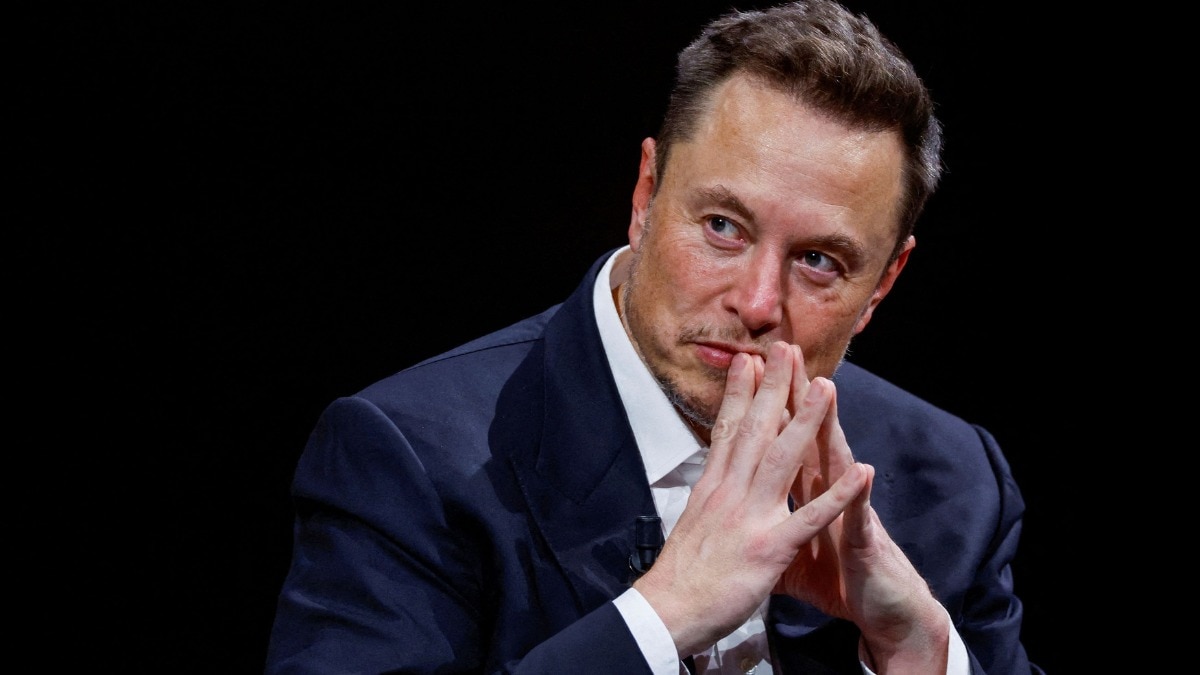
Tech mogul Elon Musk argues that providing internet access to the poor is more effective than traditional aid, enabling them to acquire knowledge and access global markets.
- Internet connectivity is proposed as a primary tool for economic liberation.
- Free access to online knowledge and global e-commerce can drive prosperity.
- Market-based empowerment is framed as superior to traditional foreign aid.
- Starlink serves as the critical infrastructure to implement this vision.
The world's wealthiest individual, Elon Musk, has proposed a provocative solution to the global poverty crisis: universal internet connectivity. Musk asserts that by bridging the digital divide, the impoverished can transition from being passive recipients of aid to active participants in the global economy.
During his appearance at the Qatar Economic Forum, Musk emphasized that an internet connection allows individuals to learn virtually any skill for free. More importantly, it provides a gateway to the global market, enabling rural artisans and entrepreneurs to sell their goods and services far beyond their immediate geographic constraints.
Why This Matters
BozokMedia analysis shows that while Musk frames this as a humanitarian effort, it aligns perfectly with the commercial objectives of Starlink. By positioning satellite internet as essential infrastructure for human development rather than just a premium utility, Musk is creating a powerful narrative to drive adoption in underserved markets. This shifts the conversation from 'telecommunications' to 'economic empowerment'.
"The transition from traditional charity to market-access empowerment represents a fundamental shift in how we approach global development."
This stance comes amidst a heated ideological clash with Bill Gates. While Gates criticized Musk for slashing USAID funding, which he claimed endangered vulnerable children, Musk countered by arguing that market access is a more sustainable path to prosperity than dependency on foreign aid.
In India, one of the most promising markets for such a service, Starlink continues to face significant regulatory hurdles. The tension between Musk's global ambition and national regulatory frameworks remains a key point of friction that could determine the speed of digital democratization in the region.
Frequently Asked Questions
1. How does Elon Musk believe the internet fights poverty?
He believes it provides free access to education and allows people to sell products to a global audience, bypassing local economic limitations.
2. What is the connection between this claim and Starlink?
Starlink is the infrastructure Musk has built specifically to provide high-speed internet to the remote and under-connected areas he mentions.