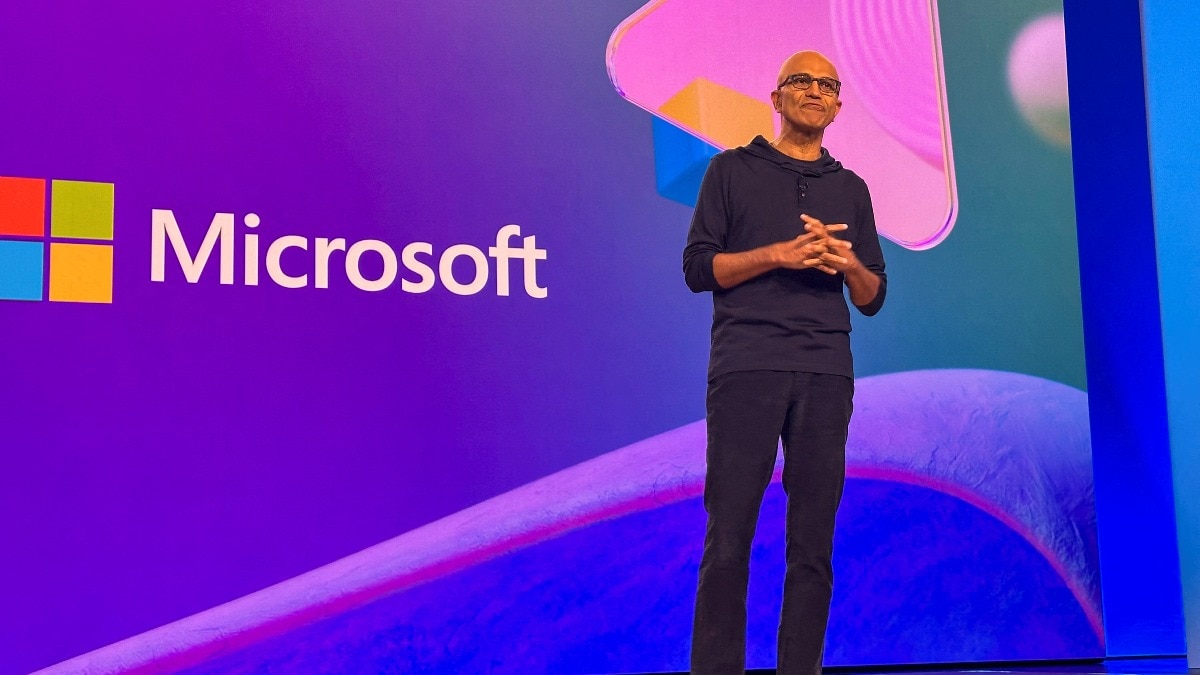
Microsoft CEO Satya Nadella has emphasized that Artificial Intelligence must be developed to serve humanity and must always operate under strict human supervision to prevent unintended consequences.
- AI development must be guided by human benefit and welfare.
- Strict human oversight is non-negotiable for AI systems.
- Emphasis on ethical AI and safety frameworks.
In a significant address regarding the trajectory of emerging technologies, Microsoft CEO Satya Nadella has voiced a critical perspective on the evolution of Artificial Intelligence (AI). Nadella asserted that the ultimate goal of AI must be to benefit humanity and that these systems must remain firmly under human control.
As AI capabilities expand at an exponential rate, the conversation around 'alignment'—ensuring AI goals match human values—has moved from science fiction to a boardroom priority. Nadella's comments underscore the responsibility held by tech giants to build guardrails that prevent autonomous systems from making decisions that deviate from human ethics.
Why This Matters
BozokMedia analysis shows that Nadella's stance is a strategic move to position Microsoft as a leader in 'Responsible AI.' As governments worldwide scramble to regulate AI, industry leaders' commitment to human-centric technology will dictate the future of global digital policy.
The power of AI should be harnessed to augment human intelligence, not to replace the fundamental agency of human decision-making.
The history of technological advancement shows that without regulatory and ethical frameworks, rapid innovation can lead to systemic risks. From the industrial revolution to the digital age, the challenge has always been managing the speed of change with the necessity of safety.
Current debates in the tech industry often center on the trade-off between rapid deployment and rigorous testing. Nadella's insistence on human control suggests that for Microsoft, safety is becoming as important as speed in the AI arms race.
Frequently Asked Questions
1. What did Satya Nadella say about the purpose of AI?
He stated that AI must be designed to benefit humanity and serve as a tool for human advancement.
2. Why is human control important in AI?
Human control is essential to ensure that AI systems remain ethical, safe, and aligned with human values and intentions.