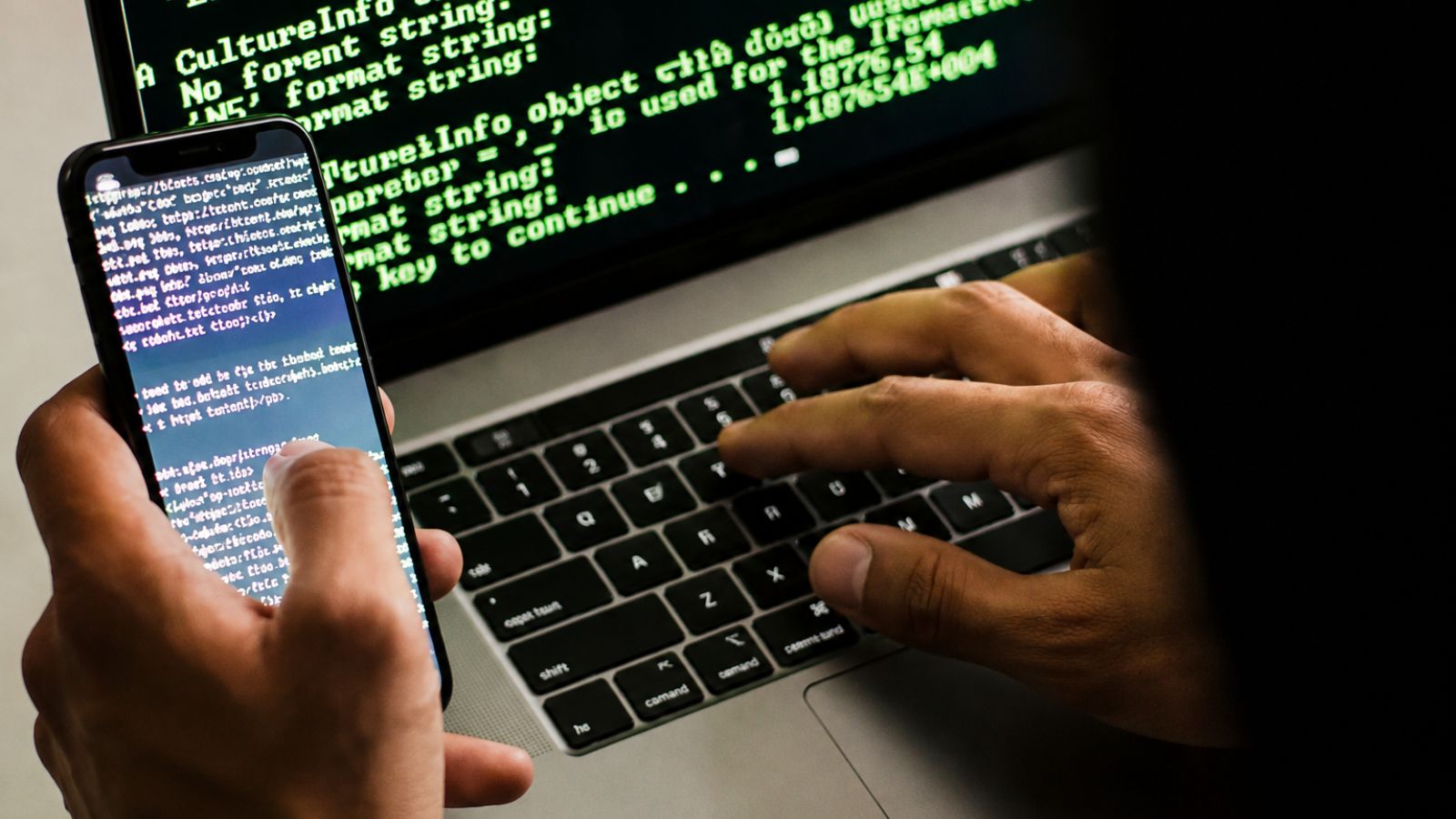
Cybercriminals are using fake SMS and malicious APK files disguised as electricity bills and traffic challans to rob citizens. I4C has issued a high-level warning against clicking suspicious links.
- Scammers use fear tactics like 'disconnection of electricity' or 'pending traffic fines' to induce panic.
- Downloading unknown APK files sent via WhatsApp or SMS can grant hackers full access to your phone.
- Always verify any official notice through legitimate government portals rather than suspicious links.
Cybercriminals are evolving their tactics by blending technology with psychological manipulation. The Indian Cyber Crime Coordination Centre (I4C) has issued a stern warning regarding a surge in fraudulent SMS messages disguised as electricity bill updates or traffic challan notices. This method, known as 'Smishing' (SMS Phishing), aims to trick users into compromising their financial security.
The scam typically begins with a high-pressure message: 'Your electricity connection will be disconnected tonight due to unpaid bills' or 'Your vehicle challan is pending; pay immediately to avoid legal action.' By creating a sense of extreme urgency, scammers prevent victims from taking the time to verify the information, leading them to click on malicious links or contact fake helpline numbers.
Why This Matters
BozokMedia analysis shows that the danger has shifted from simple phishing links to highly sophisticated 'Malicious APK' files. Once a user installs an application sent via WhatsApp—often disguised as an 'RTO e-Challan' or 'Electricity KYC' app—the software gains unauthorized access to SMS, contacts, and most importantly, banking credentials, allowing criminals to drain accounts remotely.
The most potent weapon of a cybercriminal is not the code they write, but the fear they instill in the victim.
Comparison: Electricity vs. Traffic Challan Scams
| Scam Type | Modus Operandi | Primary Risk |
|---|---|---|
| Electricity Bill Scam | Fake KYC updates or unpaid bill alerts via SMS. | Theft of banking data via malicious APKs. |
| Traffic Challan Scam | Sending 'RTO e-Challan' APK files via WhatsApp. | Total device takeover and financial theft. |
This is not an isolated incident. In June 2024, the Department of Telecommunications (DoT) conducted major operations against the 'Electricity KYC Update Scam.' Scammers were found using WhatsApp and SMS to spread malware through APK files. The government has reiterated that official departments will never demand payments or KYC updates through personal mobile numbers or unofficial messaging apps.
The National Informatics Centre (NIC) has also advised the public to never install applications from unknown sources. If you receive a message regarding a fine or a bill, navigate directly to the official government website or use a verified government app to check your status. Never rely on a link provided in a text message.
Frequently Asked Questions
1. How can I verify if a traffic challan is real?
Always use the official Parivahan website or the authorized RTO portal to check for pending challans.
2. What should I do if I accidentally installed a suspicious app?
Immediately disconnect from the internet, perform a factory reset on your device, and contact your bank to freeze your accounts.