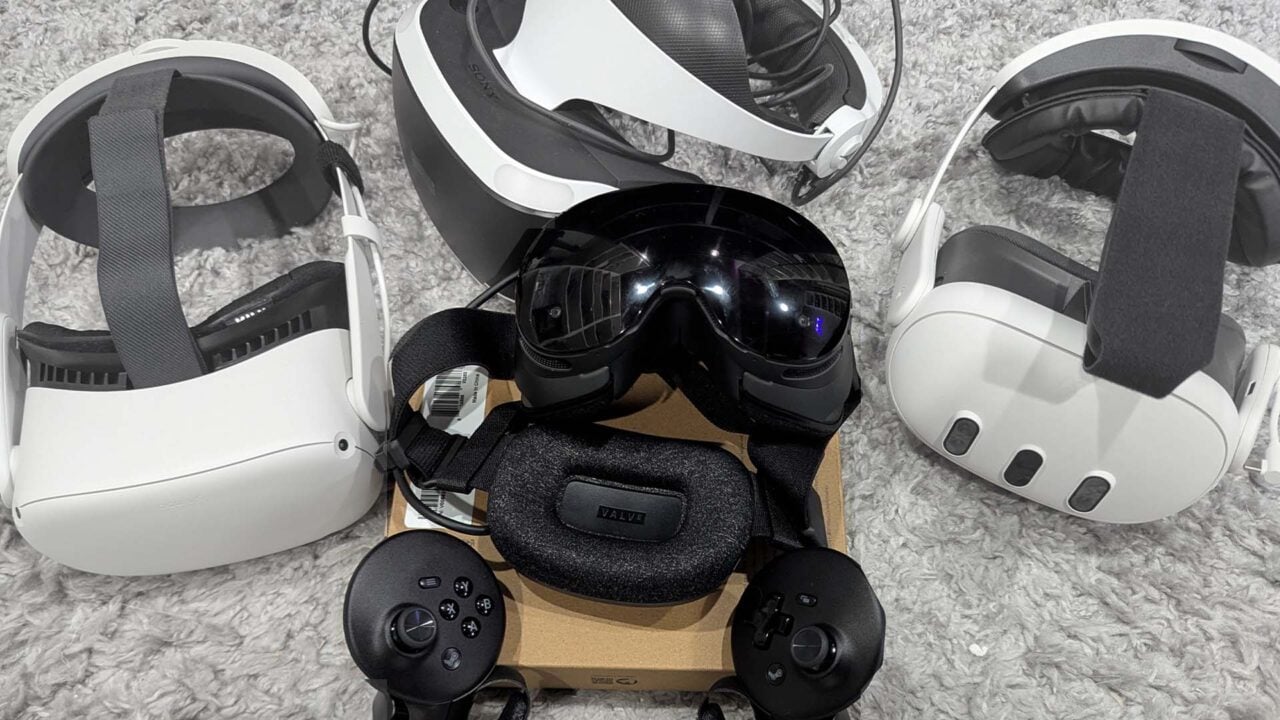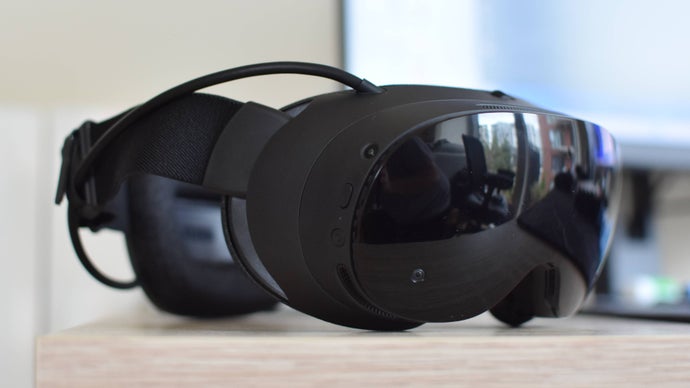
Valve has announced that it will not downgrade the specifications of the upcoming Steam Frame VR headset to offset rising costs. Despite the global memory shortage, the company prioritizes user experience over budget-friendly compromises.
- Valve decided against cutting Steam Frame VR specs to maintain product quality.
- Global RAM and component shortages are driving prices higher than expected.
- The headset utilizes a high-end Snapdragon SoC for standalone VR capabilities.
- Valve's strategy prioritizes performance over lower-cost, lower-spec alternatives.
In a move that underscores its commitment to premium hardware, Valve has confirmed that the upcoming Steam Frame VR headset will launch with higher-than-anticipated prices. This decision comes as the company navigates the ongoing global component crisis, specifically the severe shortage in the memory (RAM) market.
Unlike some competitors who are reverting to lower-RAM models or even DRAM-less configurations to keep retail prices down, Valve has taken a firm stance. The company stated that cutting specifications would not have been the "right product choice," even as manufacturing costs surged due to the worldwide shortage of affordable PC parts.
Why This Matters
BozokMedia analysis shows that Valve is positioning itself as a premium tier player in the VR market. By refusing to dilute the technical capabilities of the Steam Frame, Valve is betting that consumers will value a high-quality, seamless experience over a cheaper, underpowered device. This is a high-stakes gamble in a market where the Meta Quest 3 offers a formidable, budget-friendly alternative.
Valve believes that delivering a compromised experience is a greater risk than charging a premium price.
According to Frame engineer Josh Hudson, the decision was influenced by the advanced stage of development when the memory crisis hit. The team had already optimized the system around a specific Snapdragon SoC (System-on-a-Chip) setup. Altering these core components late in the project would have undermined the very experience they aimed to deliver.
Technically, the Steam Frame functions as a standalone VR kit. By integrating the CPU, GPU, and RAM into a single SoC—similar to high-end smartphones—it can run visually demanding titles like Half-Life: Alyx without needing a tethered PC. While its graphical prowess may not exceed the Steam Deck, it is designed to provide a robust, high-fidelity standalone experience.
This philosophy is consistent with Valve's recent hardware releases, including the Steam Deck OLED and the new Steam Controller. The company's leadership, including developer Pierre-Loup Griffais, emphasizes that the value lies in unlocking new ways for users to engage with their Steam libraries across different form factors.
Frequently Asked Questions
1. Why is the Steam Frame more expensive than expected?
The price increase is a direct result of the global shortage of RAM and other critical semiconductor components.
2. How does it compare to the Meta Quest 3?
While the Meta Quest 3 is a more affordable rival, Valve claims the Steam Frame offers superior technical performance and usability.