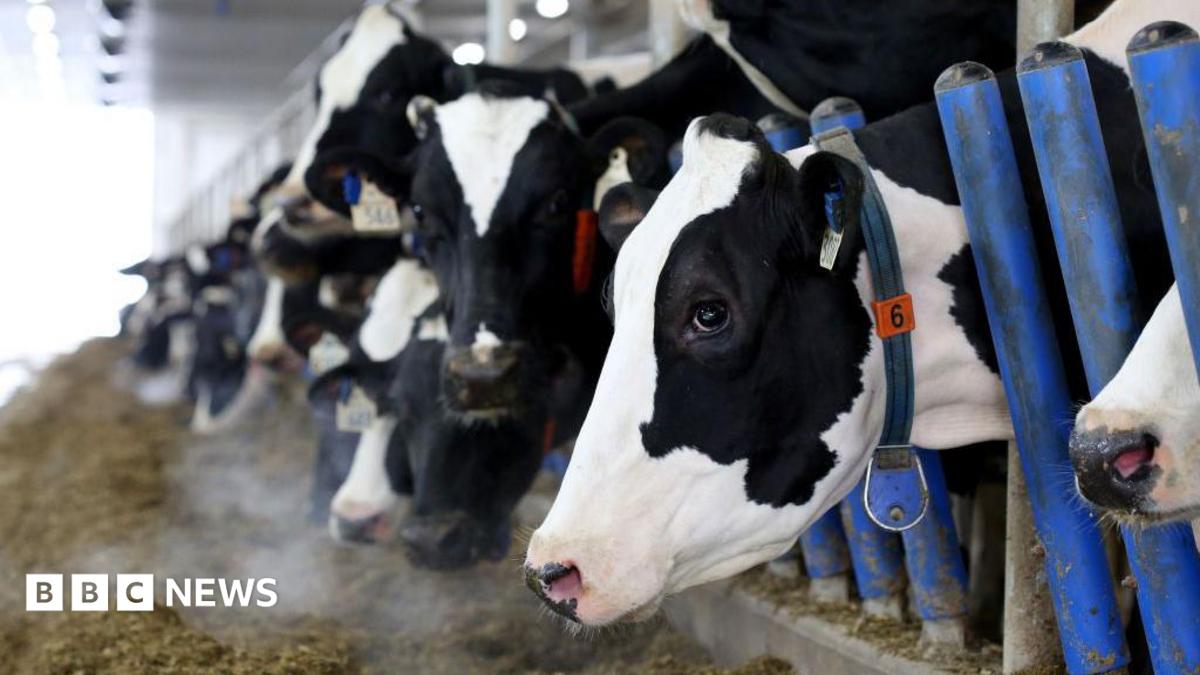
The United States plans a 50% tariff on $20 bn of Canadian dairy imports, spotlighting Trump’s criticism of Canada’s supply‑management system. The move threatens economic stability for farmers and consumers on both sides of the border.
Key Takeaways
- The U.S. announced a 50% tariff on $20 bn worth of Canadian dairy products.
- Canada’s supply‑management system, in place since the early 1970s, guarantees farmers stable income.
- Trump’s policy could disrupt trade, pricing, and livelihoods for both nations.
Canada’s dairy policy is one of the most politically sacrosanct measures in the country. Established in 1972, the supply‑management system uses production quotas, fixed pricing, and import limits to protect domestic producers and ensure a steady supply of milk, cheese, and eggs. President Donald Trump has now singled it out as a primary “irritant” to justify a sweeping 50% tariff on $20 bn of Canadian dairy goods slated for August.
Historical Background
Supply‑management was introduced across many Commonwealth nations in the early 1970s to shield small family farms from volatile global markets. While Australia and New Zealand eventually abandoned the model, Canada retained it, creating provincial marketing boards that set prices and allocate quotas. This system has helped maintain predictable farmer incomes and kept domestic dairy prices relatively stable compared with many other food categories.
Why This Matters (इसके मायने क्या हैं)
According to BozokMedia analysis, the tariff will likely raise dairy prices for American consumers while limiting market access for Canadian producers, potentially sparking a trade dispute that could ripple through other sectors. The economic strain may also exacerbate inflationary pressures in both economies, forcing policymakers to weigh political pressure against long‑term food security.
Conversely, if Canada were to loosen or dismantle its supply‑management framework, domestic dairy prices could fall, offering consumers more choices. However, such reforms could jeopardize the financial stability of small‑scale farmers who rely on the predictable income the system provides. Balancing these competing interests will be a defining challenge for upcoming trade negotiations.
"If Canada relaxes its supply management, both domestic prices and farmer incomes could face unprecedented volatility," says agricultural economist Dr. Priya Nair.
Comparison Table
| Aspect | Current Situation | Proposed Change |
|---|---|---|
| U.S. access to Canadian dairy market | 3.5% tariff‑free quota | 50% tariff on $20 bn of imports |
| Canadian dairy price control | Supply‑management with set prices | Potential deregulation if Canada concedes |
Frequently Asked Questions (अक्सर पूछे जाने वाले प्रश्न)
Q1: Will Trump’s tariff be implemented immediately?
A: The tariff is slated for August, but legal challenges and bilateral talks could delay its enforcement.
Q2: Could the tariff lead to lower dairy prices in Canada?
A: If Canada relaxes its supply‑management, prices might drop, but farmer incomes could also be adversely affected.