Massive protests in Noida's industrial zones over wage disparities and labor exploitation have forced the UP government to announce a 20-21% hike in minimum wages.
- Noida workers are demanding a significant hike in minimum wages and the enforcement of 8-hour workdays.
- The crisis was triggered by the wage gap between Uttar Pradesh and neighboring Haryana.
- The UP government has announced a 20-21% retroactive wage increase to pacify protesters.
- Issues include contractor exploitation, lack of written contracts, and excessive overtime.
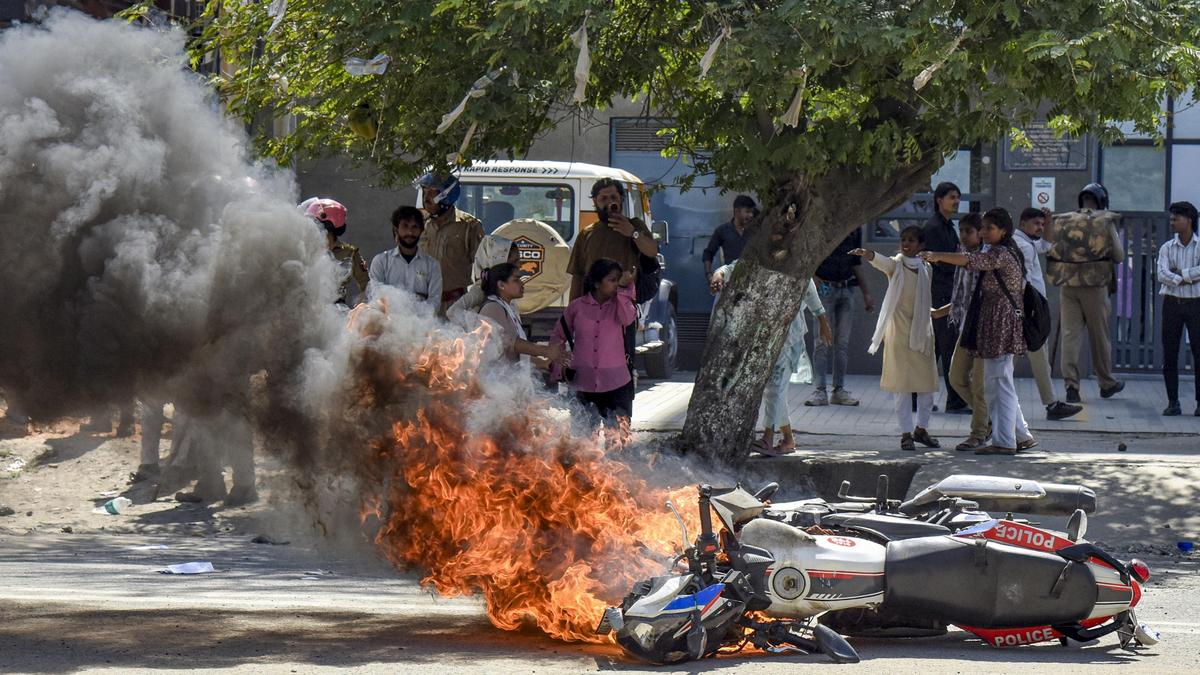
The labor unrest in Noida, which escalated into widespread violence on April 13, has emerged as a critical challenge for the Uttar Pradesh administration. Driven by intense dissatisfaction over stagnant wages and deteriorating working conditions, the protests have paralyzed key industrial zones. The unrest has also extended to domestic workers in high-rise residential complexes like Cleo County, demanding equitable pay.
The Wage Gap Catalyst
A primary driver behind the escalation was the recent policy shift in Haryana. The Haryana government increased its minimum monthly wage by 35%, raising it from approximately ₹14,000 to ₹19,000. This move left Noida workers, who perform similar labor for only ₹11,000 to ₹13,000, feeling economically marginalized. The disparity became even more acute due to rising inflation in essential goods and LPG prices caused by global geopolitical tensions.
Why This Matters
BozokMedia analysis shows that this is not merely a dispute over numbers, but a systemic outcry against the informalization of the workforce. While Noida is positioned as a premier investment hub, the lack of job security, absence of written contracts, and the prevalence of exploitative middlemen suggest a disconnect between industrial growth and worker welfare.
The sudden surge in worker mobilization highlights a growing gap between regional economic policies and the actual cost of living for the grassroots workforce.
Systemic Grievances: Beyond the base pay, workers have highlighted severe violations of labor norms. Many reported being forced into 12-hour shifts instead of the statutory 8-hour workday, often without adequate overtime compensation. Furthermore, the role of contractors in skimming wages and the difficulty in accessing Employee Provident Fund (EPF) benefits have added fuel to the fire.
Wage Determination Framework
Minimum wages in Uttar Pradesh are governed by the Minimum Wages Act, 1948 and the Uttar Pradesh Minimum Wages Rules, 1952. The structure typically includes a base wage and a Variable Dearness Allowance (VDA). As the country moves toward the Code on Wages 2019, the central government is expected to set a national floor wage, which will serve as a mandatory minimum benchmark for all states.
| Feature | Noida (Pre-Protest) | Haryana (Post-Increase) |
|---|---|---|
| Approx. Min Wage | ₹11,000 - ₹13,000 | ₹19,000 |
| Primary Grievance | Low Pay/High Inflation | N/A |
Frequently Asked Questions
1. How has the UP government responded to the Noida protests?
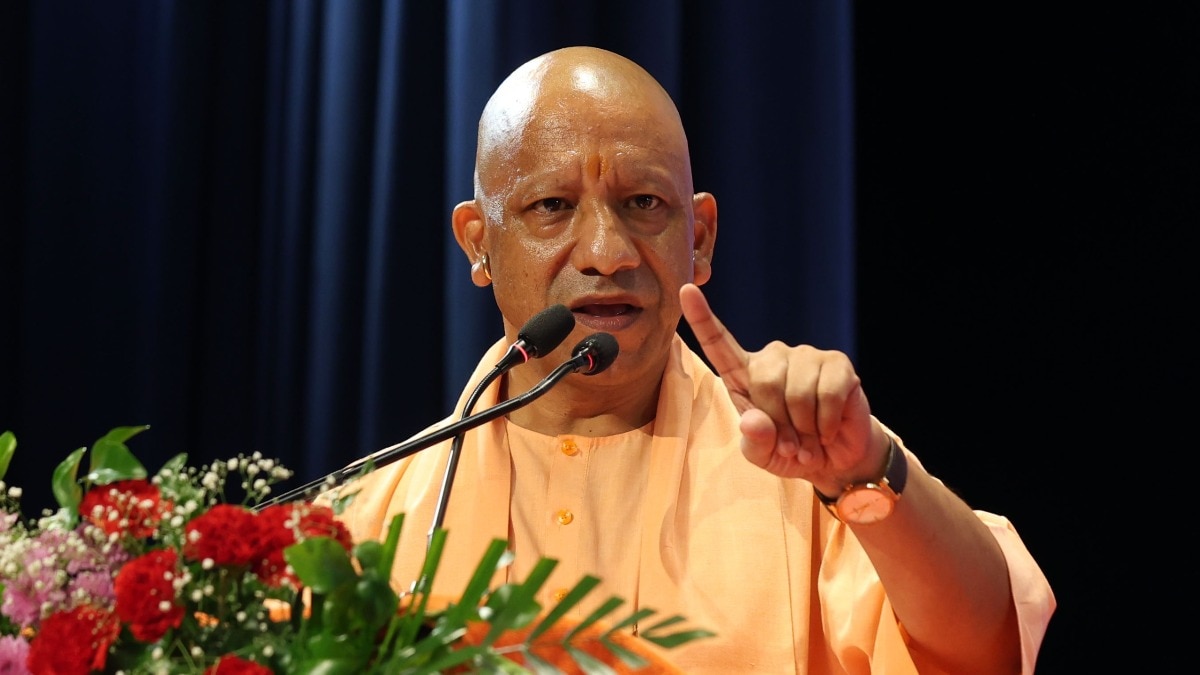
Chief Minister Yogi Adityanath has fast-tracked an interim wage increase of 20-21% for the Noida and Ghaziabad regions, effective retroactively from April 1.
2. What are the primary demands of the protesting workers?
Workers are demanding a monthly minimum wage of ₹20,000-₹26,000, direct hiring by companies to bypass contractors, and strict overtime pay regulations.