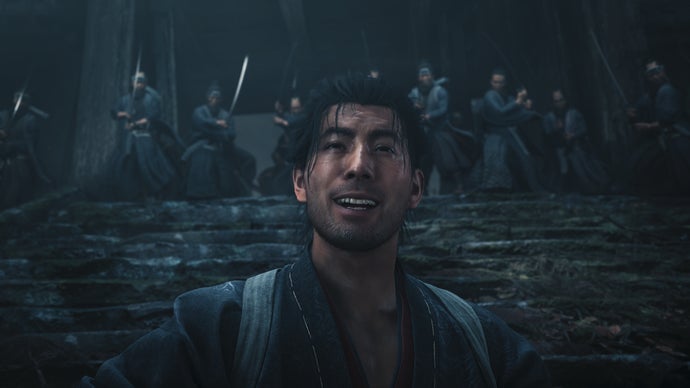
Onimusha: Way of the Sword offers a chaotic and delightful start, but struggles to maintain its unique energy throughout its journey. Is the gameplay enough to mask the tonal shifts?
- The game features a brilliantly chaotic and humorous opening sequence.
- Combat mechanics, especially sword-deflecting, are world-class and highly reactive.
- The game suffers from tonal inconsistency, shifting between horror and shonen-style action.
- The semi-open world structure can occasionally hinder the game's pacing.
The opening minutes of Onimusha: Way of the Sword are nothing short of glorious, primarily because they are utterly shambolic. As the wandering ronin Musashi, players find themselves in a series of absurd situations—from being chased through a muddy village to using improvised weapons like wheelbarrows to fight ancient evils. It is this brash, goofy energy that sets it apart from the sea of overly serious fantasy slashers.
The Mechanics of Combat
BozokMedia analysis shows that underneath the occasional silliness lies a masterfully constructed action adventure. The sword-deflecting mechanics are among the smoothest in the genre. The combat is heavily physical; you can redirect a charging enemy into another with a well-timed parry, creating a sense of weight and impact that feels almost cartoonish in its effectiveness. This 'prop-fu'—using environmental objects like boards and barrels—adds a layer of tactical fun that the game occasionally misses later on.
The game's greatest strength is how it weaponizes physics to turn a standard duel into a chaotic, memorable encounter.
However, the game struggles with its identity. One moment, it feels like macabre feudal horror, and the next, it feels like a high-octane shonen manga. This tonal whiplash, combined with a semi-open world structure in Kyoto that often feels like navigating corridors, can lead to periods of stagnation where the player is simply following map markers without much excitement.
Historical and Cinematic Roots
A significant part of the game's charm comes from its visual storytelling. The character of Musashi is animated with incredible detail, drawing heavy inspiration from the expressive facial contortions of samurai cinema icon Toshiro Mifune. Whether he is squeezing through a narrow hideyhole or wearing a look of utter bewilderment, the animation brings a level of humanity to the character that is rare in modern action games.
| Element | Experience in Way of the Sword |
|---|---|
| Combat Fluidity | Exceptional and highly reactive |
| Narrative Tone | Inconsistent (Horror vs. Comedy) |
| World Design | Semi-open, occasionally restrictive |
While the pacing is sometimes interrupted by excessive cutscenes and NPC dialogues, the game has a knack for self-correction. Just as the momentum begins to sag, a boss encounter with the manic energy of a Metal Gear Rising antagonist arrives to reignite the excitement.
Frequently Asked Questions
1. Does the game have an open world?
It features a semi-open world structure set in Kyoto, though much of the movement feels linear.
2. Is the combat difficult?
The combat requires precision, particularly with the parry mechanic, making it challenging but rewarding.


