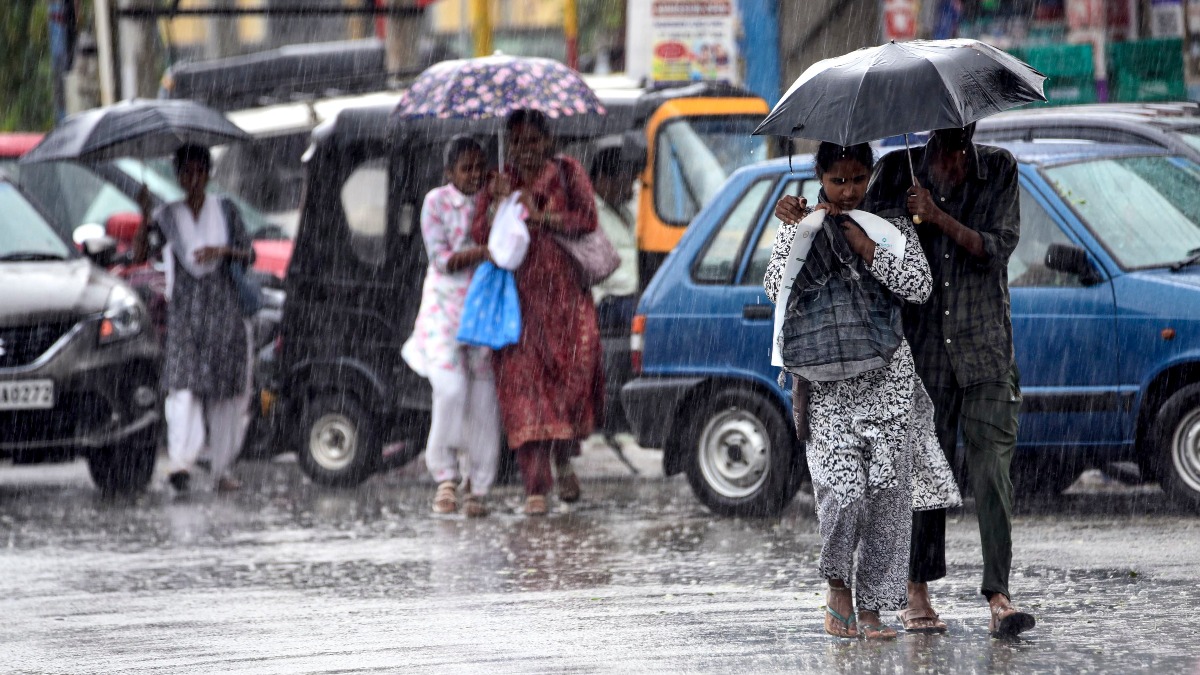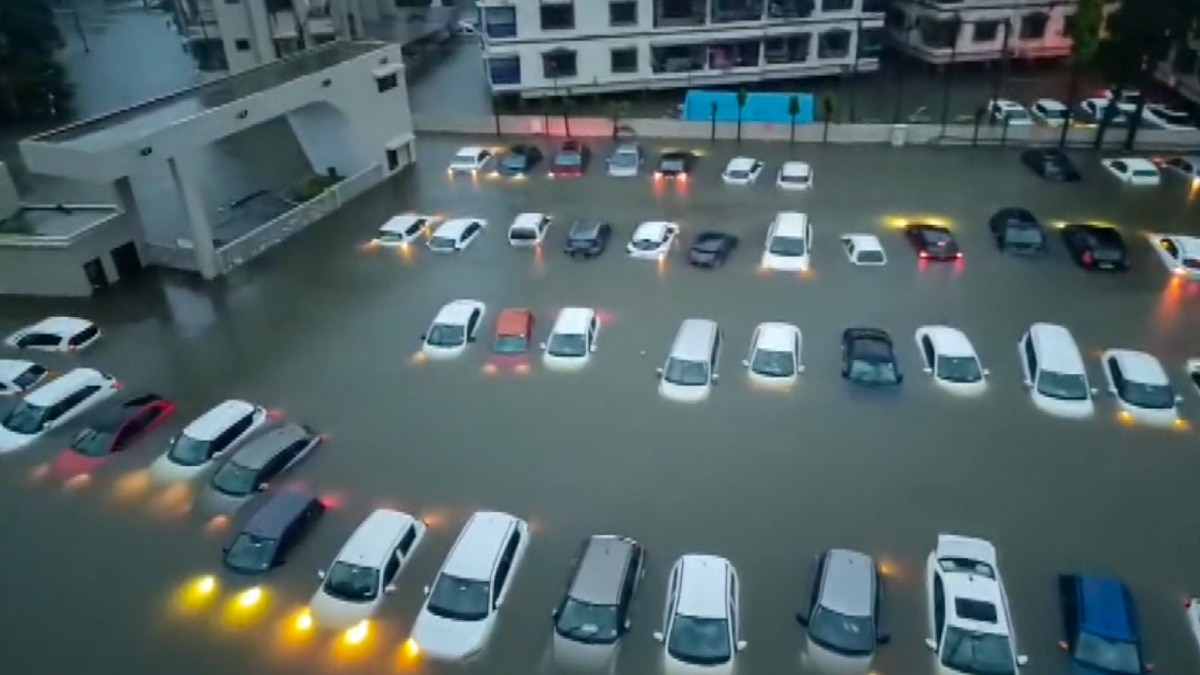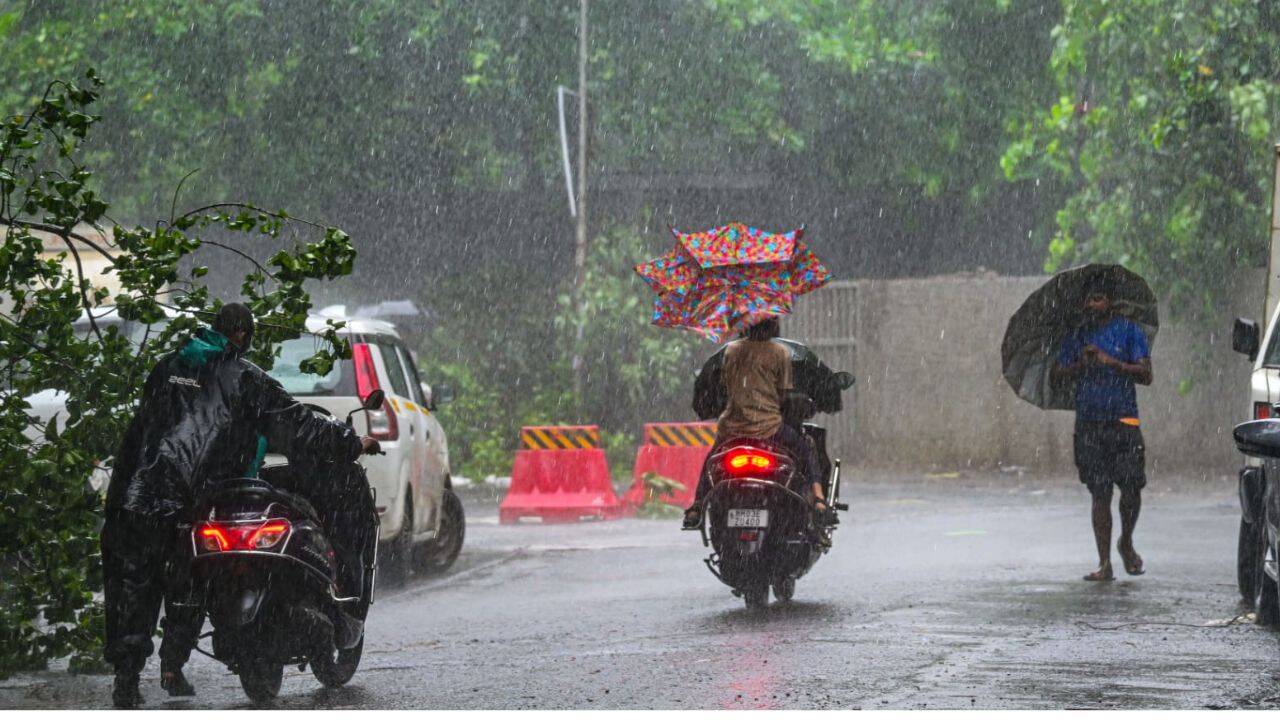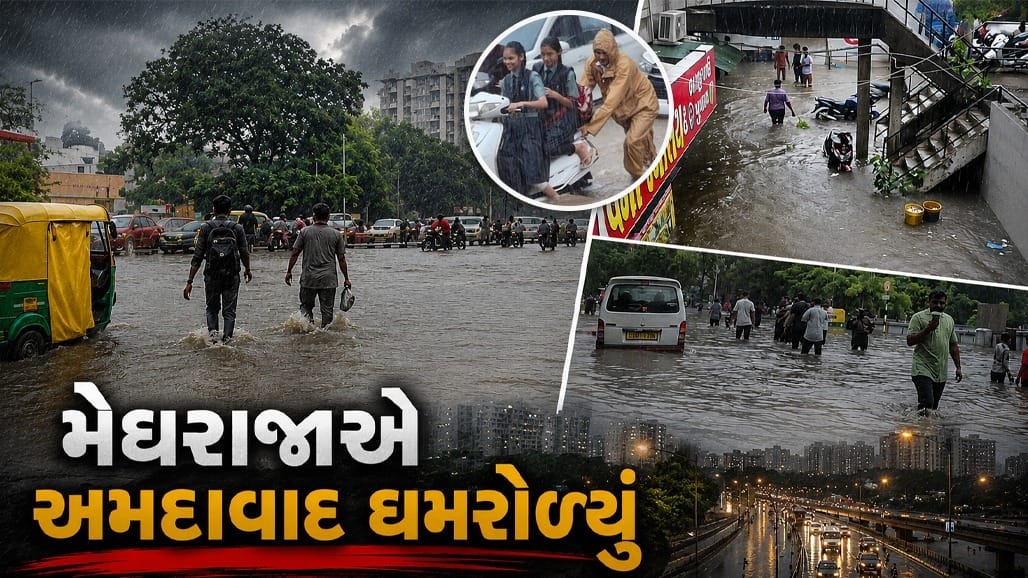
Heavy rain began early this morning in Ahmedabad, dumping more than five inches within six hours. Flooded roads and underpasses caused major traffic snarls, prompting authorities to order schools and colleges to release students early for safety.
Key Takeaways
- More than 5 inches of rain recorded in six hours
- Multiple roads and underpasses flooded, causing traffic jams
- Schools and colleges instructed to dismiss students early for safety
Rainfall Intensity and Statistics
From early morning, Ahmedabad experienced intense rainfall across its districts. Mandal logged 1.69 inches, Bopal 1.99 inches, while Sarakhej reported a staggering 5.91 inches – the highest in the city’s recent history.
Impact on Roads and Underpasses
The S.G. Highway, Maninagar and several other key arteries faced water‑logging. Three gates of the Vasna barrage were opened and a number of underpasses were closed to prevent accidents. Traffic congestion crippled daily commutes.
Police Rescue Operations
Amidst the deluge, Ahmedabad police deployed rescue teams to escort stranded students and commuters to safety. School buses were rerouted, and ambulances positioned at critical points to assist any emergencies.
Directive to Educational Institutions
The city’s DEO issued a clear advisory: schools and colleges located in flood‑affected zones must prioritize student safety and authorize early dismissal. This guidance applies to primary schools through higher‑education institutions alike.
Historical Background
July‑August typically sees an average rainfall of about 300 mm in Ahmedabad. However, the 2026 event surpassed records set in 1994 and 2005, when rainfall during the same period stayed below 4 inches. This unprecedented intensity underscores shifting climate patterns.
Why This Matters
BozokMedia analysis shows that such unprecedented rainfall strains urban drainage systems, disrupts economic activities, and raises urgent questions about climate resilience planning in rapidly growing Indian metros.
"Ahmedabad’s climate is now showing extreme rainfall spikes, demanding immediate upgrades to its drainage and emergency response infrastructure," says Dr. Ravi Shah, climate specialist.
Frequently Asked Questions
- How much rain fell? Mandal reported 1.69 inches, Bopal 1.99 inches, and Sarakhej peaked at 5.91 inches.
- What should schools do? They should ensure early dismissal, avoid sending buses through flooded routes, and keep students away from open electrical wires.