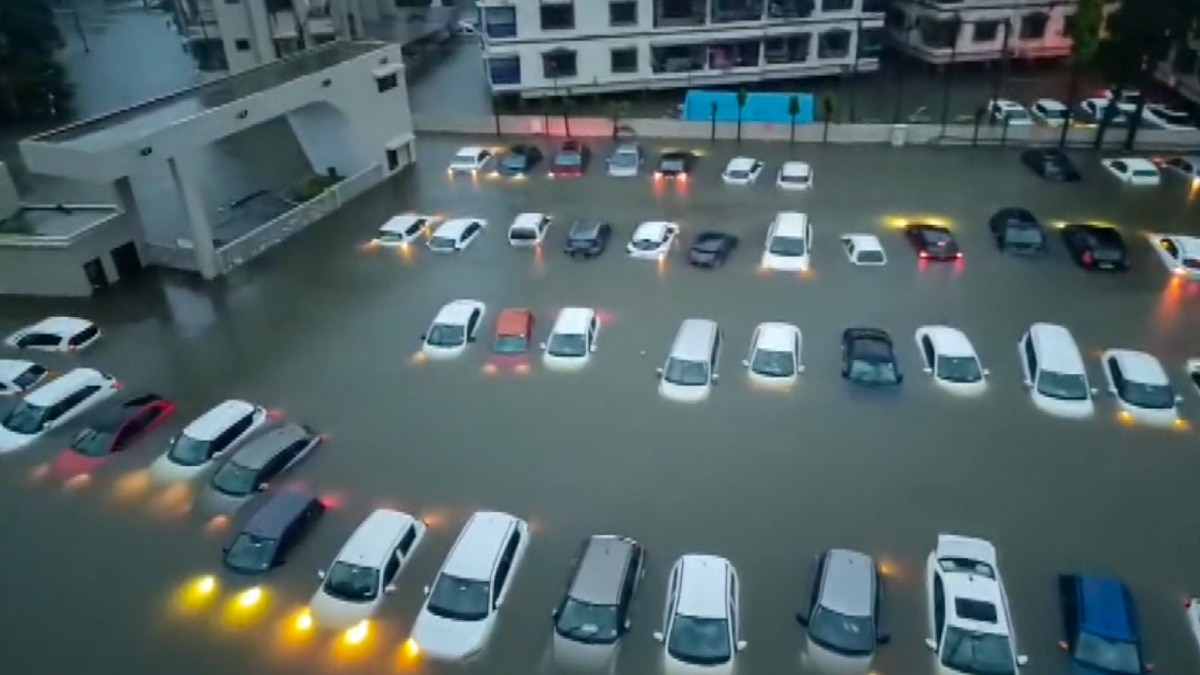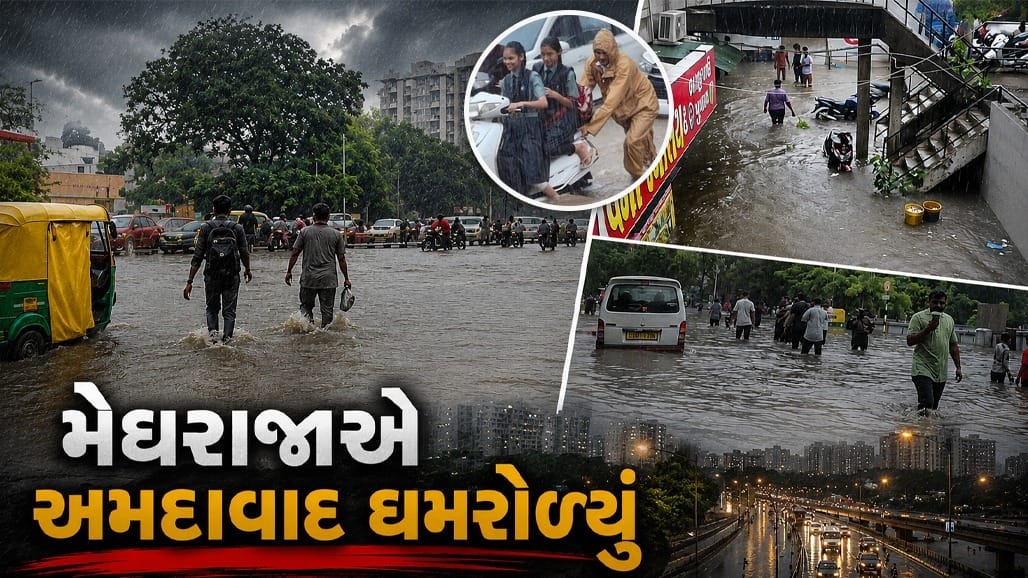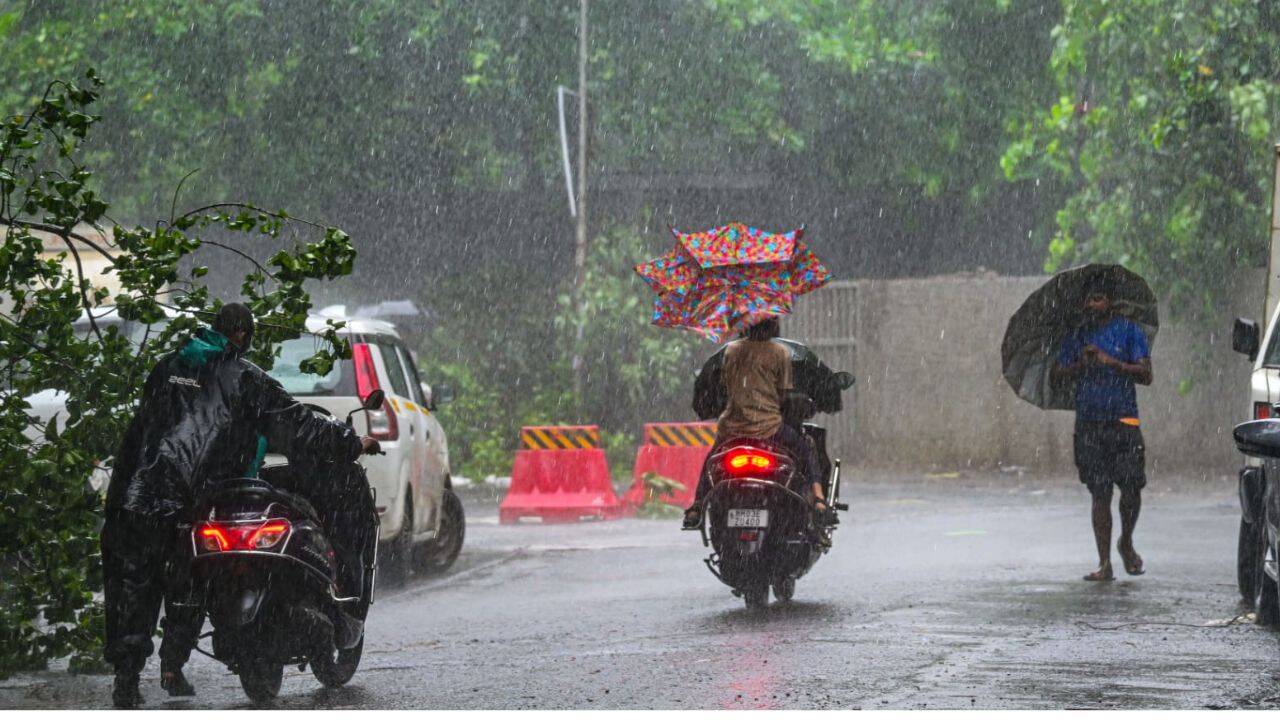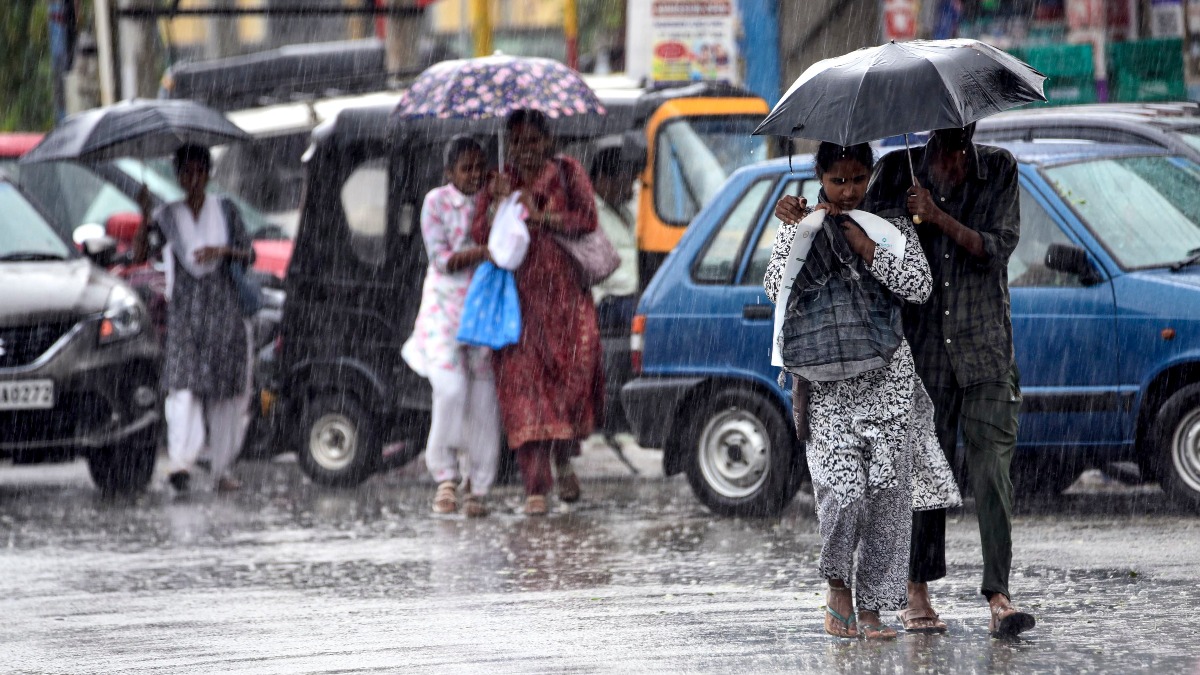
Gujarat has been placed under a red monsoon alert as record‑breaking rainfall triggers flash floods. The Indian Meteorological Department urges extreme caution, warning that heavy to very heavy rain will continue in the coming days.
Key Takeaways
- Valsad, Gujarat received 906 mm of rain in 24 hours
- IMD issued a statewide red alert
- More heavy to very heavy rainfall expected in the next days
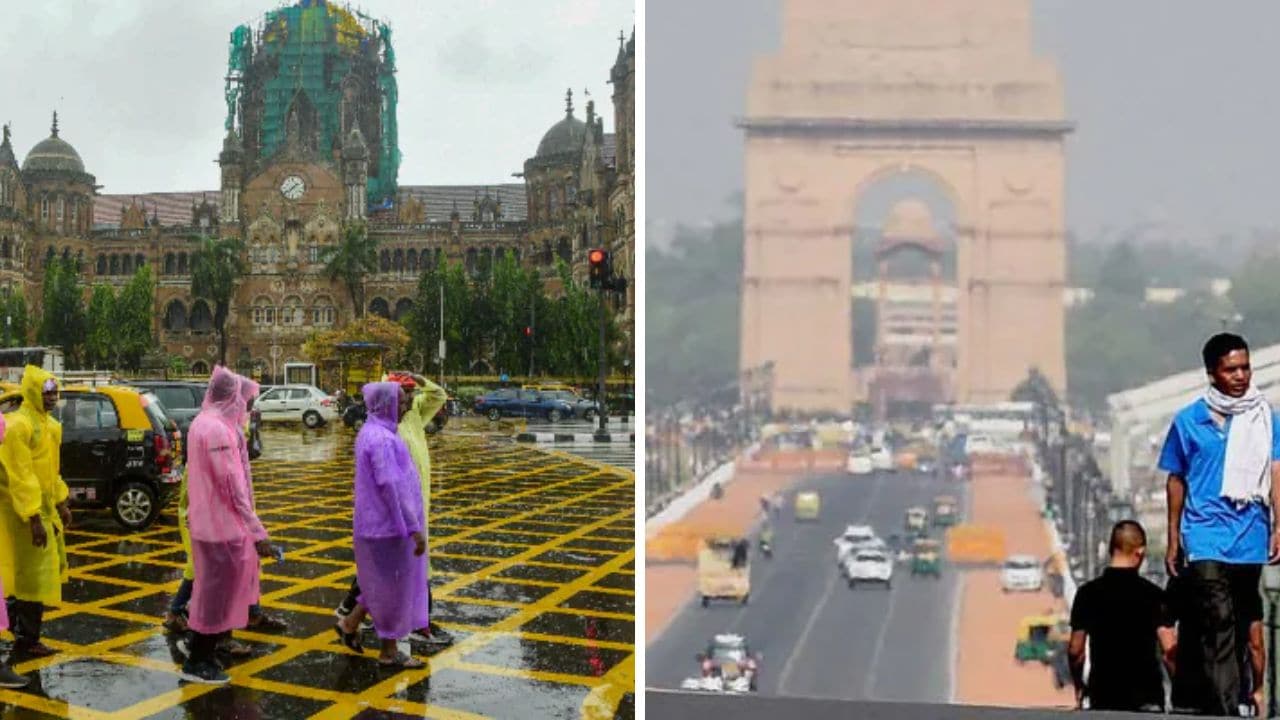
After a sluggish start and a prolonged lull over western India, the southwest monsoon has surged back with force. Gujarat is battling record‑breaking rain, flash floods, and widespread disruption, while Maharashtra also faces heavy showers that have inundated low‑lying areas.
Historical Background
Gujarat has experienced severe monsoon years in 1990, 2007, 2010 and 2020, but the 2026 deluge eclipses previous records. Valsad’s 906 mm in a single day matches Delhi’s average annual rainfall, underscoring the intensifying monsoon driven by climate variability.
Comparison Table
| Location | Rainfall in 24 hrs (mm) | Average Annual Rainfall (mm) |
|---|---|---|
| Valsad, Gujarat | 906 | 800 (Delhi) |
| Delhi (average) | 800 | 800 |
Meteorologists attribute the deluge to a stalled monsoon system fed by moisture from the Arabian Sea, a pattern that has become more frequent in recent years.
Why This Matters
BozokMedia analysis shows that this extreme monsoon event threatens agricultural output, critical infrastructure, public health, and the regional economy, demanding swift mitigation measures.
"Such intense rainfall patterns are clear indicators of accelerating climate change, and immediate adaptation strategies are essential," says Dr. Ravi Singh, climate expert.
Frequently Asked Questions
Q1: Will the flood risk increase over the next 48 hours?
A: IMD warns that heavy to very heavy rain will persist, raising the likelihood of further flooding.
Q2: Which agencies are leading the relief operations?
A: The National Disaster Management Authority (NDMA), State Disaster Management Authority (SDMA), and local volunteer groups are coordinating relief efforts.