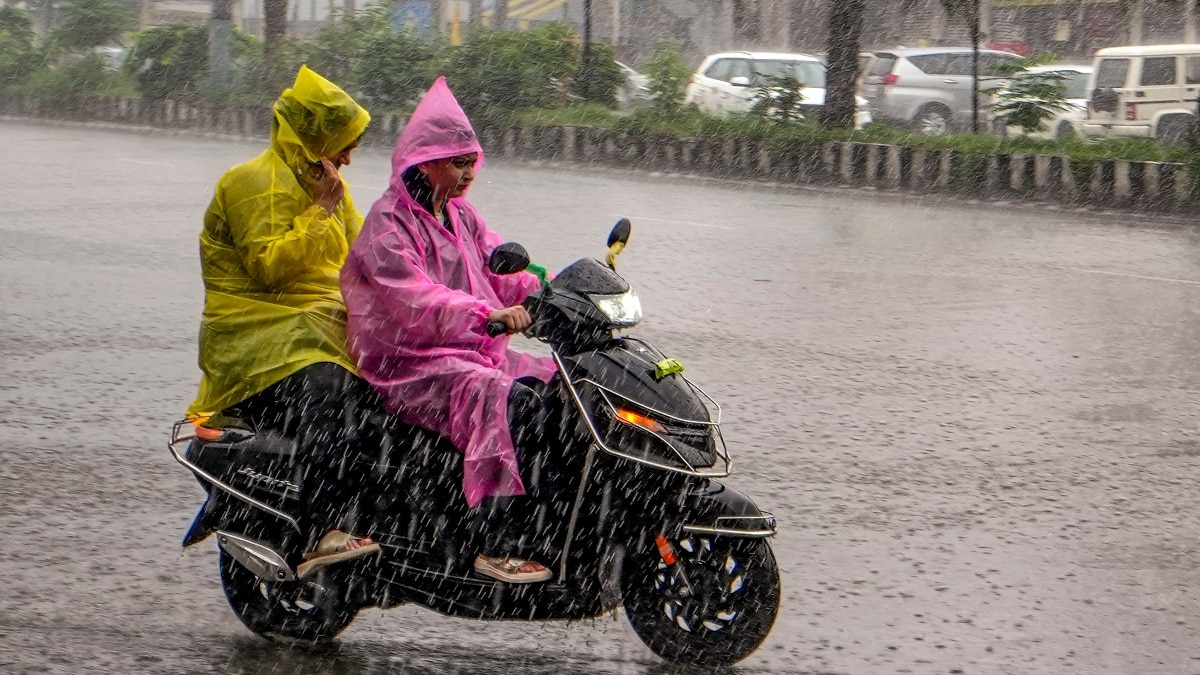
The India Meteorological Department (IMD) has issued an alert for intense rainfall across several districts of Uttar Pradesh on July 30. Residents are urged to stay vigilant as flood risks rise.
Key Takeaways
- Heavy rain expected in 10 districts of Uttar Pradesh on July 30
- Wind speeds may reach up to 60 km/h
- IMD alerts call for heightened preparedness
The India Meteorological Department (IMD) released a weather alert this morning forecasting heavy rain across ten districts of Uttar Pradesh on July 30. The warning projects 70‑80 mm of rainfall on average within the next nine hours, with localized peaks possibly exceeding 100 mm.
Key affected districts include Varanasi, Ghazipur, Ballia, Bareilly, Sultanpur, Fatehpur, Kannauj, Mainpuri, Budaun and Saurikh. Strong winds up to 60 km/h could lead to fallen trees and damage to temporary structures.
IMD officials noted that this year’s monsoon has shown a marked shift, bringing more intense activity to eastern Uttar Pradesh while the western regions experience relatively lighter showers.
Historical Background
Over the past decade, Uttar Pradesh has seen a 15 % increase in monsoon intensity. In 2019, a similar period witnessed over 150 mm of rain in Varanasi, causing drainage challenges. Past alerts have helped authorities mobilize resources promptly.
Why This Matters
BozokMedia analysis shows that such sudden monsoon shifts can exacerbate flood risks in densely populated districts, impacting agriculture, transportation, and public health. Immediate preparedness can mitigate economic losses and safeguard lives.
"Early district‑level warnings and proactive measures are crucial to reduce flood impact," said meteorologist Dr. Rajesh Singh.
Frequently Asked Questions
Q1: Will schools and public services be affected by the rain?
A: Local authorities recommend temporary school closures and increased monitoring of public facilities.
Q2: What steps can farmers take to protect their crops?
A: Farmers should follow IMD alerts, improve field drainage, use protective nets, and adopt water‑management practices.