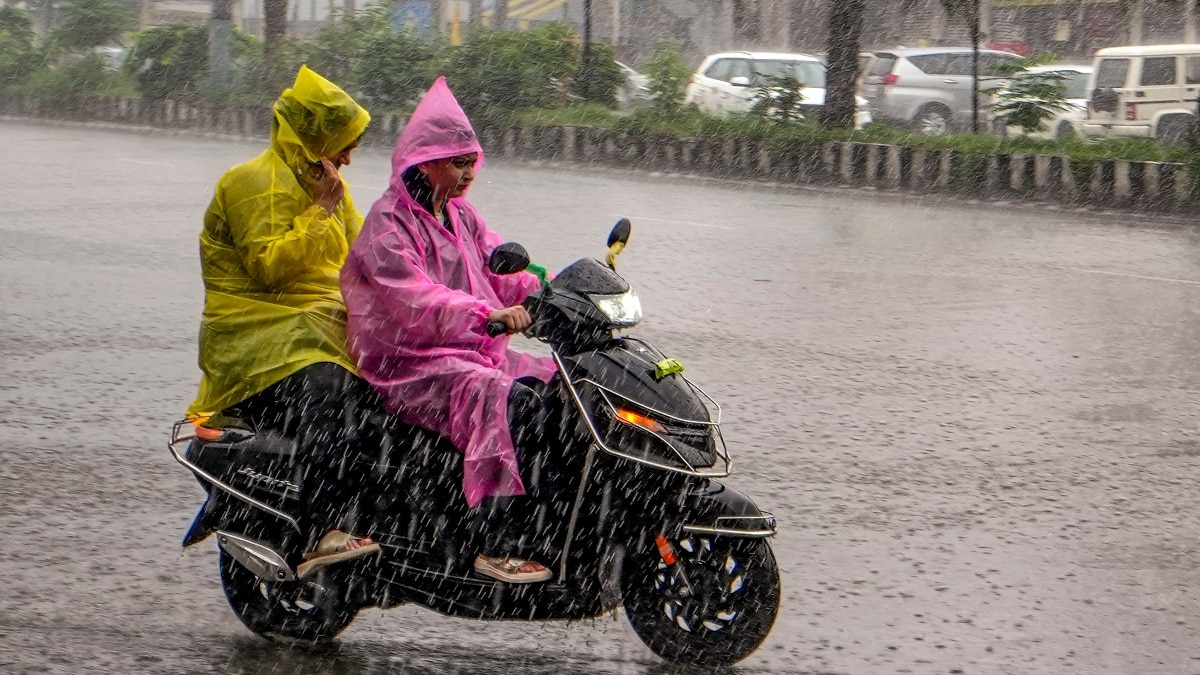
While India's national monsoon deficit stands at 13%, a closer look reveals a massive divide between rain-drenched eastern states and drought-stricken northern regions.
- India's southwest monsoon is currently 13% below the seasonal normal.
- Severe rainfall deficits are reported in Haryana (-45%) and Bihar (-40%).
- States like Odisha and Jammu & Kashmir are seeing surplus rainfall.
- Heavy rain systems are currently active over Central and Eastern India.
The official data from the Indian Meteorological Department (IMD) indicates that India's southwest monsoon is 13% deficient. Between June 4 and August 21, the country received 537.6 mm of rainfall against the normal expected 619 mm. However, this single percentage masks a complex and highly uneven reality across the subcontinent.
The monsoon's performance is far from uniform. While the national average suggests a moderate deficit, the geographical distribution reveals a stark chasm. Some regions are experiencing surplus moisture, while others are facing critical shortages that could impact agricultural output and groundwater levels.
The Great Divide: Surplus vs. Deficit
The disparity between states is alarming. On one hand, Odisha has recorded 25% more rainfall than normal, and Jammu and Kashmir is 6% above the norm. On the other hand, several key agricultural belts are struggling with significant rainfall gaps.
| Region/State | Rainfall Status (vs Normal) |
|---|---|
| Odisha | +25% (Surplus) |
| Jammu & Kashmir | +6% (Surplus) |
| Haryana | -45% (Deficit) |
| Bihar | -40% (Deficit) |
| Andhra Pradesh | -40% (Deficit) |
| Punjab | -32% (Deficit) |
BozokMedia analysis shows that while recent weather systems in Central and Eastern India have prevented the national deficit from spiraling out of control, they have failed to provide relief to the western and northern corridors.
Weather Forecast and Active Systems
A new weather system is currently building across Central and Eastern India. The IMD has predicted heavy to very heavy rainfall for East Madhya Pradesh and Chhattisgarh through August 26. Similarly, Jharkhand and Bihar are expected to see widespread activity in the coming days.
The unevenness of the monsoon is becoming a structural challenge for India's climate resilience and food security.
In the North, Delhi, Haryana, and Chandigarh are under heavy rain warnings. While the Northeast, including Assam and Meghalaya, remains drenched, the fragmented nature of these spells means that the overall deficit in many states remains difficult to erase quickly.
Historical Context of Monsoon Variability
Historically, the Indian monsoon has always been subject to spatial and temporal variability. However, recent years have shown an increasing trend of extreme weather events—where some areas face devastating floods while others suffer from prolonged droughts simultaneously, a phenomenon often linked to changing global climate patterns.
Frequently Asked Questions
1. Is the monsoon in India failing?
Not entirely; while there is a 13% national deficit, the issue is more about uneven distribution than a total failure.
2. Which states are most affected by the rain shortage?
Haryana, Bihar, and Andhra Pradesh are currently seeing the highest deficits.