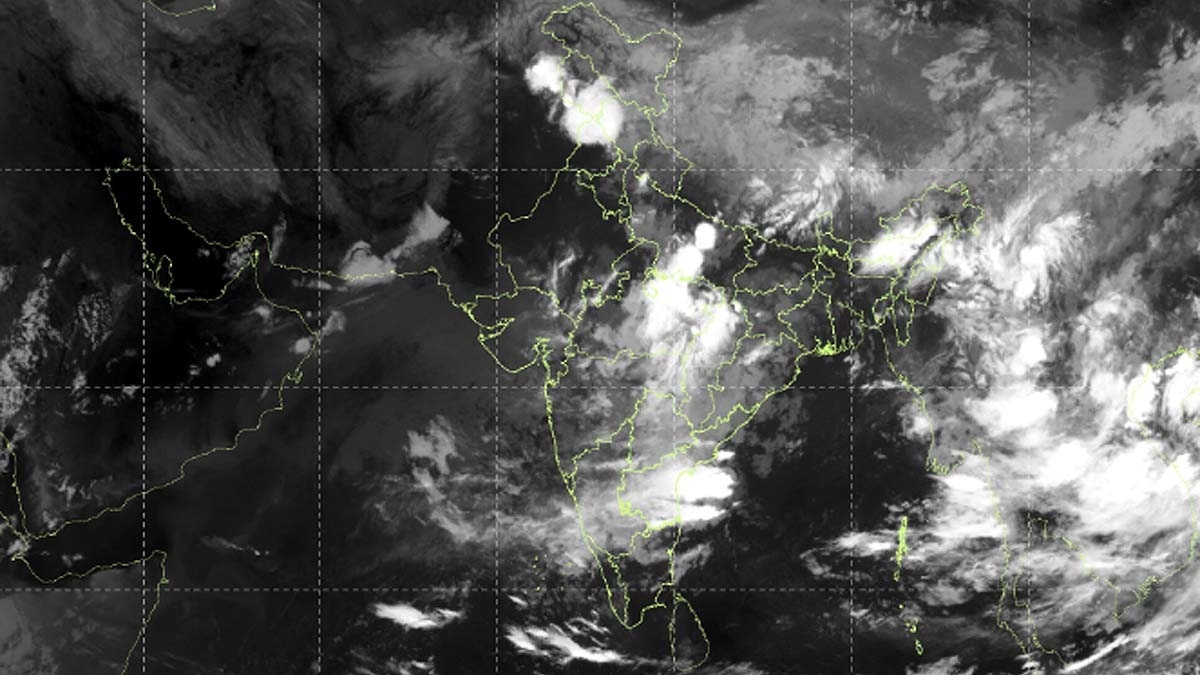
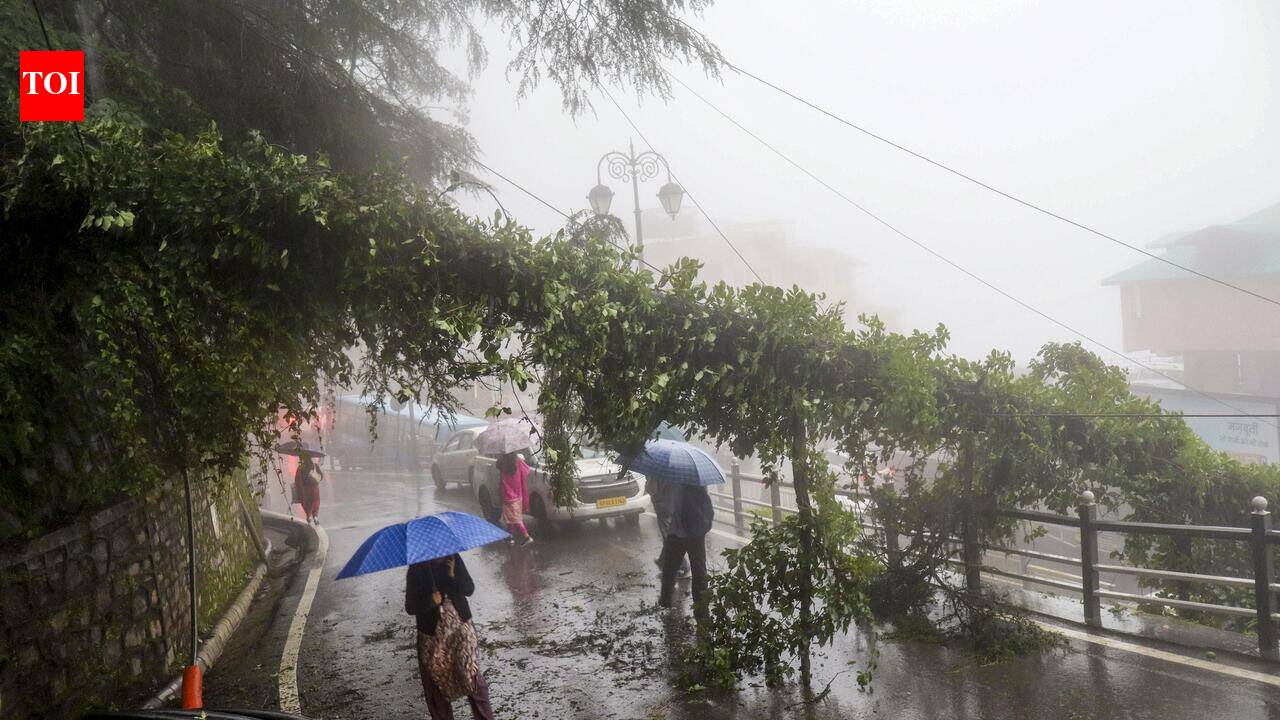
A severe weather warning has been issued for August 9, with IMD predicting heavy rainfall, thunderstorms, and lightning across several Indian states including Delhi-NCR and UP.
Key Takeaways
- Heavy to very heavy rainfall predicted for August 9.
- Red and Orange alerts issued by IMD for Delhi-NCR and UP.
- High probability of thunderstorms and lightning strikes.
- Yamuna river water levels rising, causing concern in low-lying areas.
The Indian monsoon has intensified significantly, bringing heavy downpours to various parts of the country. The India Meteorological Department (IMD) has issued severe weather warnings for August 9, forecasting heavy to very heavy rainfall accompanied by thunderstorms and lightning across several regions.
Crisis in Delhi-NCR
Following a Red Alert in Delhi, the city is now under Yellow and Orange alerts. The intensity of the rainfall in the first week of August has broken a 15-year record, leaving the Delhi-NCR region struggling with waterlogging and disrupted services. Furthermore, the Yamuna River is on the rise, posing a threat to residents in flood-prone areas.
Why This Matters
BozokMedia analysis shows that the combination of unprecedented rainfall and inadequate urban drainage systems creates a recurring disaster loop in metropolitan cities. This pattern not only halts daily life but also places immense pressure on the city's critical infrastructure.
Meteorological experts suggest that this year's monsoon intensity is significantly higher than the historical average, indicating a shift in seasonal patterns.
Uttar Pradesh and districts bordering Madhya Pradesh are also on high alert for Sunday. The active monsoon is expected to bring widespread rain, which could impact both urban mobility and rural agricultural activities.
Historical Background
The current rainfall data indicates that the first week of August has seen the highest precipitation levels in over a decade and a half. This surge is being closely monitored by climate scientists as a potential indicator of shifting monsoon dynamics due to global climate change.
Frequently Asked Questions
1. Which areas are most at risk?
Delhi-NCR, Uttar Pradesh, and parts of Madhya Pradesh are currently under the highest alert.
2. Should I travel tomorrow?
Due to potential waterlogging and lightning warnings, it is advised to avoid unnecessary travel during peak storm hours.