Dry winds blowing from Pakistan and North-West India are significantly reducing moisture levels, potentially leading to a rainfall deficit across several Indian states this September.
- Dry winds from Pakistan and North-West India are depleting moisture levels.
- States like Punjab, Haryana, Delhi-NCR, and Rajasthan are facing reduced rainfall.
- National rainfall is currently 13% below the seasonal average.
- The monsoon is entering its final phase, making deficit recovery difficult.
The South-West Monsoon in India is facing a significant challenge as dry winds from Pakistan and North-West India begin to dominate the weather pattern. These winds are actively reducing the moisture content in the atmosphere, leading to a noticeable decline in rainfall across several key regions. The impact is most prominent in Punjab, Haryana, Delhi-NCR, Rajasthan, Gujarat, and Western Madhya Pradesh.
Regional Disparity in Rainfall Patterns
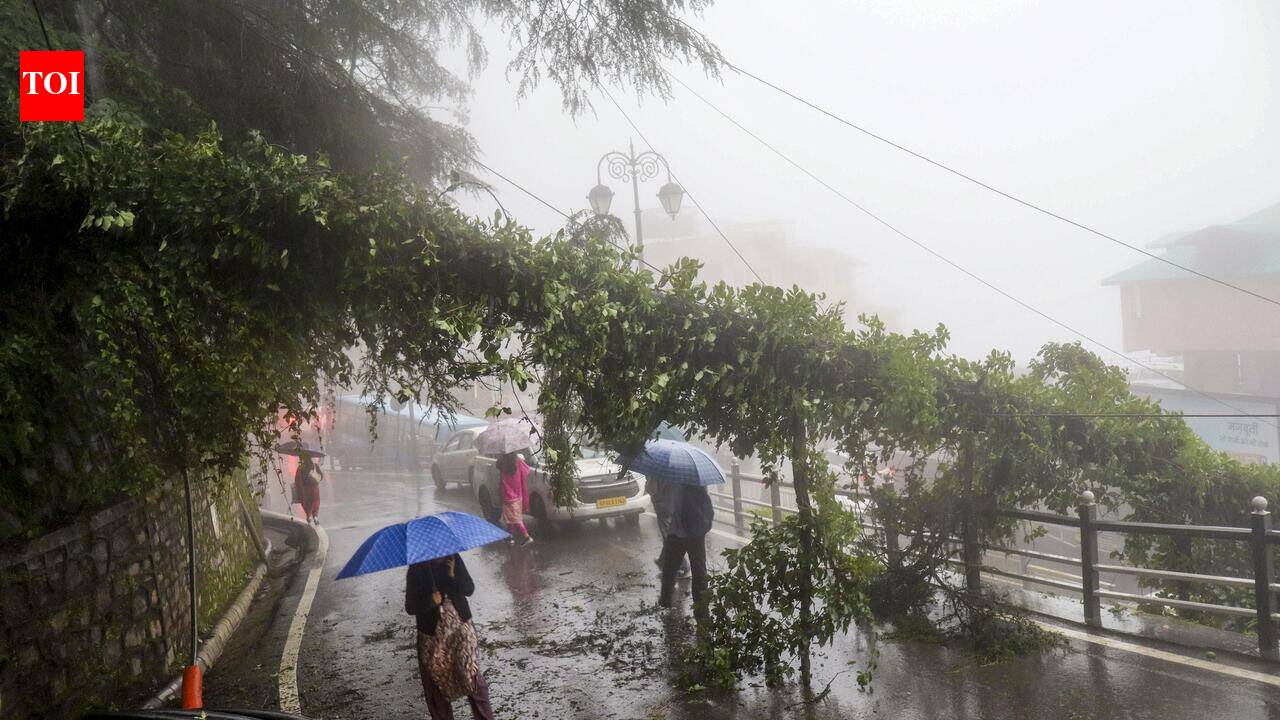
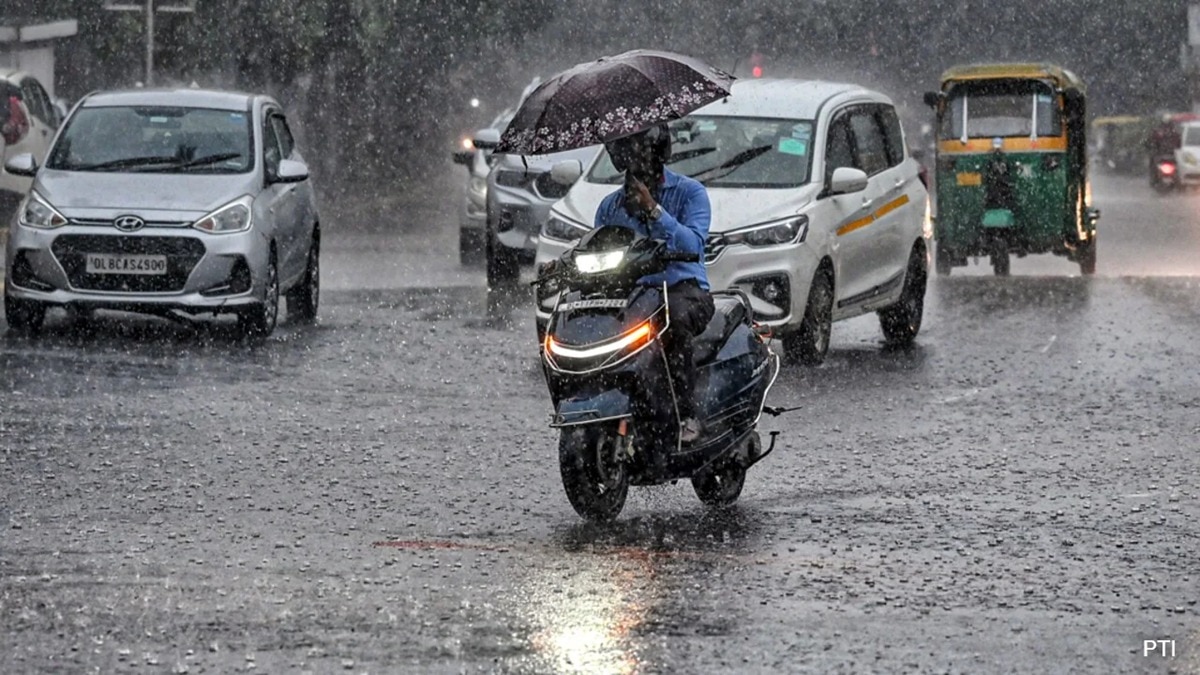
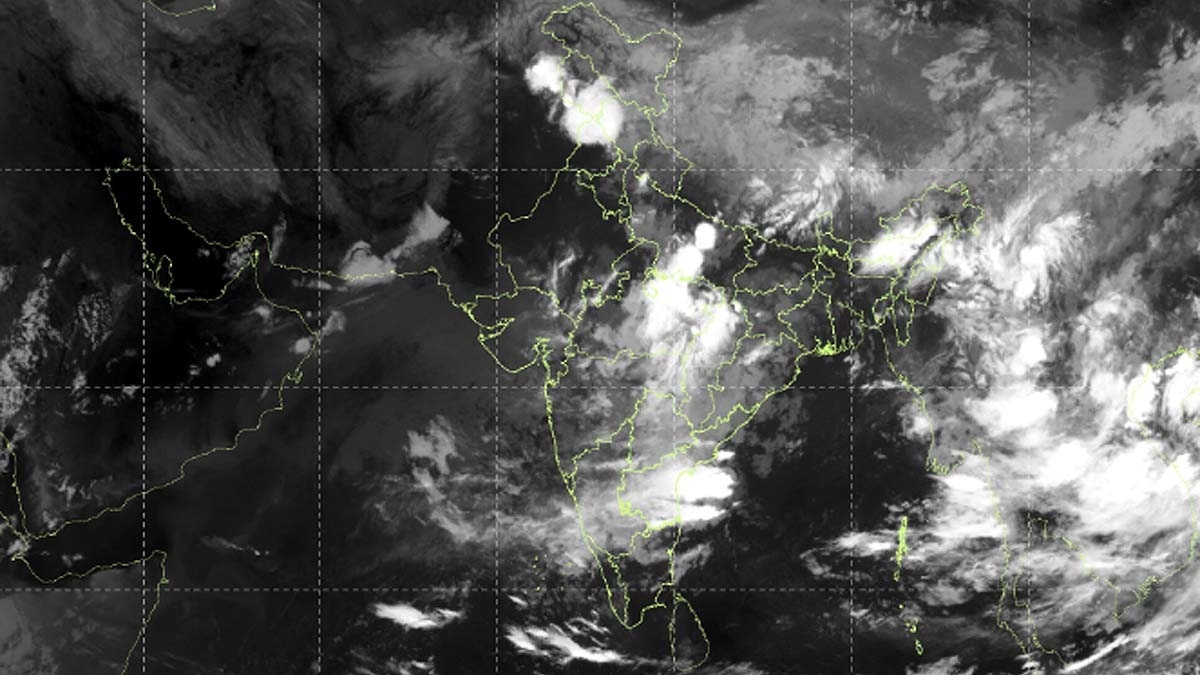
Meteorological data suggests a stark contrast in monsoon activity across the subcontinent. While the North-West is struggling with dryness, Eastern and Central India are expected to witness continued monsoon activity. States including Uttar Pradesh, Bihar, Jharkhand, Chhattisgarh, Odisha, West Bengal, and parts of the North-East are likely to receive significant rainfall in the coming days.
Why This Matters
BozokMedia analysis shows that this uneven distribution of rainfall poses a dual threat: localized flooding in the East and potential drought-like conditions in the West. This imbalance complicates water management strategies and could impact the sowing and harvesting cycles of essential crops in the North-Western belt.
The influx of dry continental air is effectively neutralizing the moisture-laden systems originating from the Bay of Bengal, hindering widespread precipitation.
As of now, India has recorded approximately 13% less rainfall than the seasonal average. With the monsoon steadily moving toward its withdrawal phase, there is a growing concern that the rainfall deficit may not be compensated in the remaining weeks of the season.
The 'Break Monsoon' Phenomenon
Weather experts are debating whether the current trend signifies a 'Break Monsoon' period. A break in the monsoon occurs when the monsoon trough shifts, leading to a temporary cessation or weakening of rainfall over large parts of the country. If the dry winds from the North-West persist through the end of August, September could see a prolonged period of moisture deficiency.
Frequently Asked Questions
1. Which regions are most affected by the dry winds?
North-Western India, specifically Punjab, Haryana, Rajasthan, and Delhi-NCR, is seeing the most impact.
2. Will this affect the overall monsoon statistics?
Yes, if the rainfall does not pick up in the North-West, the national average will remain below the long-period average.