Weather forecasting agency Skymet has issued a concerning outlook for the 2026 monsoon season, predicting below-average rainfall and a significant risk of drought across several Indian states.
- Skymet predicts the 2026 South-West monsoon will be weaker than average.
- Total rainfall for June-September is expected to be around 94% of the LPA.
- There is a 70% probability of drought-like conditions in certain regions.
- August and September are expected to see the most significant rainfall deficit.
In a development that could significantly impact India's agrarian economy, weather forecasting agency Skymet has released its comprehensive monsoon forecast for 2026. According to the agency, the South-West monsoon is projected to be weaker than the Long Period Average (LPA). The forecast suggests that total rainfall between June and September may hover around only 94% of the LPA, raising alarms about water scarcity and crop health.
The report highlights that the second half of the monsoon season will be particularly challenging. Skymet anticipates that rainfall in August will reach approximately 92% of the LPA, while September could see a further decline to about 89%. The probability of below-average rainfall in September has been estimated at a staggering 70%, indicating a potential drying up of monsoon activities during the season's final phase.
Why This Matters
BozokMedia analysis shows that such a deficit in monsoon rainfall is not merely a meteorological concern but a direct threat to national food security. A weak monsoon often leads to lower yields in Kharif crops, which can trigger food inflation and economic instability in rural sectors.
The anticipated rainfall deficit poses a dual threat of agricultural failure and depleted reservoir levels, which could impact both farming and urban water supplies.
Regional Impact and Vulnerabilities
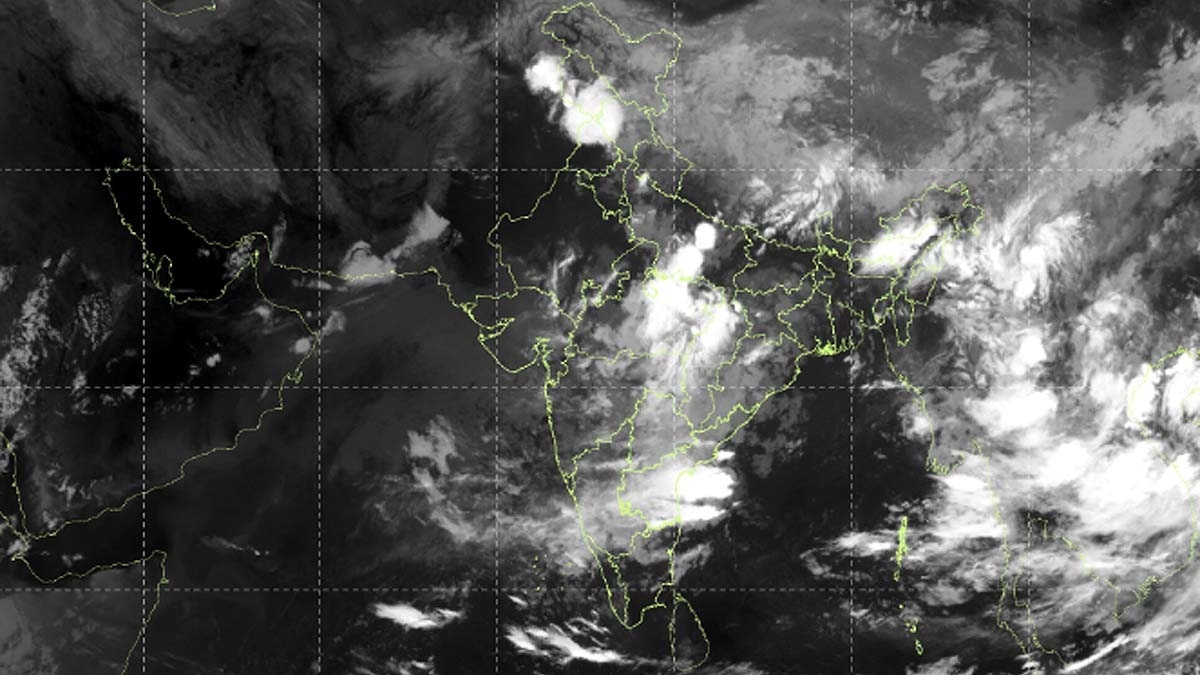
The geographical distribution of the rainfall is expected to be highly uneven. Skymet warns that North-West and Central India are at the highest risk. Specifically, states such as Punjab, Haryana, Rajasthan, Gujarat, Madhya Pradesh, Maharashtra, Karnataka, Telangana, and Andhra Pradesh are bracing for a significant rainfall deficit.
On the other hand, Eastern and North-Eastern India might experience relatively better conditions. Regions including West Bengal, Bihar, Odisha, and the North-Eastern states are expected to witness more active monsoon patterns, potentially providing a buffer against the widespread dryness seen elsewhere.
| Month | Expected Rainfall (LPA %) | Probability of Deficit |
|---|---|---|
| August | 92% | 60% |
| September | 89% | 70% |
Historically, monsoon fluctuations are often tied to complex atmospheric phenomena. The uneven distribution of rain—characterized by intense bursts followed by long dry spells—makes it difficult for farmers to plan sowing and harvesting cycles effectively. This volatility is a hallmark of the changing climate patterns observed globally.
Frequently Asked Questions
1. Which states are most at risk of drought in 2026?
According to Skymet, Rajasthan, Gujarat, Madhya Pradesh, Maharashtra, and South Indian states like Karnataka and Andhra Pradesh are at high risk.
2. How much rainfall is expected in September?
September is expected to receive only about 89% of the Long Period Average (LPA) rainfall.