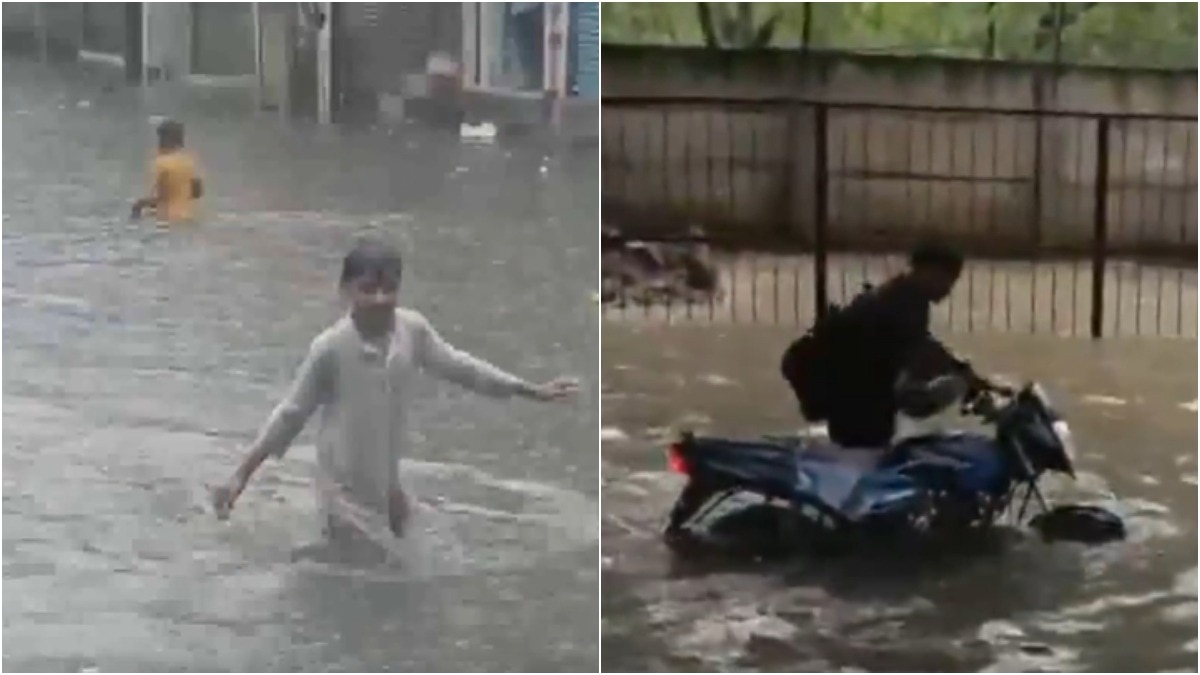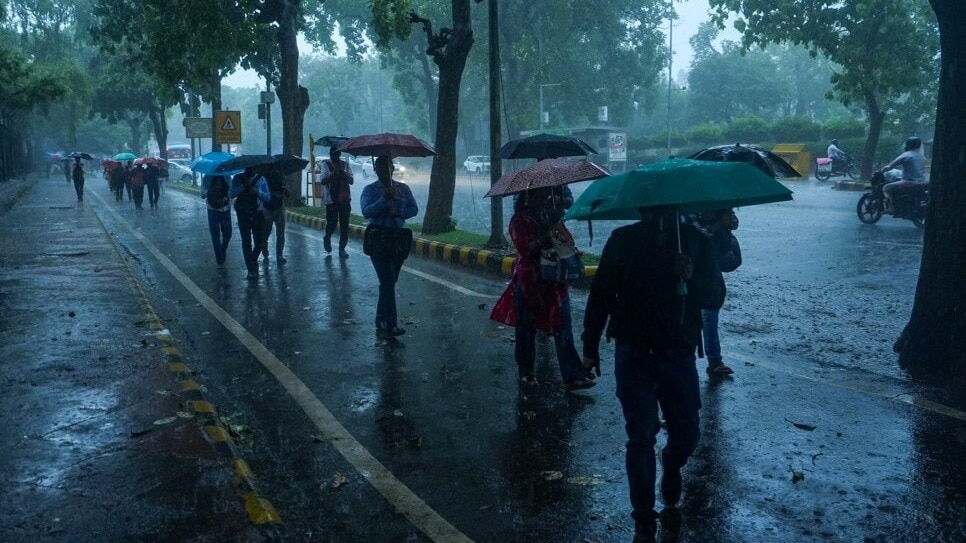
Delhi and neighboring states experienced an unexpected burst of heavy rain and thunderstorms. The surge is driven by a clash between active monsoon currents and a western disturbance, highlighting stark regional contrasts.
- Scattered early‑morning to noon showers expected in Delhi‑NCR, Punjab, Haryana, and western UP for the next two days
- Western disturbance adds instability, prompting localized thunderstorms
- Eastern India remains wet while north‑west and central regions face drying trends
Current Weather Scenario
Active monsoon conditions combined with a western disturbance are generating patchy rain and thunderstorms across Delhi‑NCR, Punjab, Haryana, and western Uttar Pradesh. Meteorologists explain that the disturbance lifts moisture‑laden air, forming clouds and precipitating rainfall.
Regional Imbalance
The nationwide monsoon pattern is highly uneven. Eastern and central India continue to receive moderate‑to‑heavy rain, whereas north‑west, western and southern zones remain relatively dry. The four‑week ECMWF rainfall outlook underscores this east‑west divide.
Why This Matters
BozokMedia analysis shows that short‑lived rain bursts in Delhi‑NCR can temporarily relieve the seasonal deficit, but the broader monsoon trend points to a growing water‑stress scenario for north‑west India, affecting agriculture, power generation and urban mobility.
"This brief rain spell offers only a fleeting reprieve; sustained monsoon imbalance could trigger a severe water crisis," warns climatologist Dr. Anjali Mehta.
Frequently Asked Questions
Q1: Will the rain continue for the next two days?
A: Forecast models suggest scattered showers will persist during early mornings and noon, but a dry spell is expected to return by evening.
Q2: How will the rain affect traffic in Delhi‑NCR?
A: Localized heavy bursts may cause water‑logging and traffic snarls, so commuters are advised to stay alert.