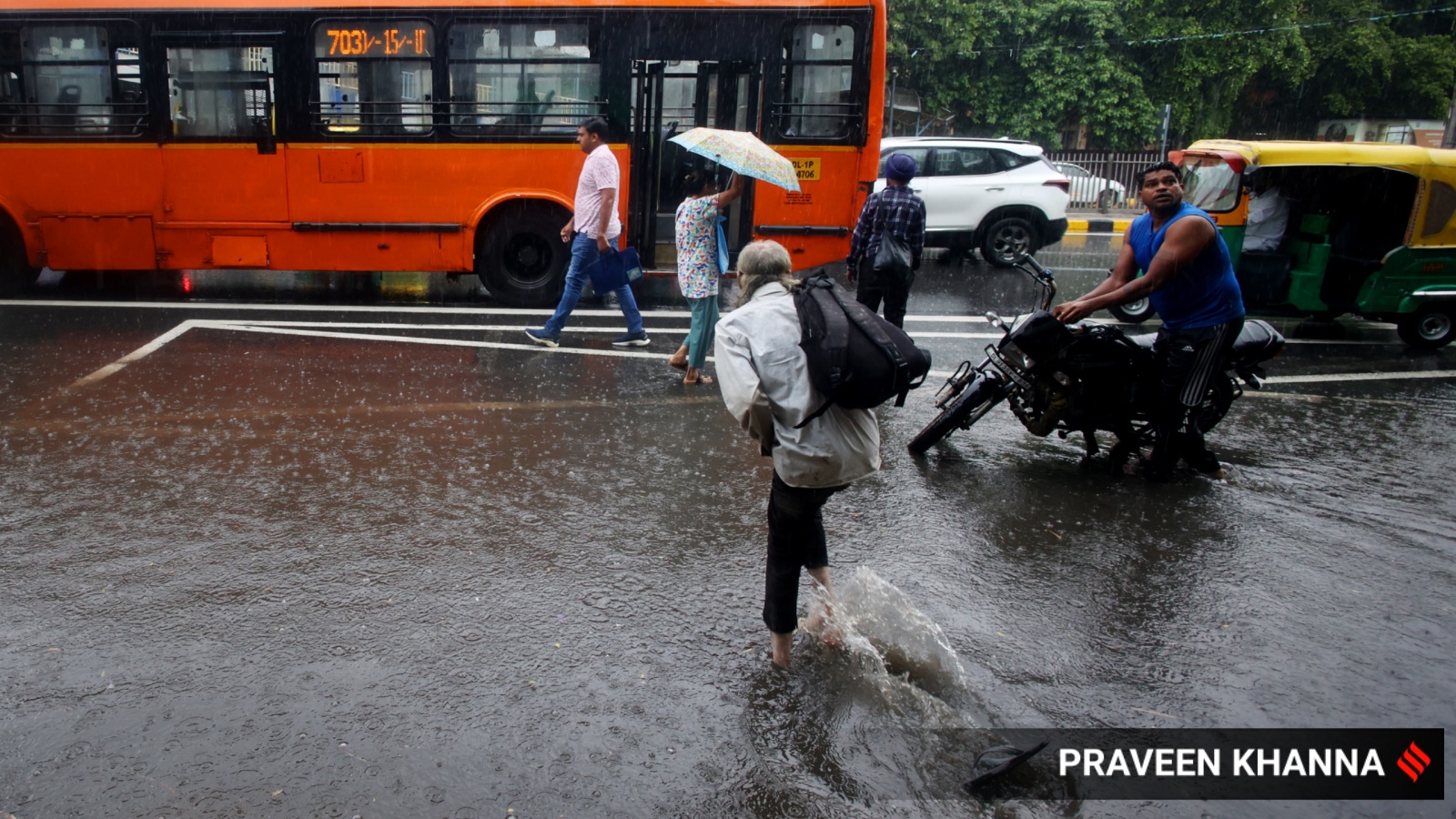
Delhi experienced its wettest August day in two years, leading to widespread waterlogging and severe traffic snarls. The Public Works Department minister announced rapid drainage measures, while residents are urged to stay cautious.
- Delhi records its wettest August day in two years
- Major roads suffer waterlogging and gridlock
- PWD minister pledges swift drainage actions
Impact of the Downpour
Within the last 24 hours, Delhi received over 120 mm of rain, overwhelming the city's drainage network. Residential colonies such as Rajpur Nagar, Kannauj, and Lajpat Nagar, as well as commercial hubs, faced sudden water accumulation that forced schools and shops to shut temporarily.
Key arterial routes turned into rivers, creating traffic congestion at levels not seen in recent memory. Metro services were partially suspended, ATMs went offline, and power lines flickered across the city.
Government Response
The Delhi Public Works Department (PWD) minister Ashok Kumar stated, "We are taking immediate steps to clear temporary water accumulation. All clogged drains are being cleaned and additional pumps are being deployed." He added that extra rescue teams will be on the ground within 48 hours.
Impact on Local Businesses
Merchants in markets such as Chandni Chowk and Sarojini Nagar reported significant losses. Many vendors have closed stalls and are seeking alternate arrangements to safeguard inventory.
Historical Background
This August marks the most intense rainfall in Delhi since 2022. The average August precipitation over the past two years hovered around 80 mm, whereas this year surpassed 120 mm, making it the heaviest since 2021.
Why This Matters
BozokMedia analysis shows that recurring waterlogging in Delhi not only disrupts daily life but also strains the city's aging drainage infrastructure, highlighting the urgent need for long‑term urban planning reforms.
"If drainage systems are not redesigned to accommodate climate‑change‑driven extremes, future flooding events could become far more catastrophic," climate expert Dr. Ravi Singh noted.
Frequently Asked Questions
Q1: Will traffic return to normal after the rain subsides?
A: With departmental teams working round‑the‑clock, most major roads are expected to clear within two to three days.
Q2: Is more heavy rain forecasted for the coming days?
A: The meteorological department has issued a warning of an additional 30‑40 mm of rain by the weekend, so residents should remain vigilant.