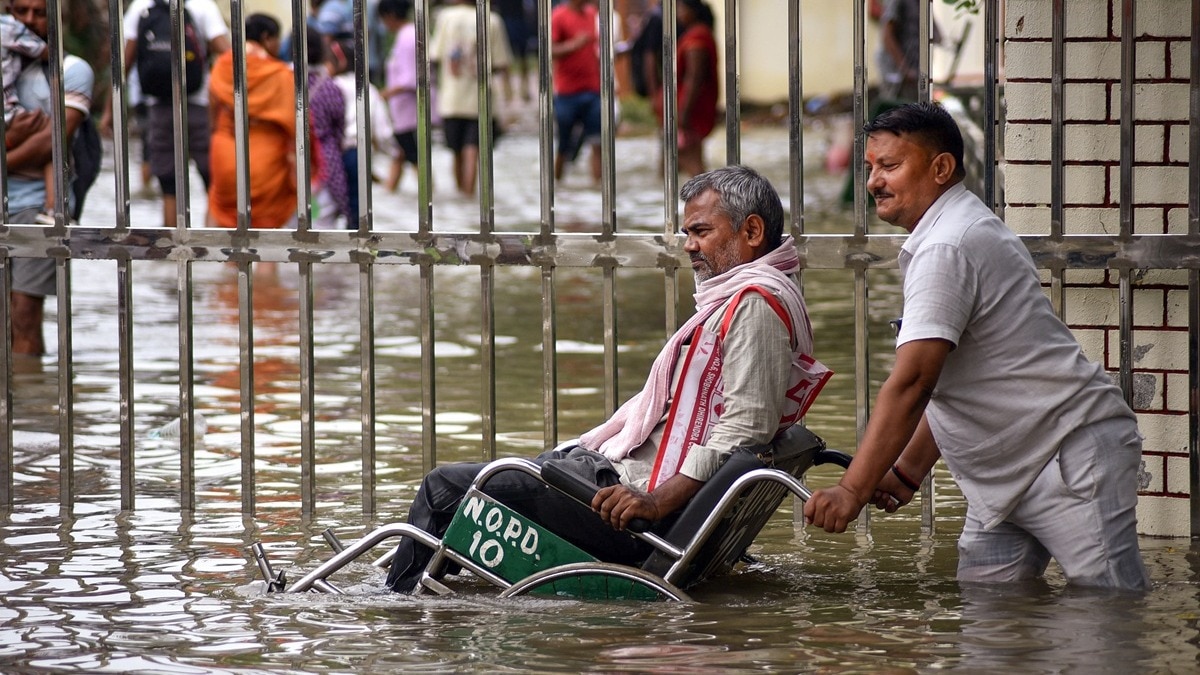
The India Meteorological Department (IMD) has issued a significant weather warning for Uttar Pradesh, predicting heavy to very heavy rainfall across several districts on August 27.
- IMD has issued a heavy rainfall alert for various parts of Uttar Pradesh on August 27.
- Thunderstorms and gusty winds are expected in the coming 24 hours.
- Local authorities and farmers are advised to remain vigilant.
The India Meteorological Department (IMD) has released a critical weather advisory for Uttar Pradesh. According to the latest meteorological data, the state is bracing for a period of intense precipitation on August 27, with several districts placed under high alert for heavy rainfall.
Meteorologists indicate that the current atmospheric conditions, driven by monsoon troughs, will lead to widespread cloud cover and significant rainfall across the western, central, and eastern belts of the state. The intensity of the rain is expected to vary, with some regions witnessing torrential downpours.
Why This Matters
BozokMedia analysis shows that such heavy monsoon activity can lead to immediate urban flooding and disruptions in local transport. Furthermore, for the agrarian economy of Uttar Pradesh, excessive rainfall at this stage of the season can pose a dual threat of soil erosion and crop damage.
The upcoming 48-hour window is critical for disaster management teams to prepare for potential flash floods and waterlogging in low-lying areas.
Historically, the late August period serves as a peak phase for the Indian Summer Monsoon. During this time, the moisture inflow from the Bay of Bengal typically intensifies, making the Indo-Gangetic plains highly susceptible to heavy precipitation events.
Historical Background
Uttar Pradesh's climate is heavily influenced by the monsoon cycle. While the rains provide much-needed relief and water for irrigation, the state has a history of facing seasonal flooding in districts adjacent to major river systems like the Ganges and Yamuna during heavy monsoon spells.
Frequently Asked Questions
1. Which districts are most at risk?
While specific lists change daily, the western and central districts are currently under the highest alert categories.
2. How should citizens prepare?
Avoid traveling in heavy rain and stay updated with local news and IMD bulletins.