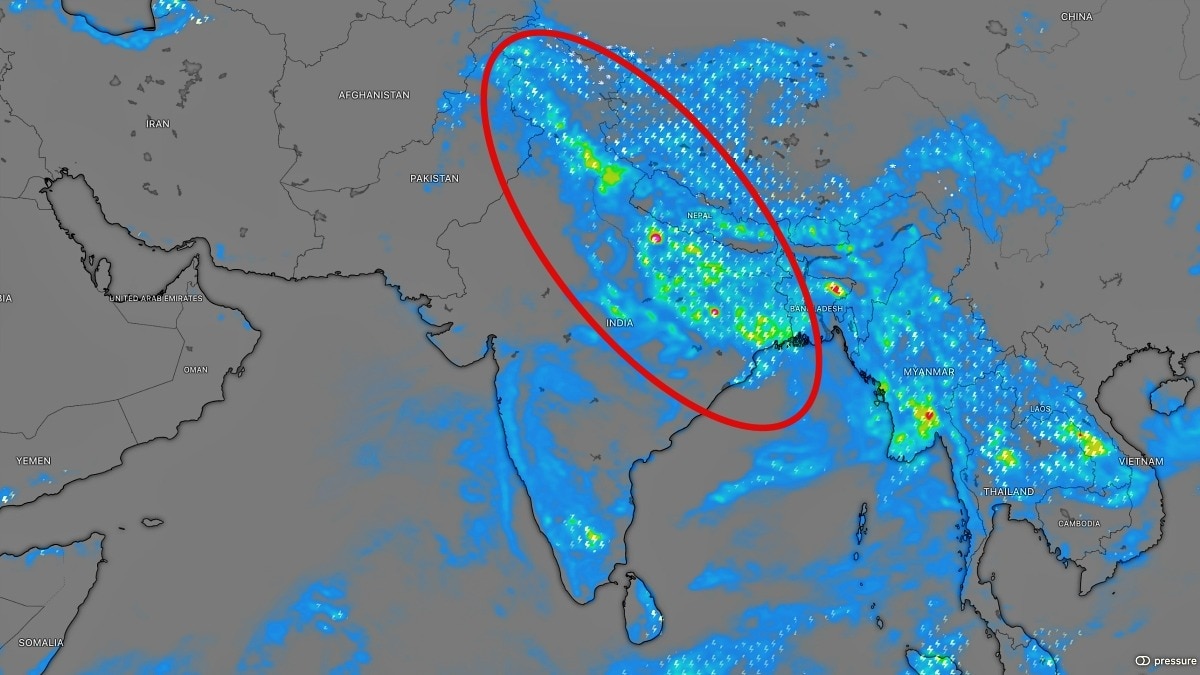
Torrential rains have hit Delhi and the National Capital Region (NCR), prompting the IMD to issue an orange alert for several areas. While the rain provides relief from sweltering humidity, it poses risks of waterlogging and traffic disruptions.
- Orange Alert issued by IMD for several parts of Delhi-NCR.
- Heavy rainfall brings relief from intense humidity and heat.
- Risk of waterlogging in low-lying urban areas.
- Forecast suggests continued precipitation over the next 48 hours.
The National Capital Region (NCR) is bracing for significant weather disruptions as heavy rainfall continues to lash various parts of Delhi and its neighboring districts. The India Meteorological Department (IMD) has officially issued an 'Orange Alert,' warning residents of intense downpours that could lead to localized flooding and logistical challenges across the metropolitan area.
Shifting Weather Patterns and Current Status
After a period of sluggish monsoon activity that left residents struggling with high humidity and rising temperatures, the sudden onset of heavy showers has drastically altered the local climate. In several pockets of Delhi-NCR, the rainfall has been intense, leading to a noticeable drop in mercury levels, providing much-needed respite from the heatwave-like conditions experienced earlier this month.
Why This Matters
BozokMedia analysis shows that sudden extreme weather events in densely populated urban centers like Delhi create a domino effect, impacting transportation, electricity supply, and public health. The strain on the city's aging drainage infrastructure becomes critical during such high-intensity rainfall episodes.
Urban resilience depends on proactive drainage management and real-time weather monitoring to mitigate the impact of sudden heavy downpours.
Historically, the month of August has been a crucial period for the monsoon in Northern India. Data suggests that this year, rainfall intensity has increased compared to previous decades, which has a dual impact: it helps in recharging groundwater and improving the Air Quality Index (AQI), but it also heightens the risk of urban flash floods.
Historical Context of Delhi Monsoons
The monsoon in Delhi typically follows a predictable seasonal pattern, but recent years have seen a shift toward 'extreme weather events.' Instead of steady, moderate rain, the region is increasingly experiencing heavy bursts of rain over short durations. This shift is largely attributed to changing global climatic patterns, making urban planning more difficult for municipal authorities.
Frequently Asked Questions
1. Is there a weather warning for Delhi today?
Yes, the IMD has issued an Orange Alert for several areas in Delhi and NCR due to heavy rainfall expectations.
2. How will the rain affect commuters?
Commuters should expect significant traffic delays and potential waterlogging on major arterial roads.