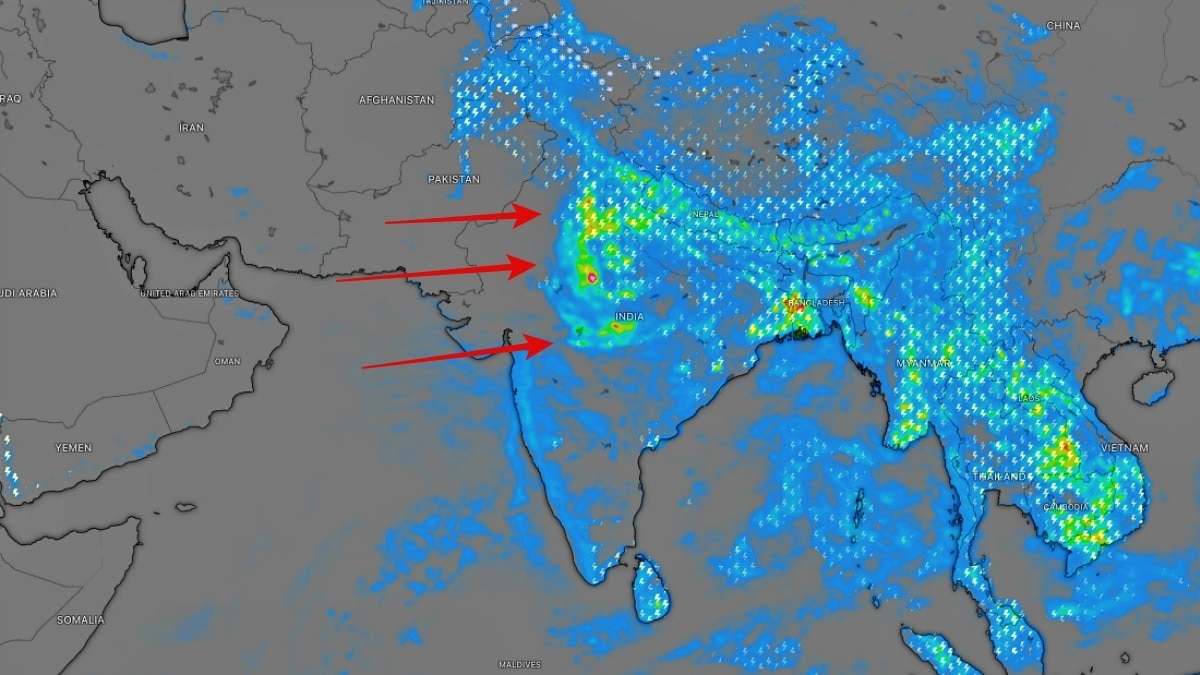
The India Meteorological Department (IMD) predicts heavy rainfall on September 4 across northern, central and northeastern India. Delhi, Haryana and Chandigarh face intense downpours, while Madhya Pradesh is expected to receive the heaviest showers.
- Heavy rain forecast for North India on Sep 4
- Delhi‑Haryana‑Chandigarh brace for intense showers
- Madhya Pradesh could see 10‑20 cm of rain
Detailed Weather Outlook
The IMD warns that an active low‑pressure system will drive fresh monsoon spells across several parts of India on Friday, September 4. Isolated heavy rain is expected in Haryana, Chandigarh and Delhi, with similar conditions spreading to Punjab, Himachal Pradesh, Uttarakhand, Jammu & Kashmir, Ladakh, East Rajasthan and West Uttar Pradesh.
Key Affected Regions
Madhya Pradesh emerges as a primary rainfall hotspot, with isolated locations forecast to receive heavy to very heavy rain. On September 3, East Madhya Pradesh recorded over 10 cm of rain in many spots – Rajnagar logged 19 cm and Khajuraho 18 cm. Heavy rain is also likely in Arunachal Pradesh, Assam, Meghalaya, Bihar, Nagaland, Manipur, Mizoram, Tripura, West Bengal and Sikkim, accompanied by thunderstorms.
Western and Southern Outlook
In western India, the Konkan coast and Goa will continue to see widespread rain, while Gujarat, Maharashtra, Saurashtra and Kutch may experience isolated showers. Southern India will see limited rain overall, though coastal Karnataka is expected to receive fairly widespread precipitation.
Why This Matters
BozokMedia analysis shows that the impending monsoon surge coincides with the festive celebrations of Janmashtami, amplifying risks to public gatherings, transportation networks, and agricultural activities across the densely populated northern belt.
"The saturated soils across Uttar Pradesh and Madhya Pradesh elevate flash‑flood risks, demanding immediate local response," warned climate expert Dr. Anil Mehta.
Frequently Asked Questions
Q1: Should Janmashtami celebrations be postponed?
A: Authorities need to assess real‑time weather data and public safety before making any decisions.
Q2: How will this rain impact agriculture?
A: While timely rain can benefit crops, excessive water on already saturated ground may cause water‑logging and damage.