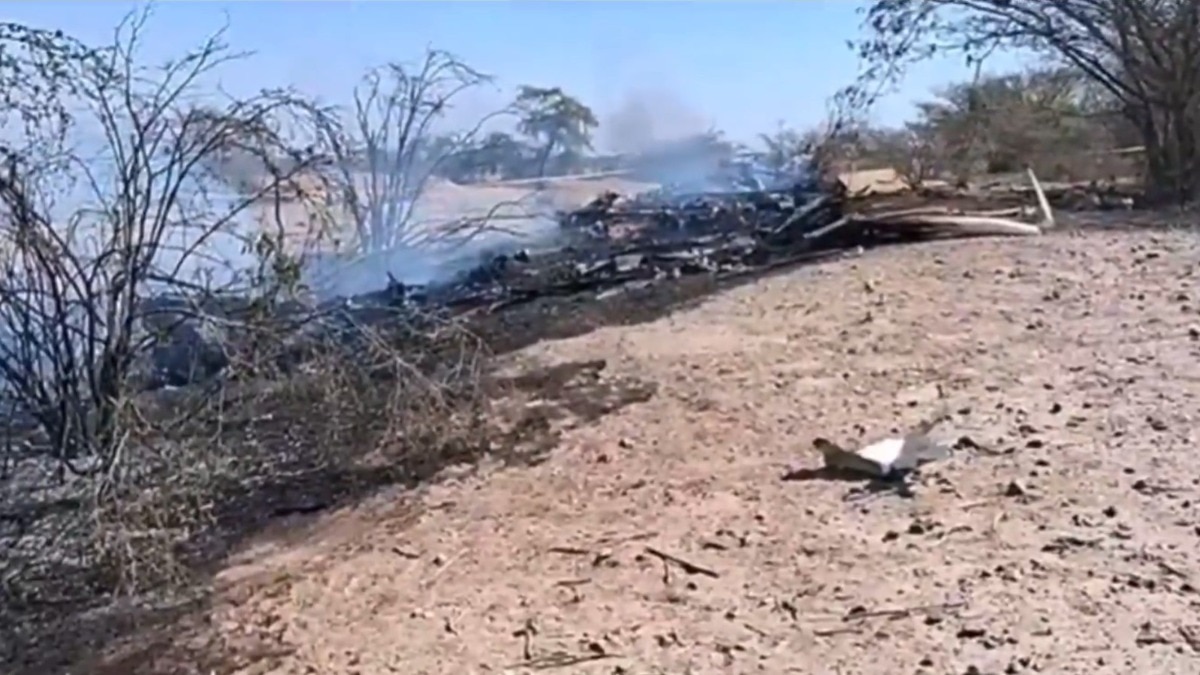
As gale-force winds intensify wildfires across Greece, threatening coastal resorts, major blazes in France and Spain are finally showing signs of containment.
Key Takeaways
- Greece faces an intensifying wildfire emergency due to gale-force winds near Athens.
- French Prime Minister confirms major wildfires in Gironde and Var are now under control.
- Spain and Portugal report easing conditions, with most evacuation orders lifted.
- Europe's rapid warming is identified as a primary driver for these extreme fire events.
A severe wildfire emergency is unfolding across Southern Europe. In Greece, gale-force winds have fanned the flames, creating a new and dangerous front in the coastal areas west of Athens. Emergency crews, supported by water-dropping aircraft, are working desperately to protect the popular resort of Porto Germeno as the fire threatens residential areas and tourism hubs.
Authorities in Greece have issued emergency alerts for the Attica and Evia regions, warning of extreme wildfire risks. Reports indicate that the fire has split into multiple fronts, destroying homes and forcing hundreds of residents to be evacuated by sea to ensure their safety.
Why This Matters
BozokMedia analysis shows that the pattern of these fires highlights a growing vulnerability in Mediterranean climates. The combination of extreme heat and sudden wind shifts makes containment an uphill battle for even the most advanced firefighting services.
The intensification of wildfires in Europe is a direct consequence of the continent warming at twice the global average rate.
In contrast, there is a sense of relief in France. Prime Minister Sebastien Lecornu stated that the devastating wildfires that have ravaged the country are now "under control." In the Gironde department, the situation has stabilized, and in the mountainous Var region, defensive lines successfully held against the advancing flames.
Historical Context
Since the 1980s, Europe has emerged as the fastest-warming continent on Earth. According to the EU's Copernicus climate service, this rapid heating, coupled with prolonged droughts, has turned vast stretches of vegetation into highly combustible fuel, leading to more frequent and intense wildfire seasons.
Frequently Asked Questions
Question 1: Which parts of Greece are most affected?
Answer: The regions of Attica and Evia are currently under high alert due to extreme wildfire risks.
Question 2: Is the fire situation in France improving?
Answer: Yes, the French government has reported that major fires are now under control and the situation is stabilizing.