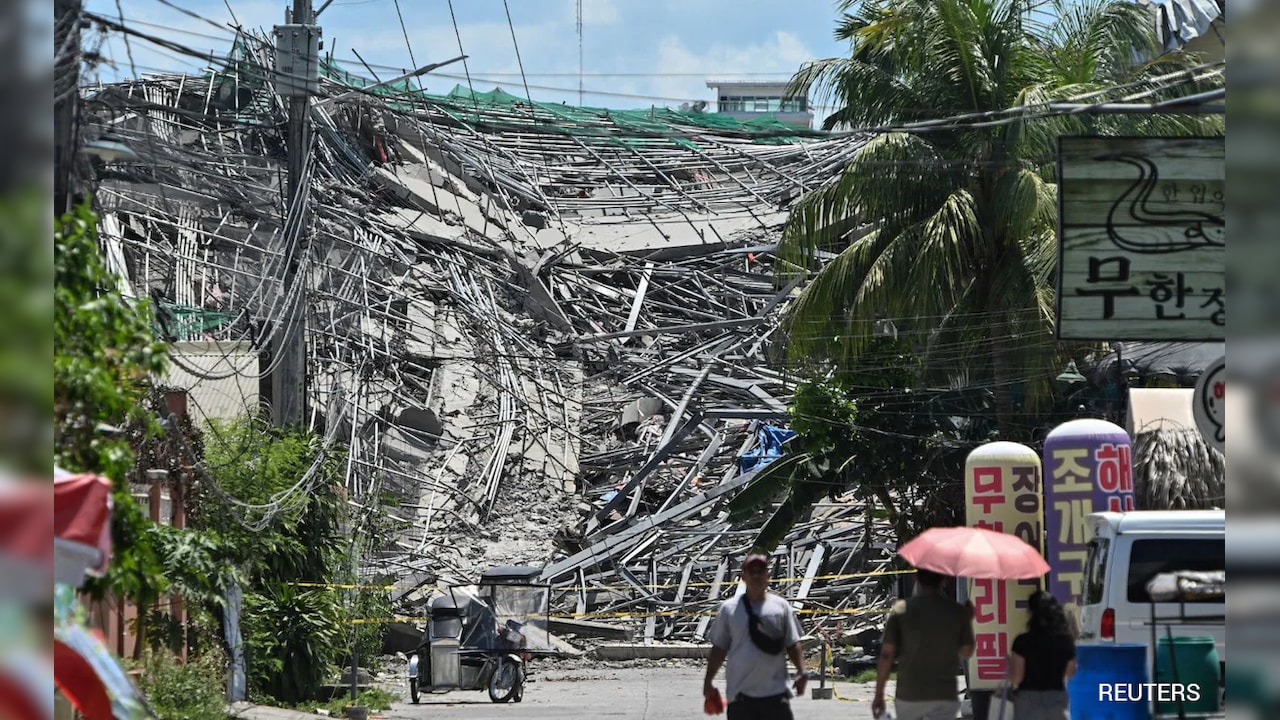
A devastating overnight Russian missile and drone campaign against Kyiv and surrounding regions has left 15 dead and dozens injured, straining Ukraine's critical air defense resources.
Key Takeaways
- 15 people killed and 42 injured in overnight Russian missile and drone strikes.
- Major logistics hubs and Epicentr retail facilities heavily damaged.
- Ukraine's Patriot missile interceptor stockpiles are under extreme pressure.
- The conflict has shifted toward a strategic 'war of attrition' targeting economic infrastructure.
In a massive escalation, Russian missile and drone strikes targeted Kyiv and its surrounding districts overnight, resulting in the deaths of 15 people and injuring 42 others. According to Ukraine's state emergency service, the strikes hit critical infrastructure, including warehouses and logistics hubs, marking one of the most intense ballistic missile volleys seen this summer.
The devastation was widespread across the Kyiv region. In districts such as Brovary, Bucha, and Fastiv, massive fires erupted at several locations. One of the hardest-hit entities was Epicentr, Ukraine's leading retail and construction giant. The company reported that two of its key logistics hubs were destroyed and its ceramic tile production floor was leveled, forcing a complete halt to local manufacturing.
Why This Matters
BozokMedia analysis shows that Russia is increasingly employing a strategy of targeting non-military economic infrastructure to cripple Ukraine's long-term resilience. By hitting food storage, building materials, and retail logistics, Moscow aims to create internal economic instability alongside battlefield pressure.
The enemy is attacking everything indiscriminately - retail warehouses, food storage facilities, logistics hubs, and enterprises.
A critical vulnerability highlighted by this attack is the shortage of interceptor missiles for Ukraine's US-made Patriot systems. While these systems are the only defense against ballistic missiles, their limited stockpile makes it difficult to counter large-scale, simultaneous volleys of missiles and drones.
Historical Background
The conflict has evolved from traditional frontline warfare into a sophisticated campaign of economic attrition. While Ukraine has retaliated by striking Russian energy and retail infrastructure, such as Wildberries warehouses, Russia has responded with increased frequency and scale in its strikes against Ukrainian civilian and commercial hubs.
Frequently Asked Questions
1. What was the primary target of the Russian strike?
The strikes targeted logistics hubs, warehouses, and commercial enterprises, including the Epicentr retail chain.
2. Why can't Ukraine stop all incoming missiles?
The sheer volume of incoming drones and missiles during large volleys often exceeds the available number of interceptor missiles in Ukraine's air defense inventory.