Donald Trump has escalated tensions with Tehran by announcing that the U.S. will seek financial compensation from Iran for casualties incurred during conflict. This comes amidst a massive naval buildup in the Strait of Hormuz.
Key Takeaways
- Trump demands financial reparations from Tehran for war casualties.
- U.S. deploys 20 warships to blockade the Strait of Hormuz.
- Pentagon issues a 21-day ultimatum to defense contractors over weapon shortages.
Former U.S. President Donald Trump has intensified his stance against Iran, asserting that the United States will hold Tehran financially accountable for any loss of life in ongoing or future conflicts. This strategic pivot shifts the conflict from purely military engagement to a form of economic retribution, demanding compensation for the families of fallen service members and civilians.
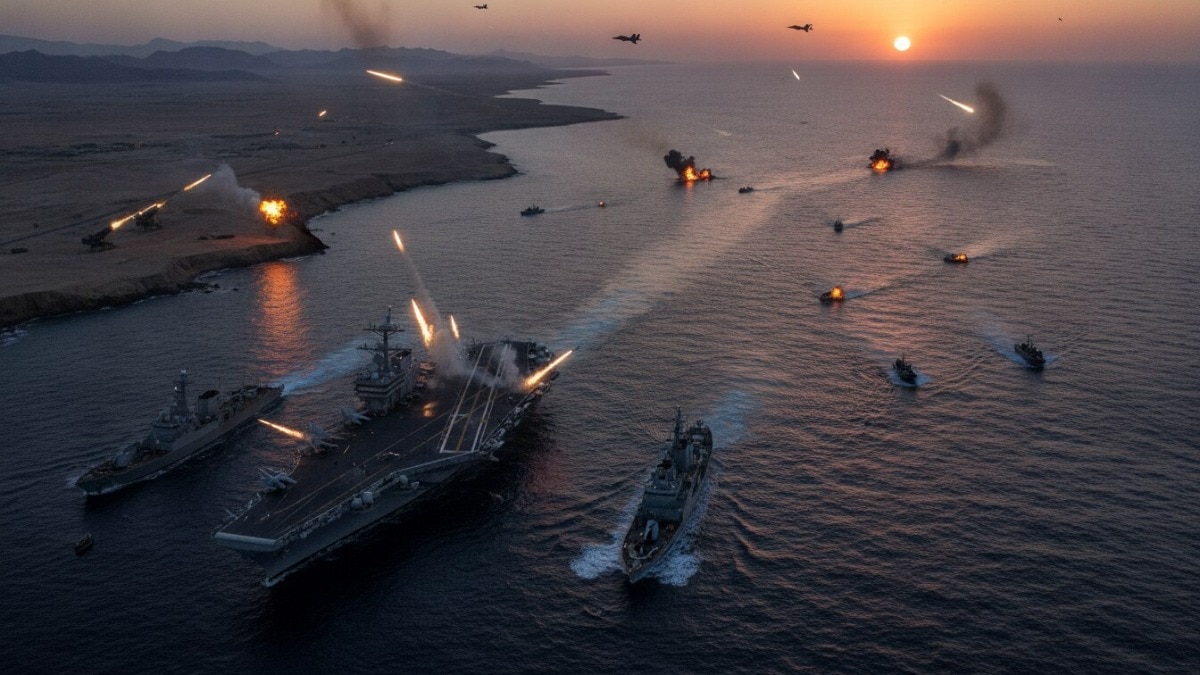
The geopolitical tension has reached a boiling point in the Strait of Hormuz. In what is being described as a 'Great Blockade,' the U.S. has deployed 20 warships to the region. This move has forced over 55 commercial vessels to reroute their paths, significantly increasing the pressure on the Iranian regime. In response, Iran has reportedly presented six stringent conditions to Trump for the reopening of the strait.
Why This Matters
BozokMedia analysis shows that this is a calculated move to weaponize financial liability. By demanding compensation, the U.S. is not only targeting Iran's military capabilities but also its already fragile economy. The synchronization of naval pressure and financial threats indicates a multi-layered strategy to force Iran into submission.
"The demand for compensation is a strategic psychological tool designed to frame Iran as a liability to global stability."
Simultaneously, the U.S. military is facing internal challenges. The Pentagon has issued a critical 21-day ultimatum to defense companies to resolve a severe weapons shortage. Meanwhile, Iranian official Ismail Baghai has clarified the regime's stance on potential transit fees for maritime services in the strait, adding another layer of economic uncertainty to the crisis.
Frequently Asked Questions
1. Why is Trump demanding compensation from Iran?
Trump aims to place a heavy financial burden on Tehran and create a deterrent against future aggression by making war economically unsustainable for Iran.
2. What is the current situation in the Strait of Hormuz?
The U.S. has increased its naval presence to blockade the area, leading to diverted shipping routes and heightened military tension.