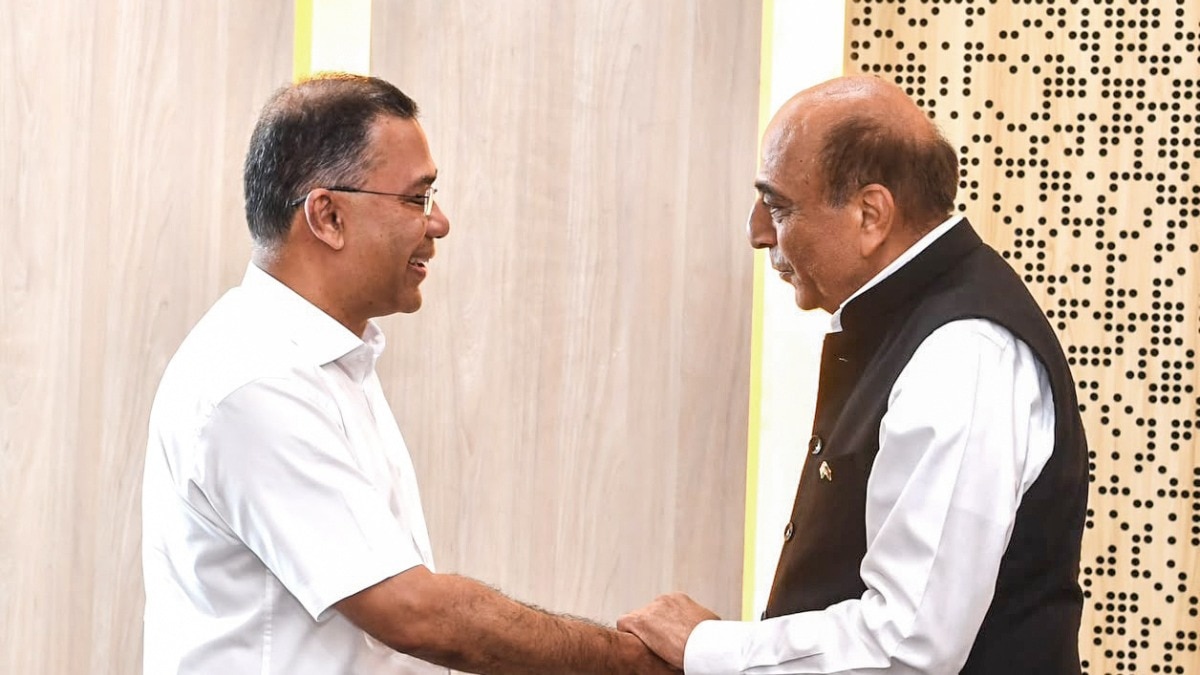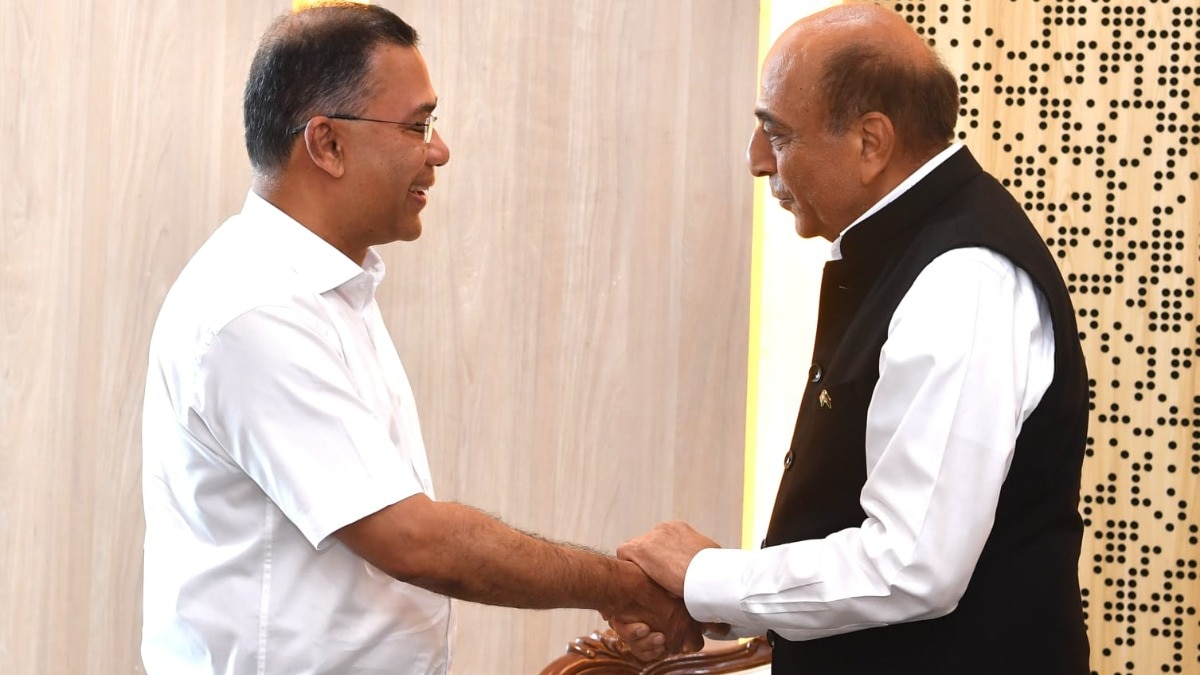
Despite sharp criticism from Dhaka over Sheikh Hasina's presence, India has extended a gesture of respect toward PM Tarique Rahman. High Commissioner Dinesh Trivedi's recent meeting signals a strategic shift to stabilize regional ties.
Key Takeaways
- Indian High Commissioner Dinesh Trivedi met Bangladesh PM Tarique Rahman, calling him a 'leader of the masses'.
- The move follows severe backlash from Dhaka regarding former PM Sheikh Hasina's virtual address from Delhi.
- India aims to ensure Bangladesh's participation in the upcoming BRICS Summit in New Delhi (Sept 12-13).
- New Delhi is distinguishing between personal ties with former leaders and official relations with the current elected government.
Relations between India and Bangladesh are currently navigating a turbulent phase. While Dhaka has lodged strong protests against New Delhi over the presence and public utterances of former Prime Minister Sheikh Hasina, India is simultaneously attempting to build a bridge with the current administration. On August 10, the new Indian High Commissioner, Dinesh Trivedi, paid a courtesy call to Prime Minister Tarique Rahman, praising his leadership style.
Why This Matters
BozokMedia analysis shows that India is employing a 'dual-track diplomacy' strategy. By praising PM Tarique Rahman immediately after a diplomatic spat, New Delhi is signaling that its state-to-state relations are independent of its ties with individuals. This is critical because India is hosting the BRICS Summit in September and views Bangladesh's participation as essential for the event's regional success.
"India's approach reflects a transition from ideological loyalty to strategic realism, prioritizing regional stability over past political alliances."
The friction peaked after Sheikh Hasina's virtual address on August 5, which the Bangladesh government termed an insult to its sovereignty and described Hasina as a 'fugitive and convicted genocide perpetrator'. In response, the Indian Ministry of External Affairs distanced itself from the event, stating it had no role in the media program.
| Issue | Bangladesh's Position | India's Position |
|---|---|---|
| Sheikh Hasina | Accused of genocide; fugitive | Providing refuge/Diplomatic distance |
| BRICS Summit | Uncertainty over attendance | Active invitation and desire for participation |
| Diplomatic Tone | Aggressive and critical | Conciliatory and professional |
The political rivalry between Tarique Rahman and Sheikh Hasina remains intense. Following the student-led uprising in August 2024, Hasina was forced to flee to India. A special tribunal in Bangladesh has since sentenced her to death in absentia. By engaging with Rahman, India is attempting to mitigate the risk of long-term hostility with its eastern neighbor.
Frequently Asked Questions
1. What was India's response to the 'sovereignty insult' claim?
India clarified that the government had no role in Sheikh Hasina's media address and does not support any statements made against the current Bangladesh administration.
2. Why is the BRICS Summit important for this relationship?
If PM Tarique Rahman attends, it would serve as a formal validation of the current government's ties with India, effectively lowering the diplomatic temperature.