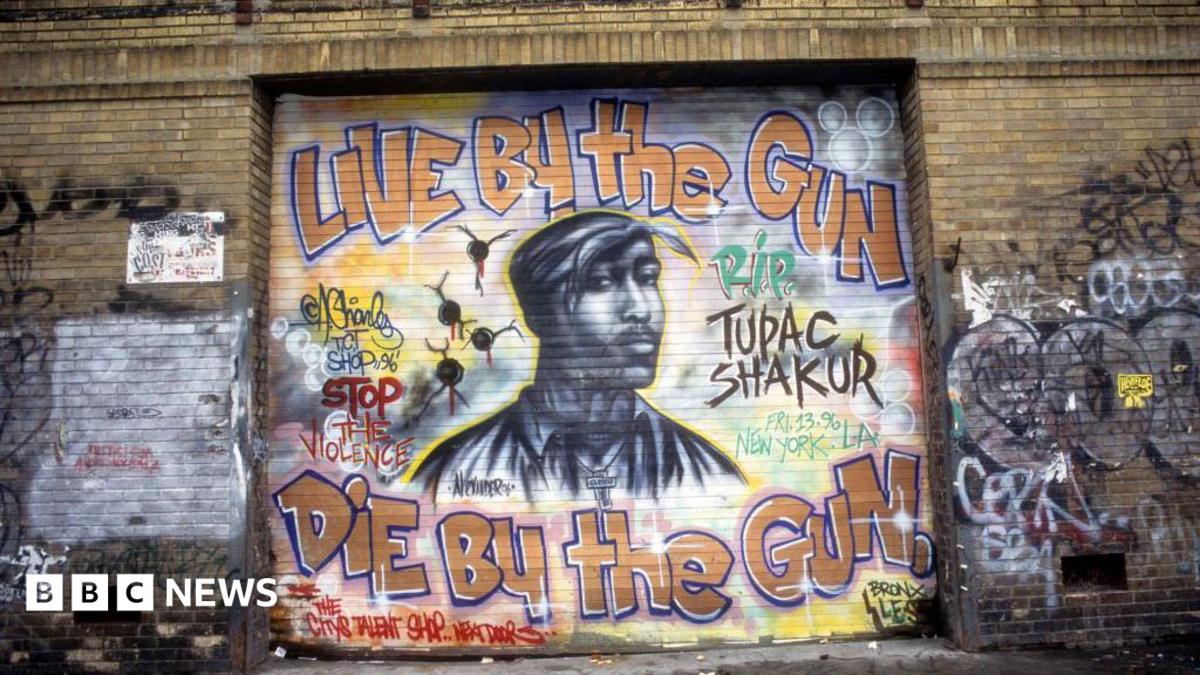
Three decades after the drive-by shooting that killed rap icon Tupac Shakur, former gang leader Duane 'Keffe D' Davis is finally facing trial. The case promises to expose the deadly rivalry of 90s hip-hop.
Key Takeaways
- Duane 'Keffe D' Davis, 63, is charged with murder to promote a criminal gang.
- The trial takes place in Las Vegas, with potential life imprisonment without parole.
- Evidence hinges on a book co-authored by the defendant.
- The case revisits the Bloods vs. Crips turf wars and the East Coast-West Coast rap feud.
The drive-by shooting on September 7, 1996, that claimed the life of Tupac Shakur didn't just end a career; it created a cultural martyr. For nearly 30 years, the case remained a void of conspiracies and silence. However, the legal tide has turned with the charging of Duane 'Keffe D' Davis, a former gang boss who is now set to stand trial in Las Vegas.
The prosecution's case aims to unravel the violent tapestry of the 1990s, where the musical rivalry between Death Row Records and Bad Boy Records mirrored the brutal street wars between the Bloods and the Crips. This trial is expected to bring forth high-profile witnesses, including former Death Row CEO Suge Knight, who remains a pivotal figure in the narrative of that fatal night.
Why This Matters
BozokMedia analysis shows that this trial is a litmus test for the American legal system's ability to crack 'street codes' of silence. The reliance on a co-authored book as primary evidence—which the defense now claims is partially fictional—highlights the precarious nature of cold cases where physical evidence has long since vanished.
"Tupac's death elevated him from the face of gangsta rap to a global cultural icon, immortalizing a lifestyle of volatility and poetic brilliance."
Historically, Tupac was more than a rapper. Born to Afeni Shakur, a Black Panther, his art was an extension of political activism. While his album 'All Eyez on Me' cemented his commercial dominance, his lyrics often grappled with the duality of street violence and spiritual longing, a conflict that ultimately culminated in the Las Vegas tragedy.
Frequently Asked Questions
Q1: What is the primary evidence against Duane Davis?
A: A significant portion of the case relies on a book co-authored by Davis, in which he discusses the events surrounding the murder.
Q2: Is there any connection to the murder of Notorious BIG?
A: While both were rivals, the Notorious BIG murder remains unsolved, unlike the progress made in Tupac's case.