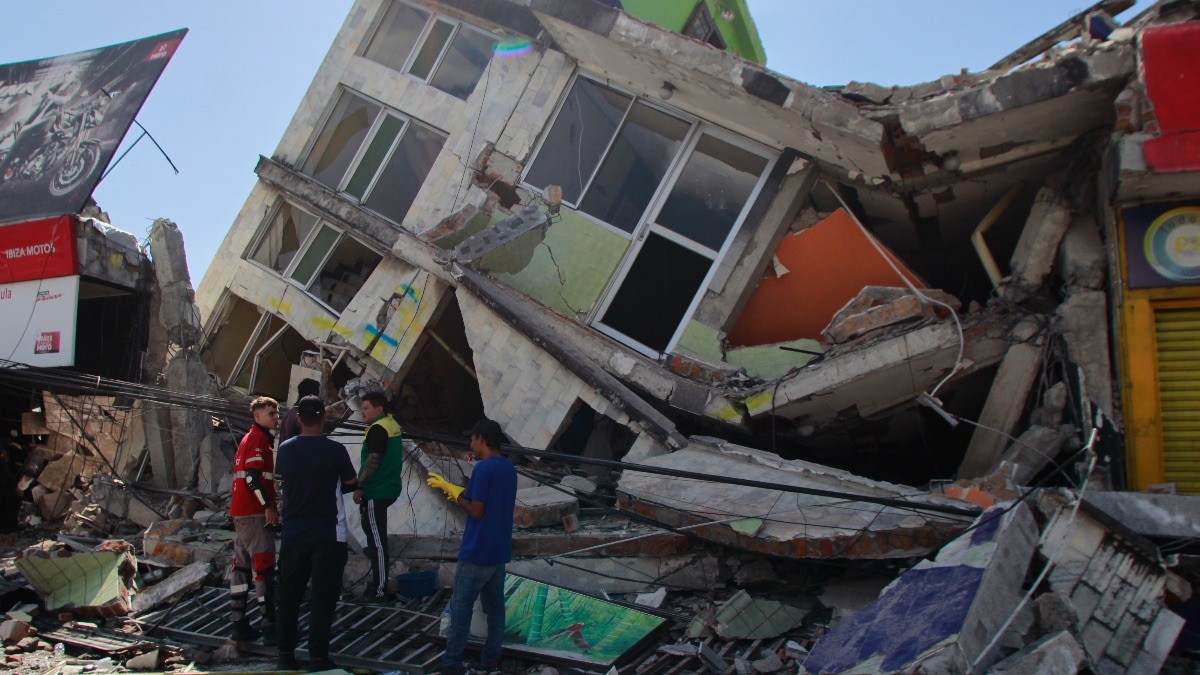
A powerful 7.4-magnitude earthquake has struck western Colombia, leaving at least 164 people dead and causing widespread structural collapse. Experts call it the strongest quake recorded in the country during the 21st century.
Key Takeaways
- Death toll stands at 164 and is expected to rise as rescue operations continue.
- The quake measured 7.4 magnitude with a depth of 107 km.
- Major cities including Cali, Pereira, and Manizales suffered severe damage.
- The disaster was caused by strike-slip movement between tectonic plates.
A catastrophic earthquake struck western Colombia on Monday, August 10, resulting in at least 164 fatalities and immense destruction. According to the US Geological Survey (USGS), the quake originated at a depth of approximately 107 km. The Colombian Geological Service has officially categorized this as the most powerful seismic event recorded in the nation since the turn of the century.
The impact was most severe in the cities of Cali, Pereira, Quibdo, and Manizales, where residential buildings, hospitals, and critical infrastructure collapsed. Rescue teams are currently racing against time to locate survivors trapped beneath the rubble. However, efforts in the remote Choco region have been hampered by severe communication failures and difficult terrain.
Why This Matters
BozokMedia analysis shows that Colombia's position at the intersection of several major tectonic plates—specifically the Nazca and South American plates—makes it a high-risk seismic zone. This particular event involved 'strike-slip' movement, where blocks of the Earth's crust slide horizontally past each other. While the depth of the quake usually mitigates surface shaking, the sheer magnitude of 7.4 ensured widespread devastation across the western corridor.
"The intersection of the Nazca and South American plates creates a volatile environment where stress accumulation can lead to rare but high-magnitude events like this one."
While Colombia experiences frequent minor tremors, a disaster of this scale is rare. The most comparable tragedy occurred on January 25, 1999, in the Coffee Region, where a 6.1-magnitude quake claimed over 1,000 lives. The current crisis is further compounded by the regional instability, following two massive quakes in neighboring Venezuela in June that killed over 6,000 people.
| Feature | Current Quake (2026) | Historical Quake (1999) |
|---|---|---|
| Magnitude | 7.4 | 6.1 |
| Death Toll | 164+ (Rising) | 1,000+ |
| Primary Region | Western Colombia | Coffee Region (Armenia) |
Frequently Asked Questions
Q1: What caused the earthquake in Colombia?
A: It was caused by the interaction and release of stress between the Nazca and South American tectonic plates via strike-slip movement.
Q2: Is the danger over?
A: No, with over 21 aftershocks recorded shortly after the main event, the region remains unstable and prone to further tremors.