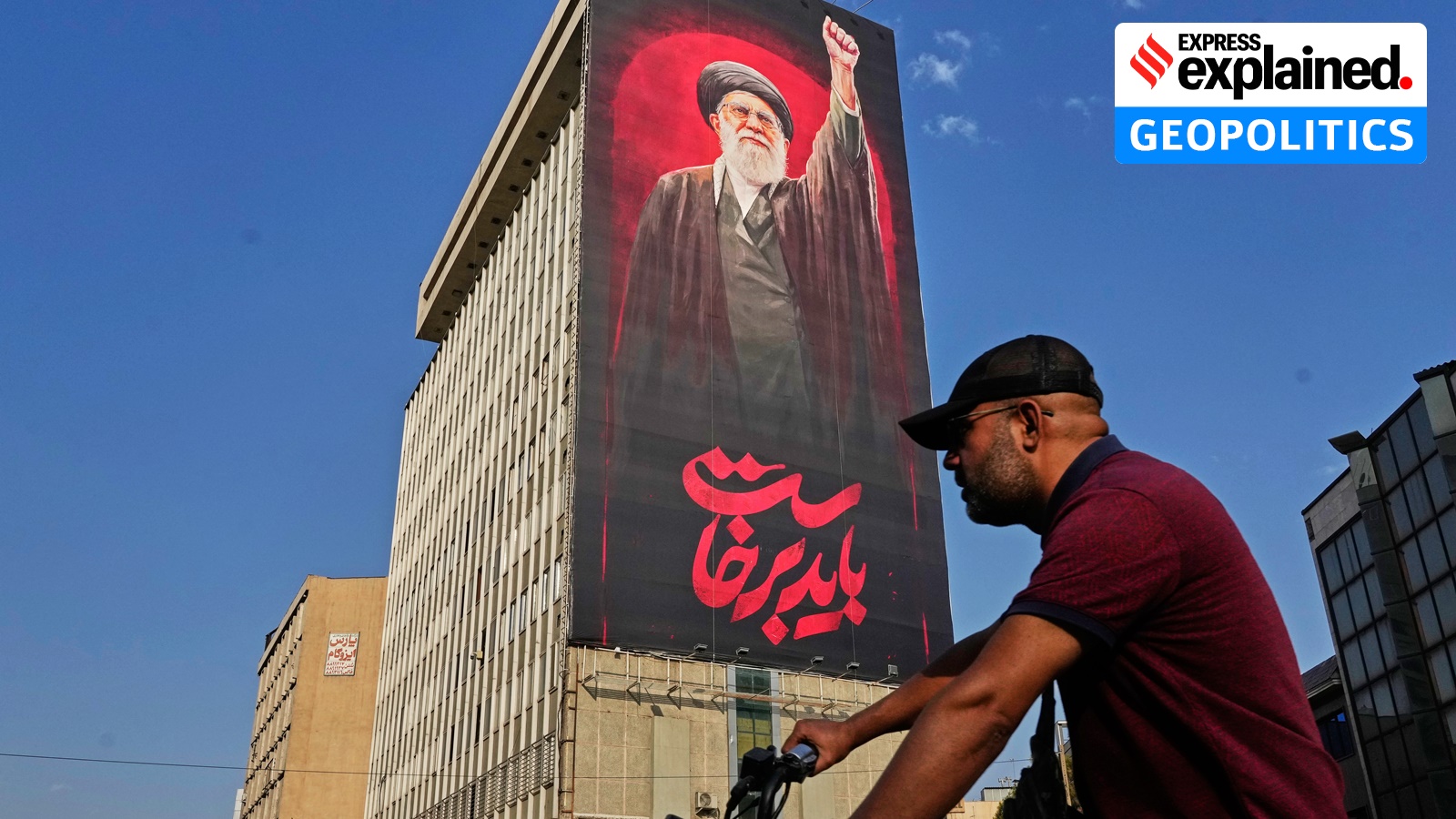
The 60-day Memorandum of Understanding between Iran and the US has officially expired. With widespread violations and deep-seated mistrust, the region faces renewed instability.
- The 60-day Iran-US MoU has officially expired as of August 17.
- Reports indicate nearly all 14 points of the agreement were violated.
- The strategic control of the Strait of Hormuz remains a critical flashpoint.
- Internal political pressures in Israel and Iran are hindering long-term peace efforts.
The fragile truce between the United States and Iran has come to an end. Two months ago, a 60-day Memorandum of Understanding (MoU) was signed to halt a devastating war that ignited in February following US and Israeli strikes that killed Supreme Leader Ayatollah Ali Khamenei. As the clock runs out on this agreement, the region finds itself in a more volatile position than before.
The 14-point MoU was designed to address critical issues, including the administration of the Strait of Hormuz and the revitalization of Iran's sanction-hit economy. A pivotal clause allowed Iran to collaborate with Oman to define maritime services in the Strait. This was a significant diplomatic win for Tehran, as the waterway facilitates 20% of global oil and LNG flows, granting Iran a formal say in its governance.
Why This Matters
BozokMedia analysis shows that the collapse of this temporary framework signals a dangerous shift toward permanent hostility. The failure of the MoU isn't just a bilateral diplomatic lapse; it is a systemic failure that threatens global energy markets. Any escalation in the Strait of Hormuz could trigger an immediate spike in global energy prices, impacting economies from Asia to Europe.
"The MoU was a tactical pause, not a strategic peace. Without a fundamental shift in security guarantees, the region remains a powder keg."
The breakdown was almost inevitable given the lack of trust. A report by The New York Times revealed that nearly every provision was breached. While the MoU demanded a permanent termination of military operations, Israel continued its strikes in Lebanon against Hezbollah. Simultaneously, the US conducted strikes on Iran, which retaliated by targeting US military bases in West Asia.
Adding to the complexity is the situation in Gaza. Jared Kushner has been engaging in high-stakes diplomacy with Israeli PM Benjamin Netanyahu and Hamas chief Khalil al-Hayya. Although Hamas has agreed to disarm, Netanyahu remains steadfast in his refusal to withdraw forces from Gaza, a position largely driven by the upcoming October legislative elections and his precarious standing in the polls.
| Issue | MoU Objective | Current Reality |
|---|---|---|
| Military Action | Immediate & Permanent Cessation | Continued strikes in Lebanon & West Asia |
| Strait of Hormuz | Joint management via Oman | Contested control and ship targeting |
| Nuclear Status | Deferred to a final deal | Heightened suspicion and escalation |
Frequently Asked Questions
Q1: What was the primary goal of the Iran-US MoU?
The MoU aimed to stop active military hostilities, manage the Strait of Hormuz, and create a pathway toward a final comprehensive deal within 60 days.
Q2: Why did the agreement fail?
The failure is attributed to mutual distrust, continued military operations by Israel in Lebanon, and the inability of both nations to agree on nuclear proliferation terms.