Analyzing the failures of the Versailles settlement, the article extracts practical lessons for contemporary peace negotiations, especially the recent U.S.–Iran MoU. It connects historic pitfalls to today’s diplomatic challenges and offers a roadmap for more durable agreements.
Key Takeaways
- Punitive clauses can destabilize future peace efforts.
- Inclusive representation and clear economic terms are essential for lasting settlements.
- The U.S.–Iran MoU should prioritize transparency, balanced security guarantees, and third‑party mediation.
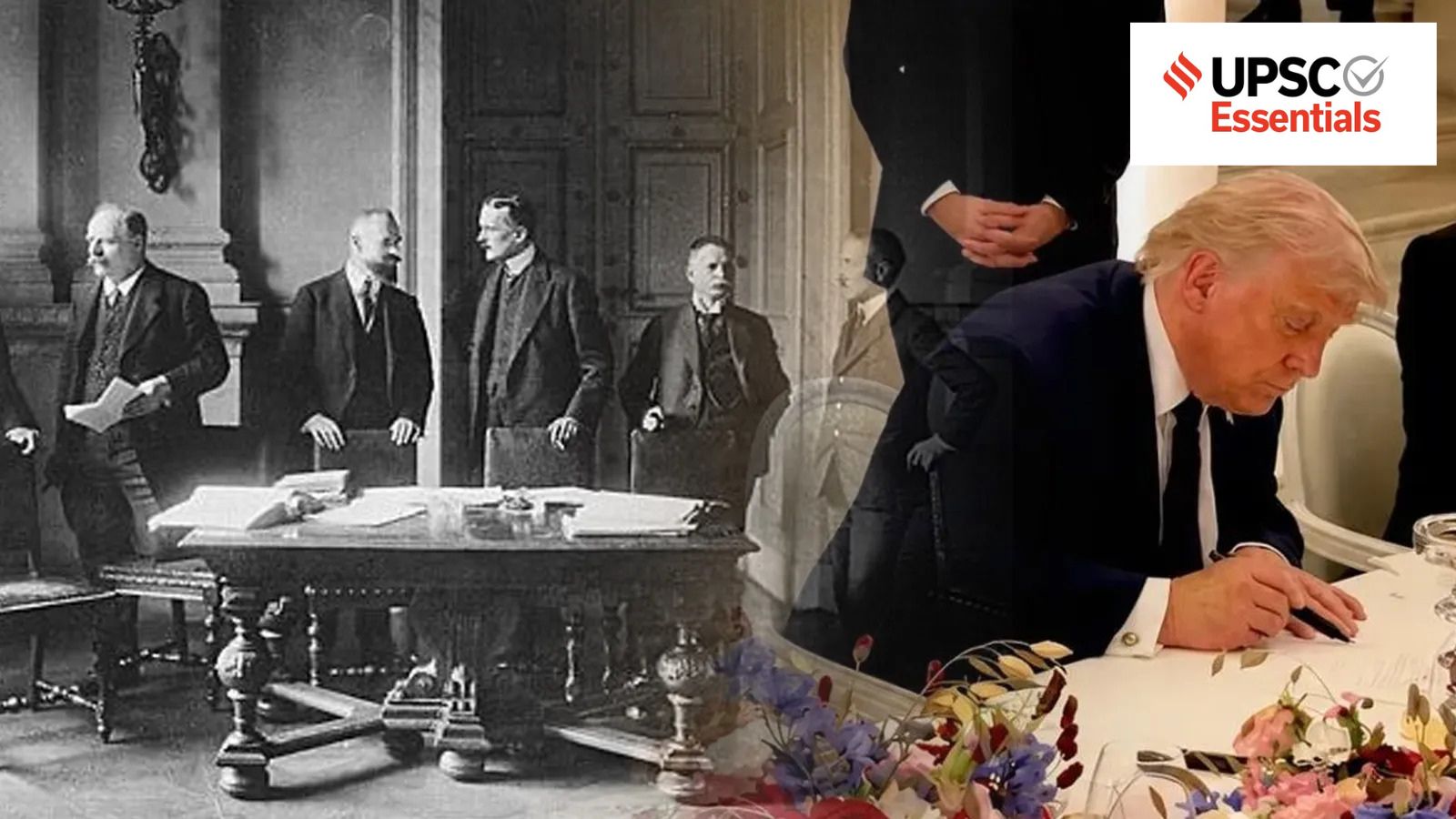
The renewed skirmishes between the United States and Iran echo the collapse of a cease‑fire announced three weeks earlier at the Palace of Versailles. While the venue evokes the 1919 treaty that formally ended World War I, the parallels run deeper: the Versailles settlement’s shortcomings foreshadow the fragility of today’s diplomatic overtures.
Core Flaws of the Versailles Treaty
British historian Eric Hobsbawm describes Versailles not as a single pact but as a series of agreements—including Saint‑Germain, Neuilly, Trianon and Sèvres—signed across Parisian suburbs. The most infamous element was the draconian reparations imposed on Germany, the return of Alsace‑Lorraine to France, and the demilitarisation of the Rhineland. These measures humiliated Germany and sowed the seeds of revanchist sentiment.
Geopolitical Redrawing and Its Consequences
Beyond Germany, Versailles reshaped Europe’s map, creating buffer states such as Finland, the Baltic republics, Poland, Yugoslavia and Czechoslovakia to contain the nascent Soviet Union. While intended as a security barrier, these artificially constructed nations often lacked internal cohesion, later becoming flashpoints for regional tension.
Lessons for Contemporary Peace Deals
1. Inclusive Representation – The Soviet Union’s absence from the Versailles negotiations proved a critical omission. Modern settlements must involve all affected parties, especially those with strategic depth, to ensure legitimacy.
2. Transparent Economic Terms – Economist John Maynard Keynes warned that vague reparations would fuel resentment. Current agreements should define payment schedules, funding sources, and verification mechanisms with crystal‑clear language.
3. Balanced Military Provisions – Over‑restrictive disarmament or unchecked armament can both destabilise peace. A calibrated approach that offers security guarantees while limiting offensive capabilities is vital.
Implications for the U.S.–Iran MoU
To avoid a Versailles‑style repeat, the Trump‑Iran memorandum should embed transparency, equitable economic relief, and mutual security assurances. Third‑party mediation—perhaps through the United Nations or a neutral European power—could provide the necessary oversight and confidence‑building measures.
By treating Versailles as a cautionary case study rather than a relic, policymakers can craft agreements that endure beyond immediate cease‑fires, steering the world toward a more stable post‑war order.