President Donald Trump has leveraged India's stringent voter identification process to demand the passage of the SAVE America Act, claiming the US system is vulnerable without photo ID requirements.
- Donald Trump cited India's Chief Election Commissioner Gyanesh Kumar to support stricter US voter ID laws.
- The SAVE America Act aims to mandate photo identification and citizenship verification for US voters.
- Trump highlighted India's massive voter turnout (646 million) with minimal mail-in voting as a gold standard.
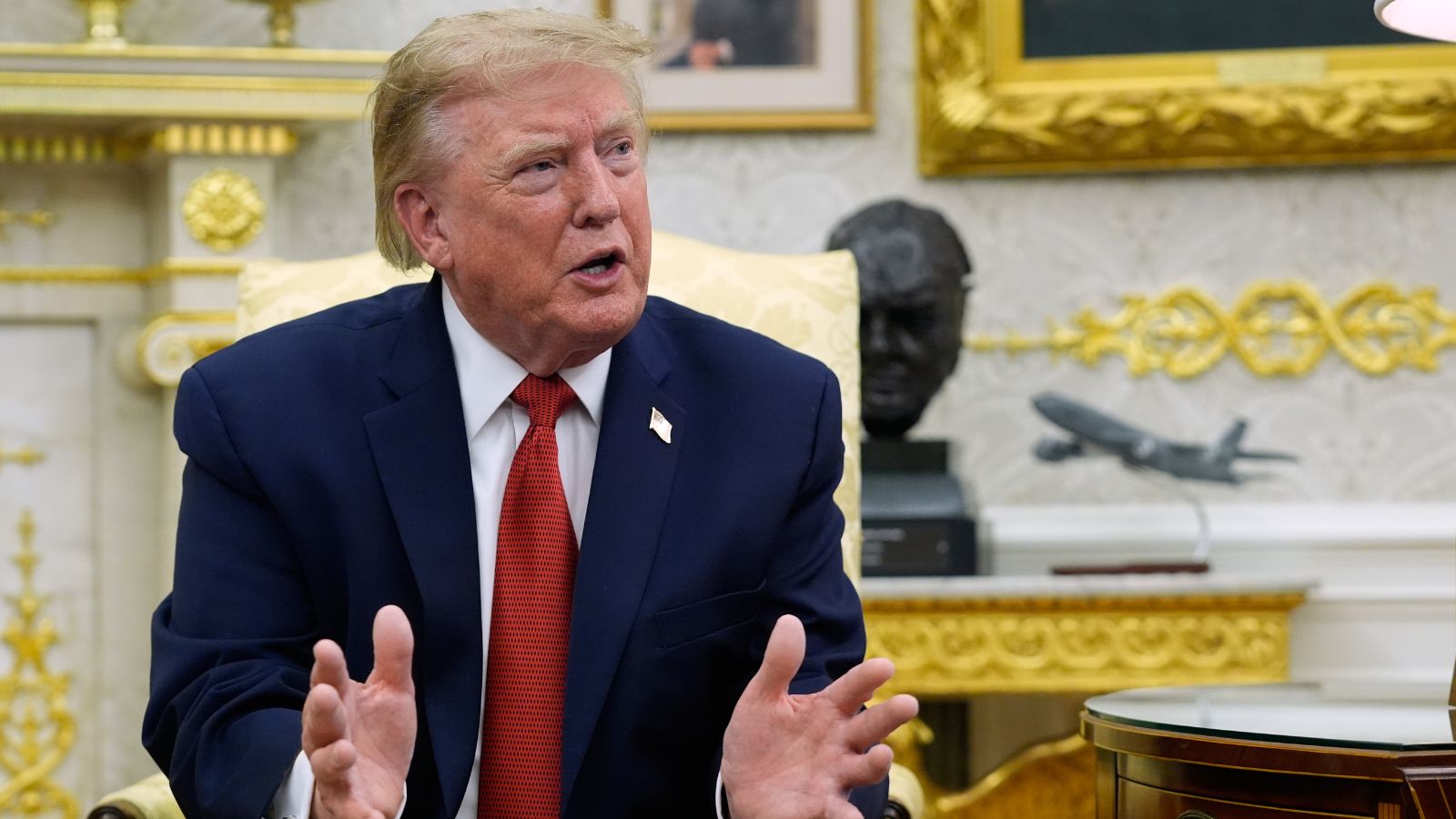
United States President Donald Trump has once again intensified his campaign for the SAVE America Act, utilizing the electoral framework of India as a primary example of efficiency and security. In a recent communication via Truth Social, the President revealed a conversation with India's Chief Election Commissioner, Gyanesh Kumar, who reportedly questioned how the United States could conduct national elections without a mandatory photo identification system.
Trump emphasized the scale of India's democratic exercise, noting that the most recent elections involved approximately 646 million voters. He pointed out a stark contrast in voting methods, claiming that less than 1% of Indian voters utilized mail-in ballots, whereas every single voter was required to present a valid photo identity document to cast their vote.
BozokMedia analysis shows that by citing a global giant like India, Trump is attempting to frame the SAVE America Act not as a partisan maneuver, but as a move toward international best practices. This strategy aims to neutralize critics who argue that strict ID laws disenfranchise voters, by pointing to a successful, large-scale implementation in a diverse democracy.
The invocation of India's electoral integrity serves as a powerful rhetorical tool to challenge the current US status quo on voter eligibility.
The SAVE America Act (Safeguard American Voter Eligibility Act) remains a flashpoint in Washington. While Trump argues the bill is essential to eliminate election fraud and ensure only citizens vote, Democratic lawmakers often view such requirements as barriers to voting. The political deadlock is evident, as the Senate recently entered a five-week recess without making significant progress on the legislation.
Historically, the US has a fragmented approach to voter ID, with some states requiring strict photo identification and others allowing signature matching or non-photo IDs. This inconsistency has led to decades of legal battles over the balance between election security and voter access.
| Feature | India's System (Cited by Trump) | Current US System (Variable) |
|---|---|---|
| Photo ID Requirement | Mandatory for all | Varies by State |
| Mail-in Voting | Very Low (<1%) | High/Increasing |
| Voter Scale | 646 Million | Approx. 160-200 Million |
What is the SAVE America Act?
It is proposed legislation that seeks to implement stricter voter identification and citizenship verification requirements for individuals registering to vote in US federal elections.
Why did Donald Trump mention India?
Trump used India's mandatory photo ID system and high voter turnout as evidence that strict identification does not hinder large-scale democratic participation.